Tier 3 — Mill
This is the tier most reconstruction plans skip, and it is the one that actually decides whether you plateau. Steam without precision boring is a bomb. Chemistry without glassware is guesswork. Everything above depends on the machine tools built here.
3
Mill
Put something other than muscle to work, and start making machines that make machines.
Energy used: about 26,000 kcal per person per day, Cook's advanced agricultural stage (AD 1400) · where civilization stands
Binding constraint. The binding constraint is precision. A water wheel is easy; a water wheel driving a lathe that cuts a true cylinder is not. You cannot make a tool more accurate than the tool that made it — except through a handful of self-referential tricks, and until you know them you are stuck at the accuracy of your hands.
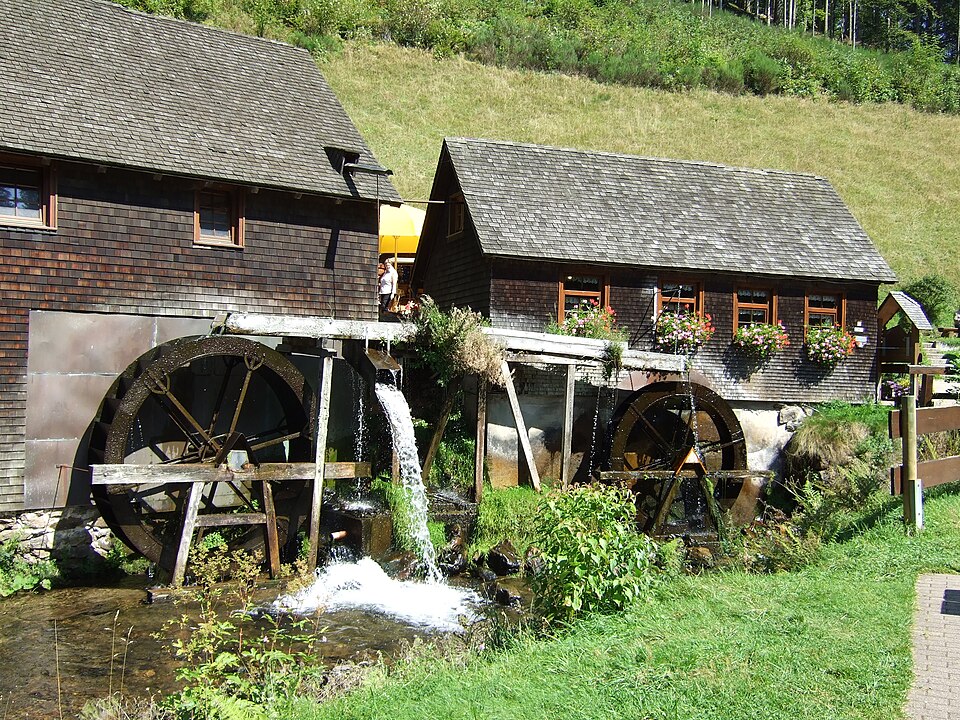
t3-waterpower
Get a source of continuous power that is not a muscle.
Energy
Guide ×4BuildSheet ×21
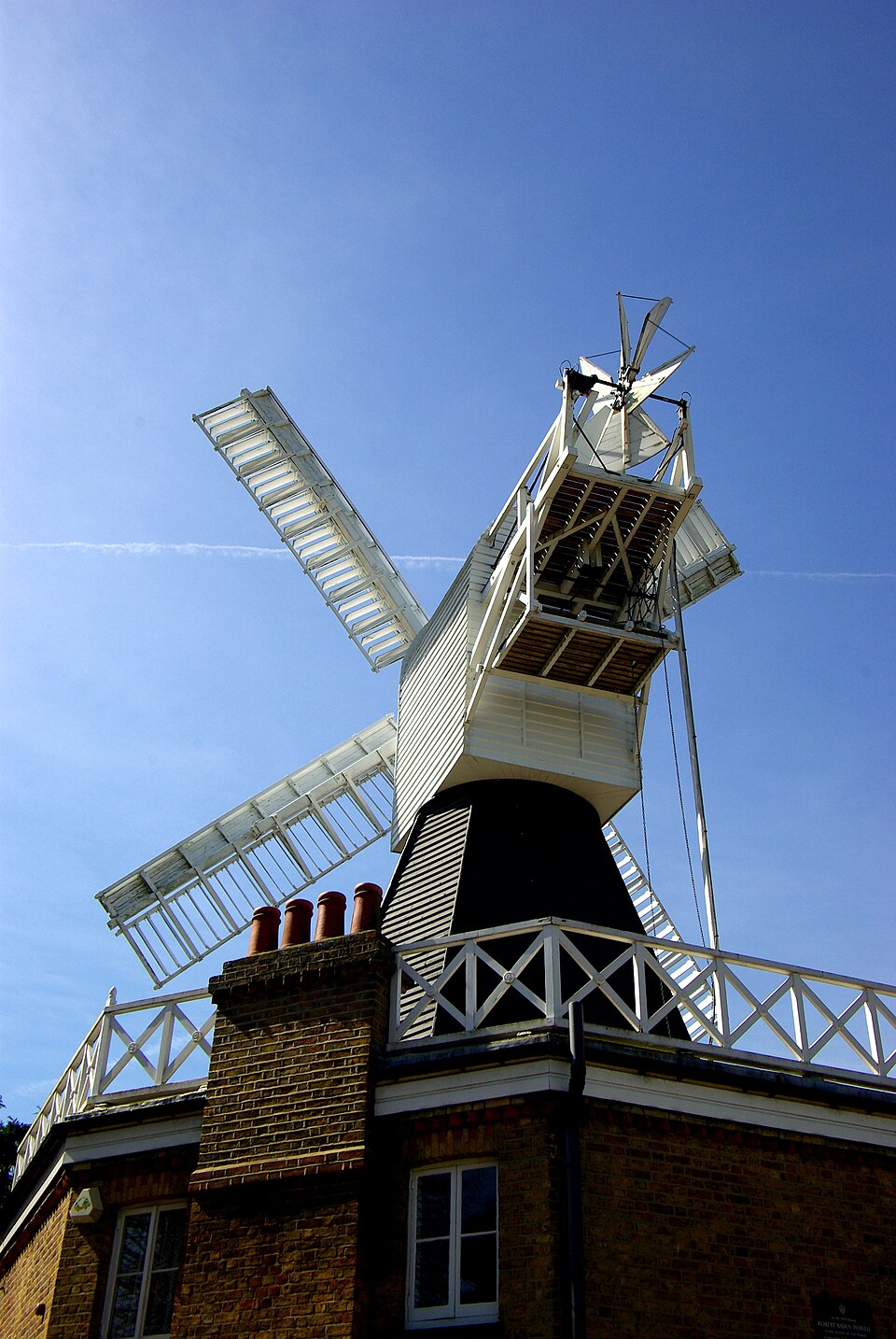
t3-windpower
Get continuous power where there is no falling water — which is most places.
Energy
Guide ×2BuildSheet ×23
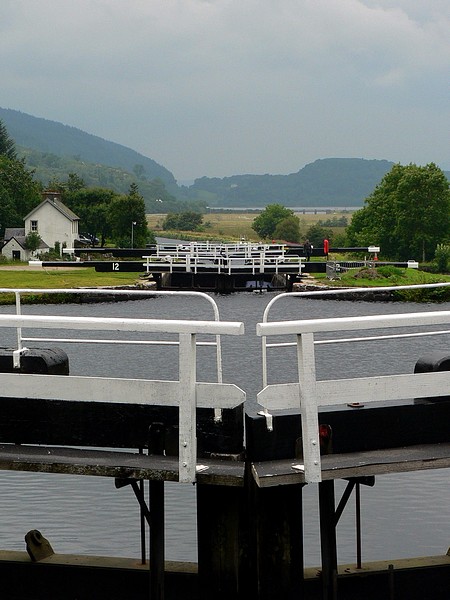
t3-canals
Carry bulk goods by water where no river goes, and lift boats over hills.
Transport
Guide ×2Sheet ×7
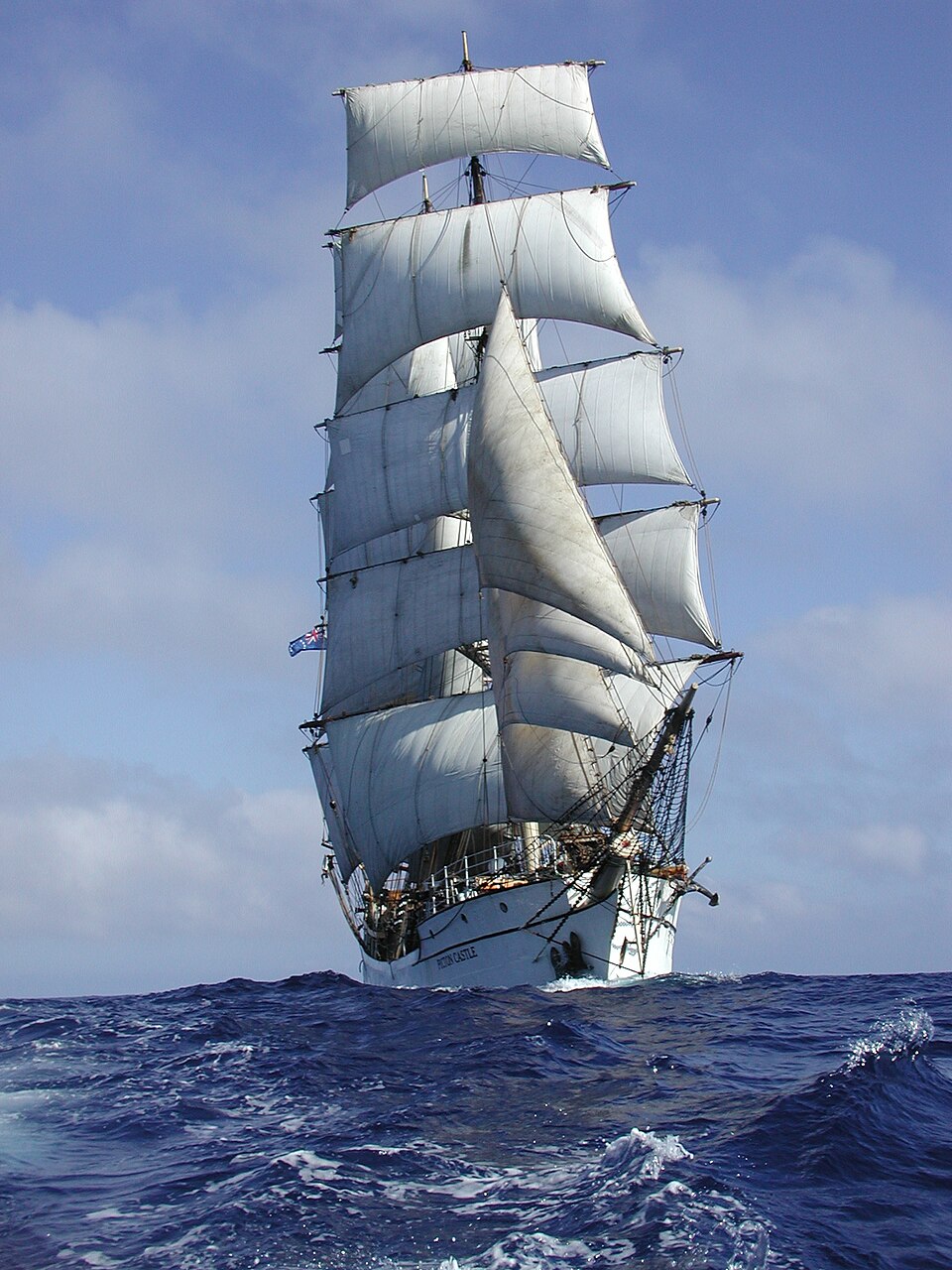
t3-ships
Build and sail decked ships that cross open sea with cargo and crew, without capsizing, sinking or losing the crew to scurvy.
Transport
Guide ×2Sheet ×7
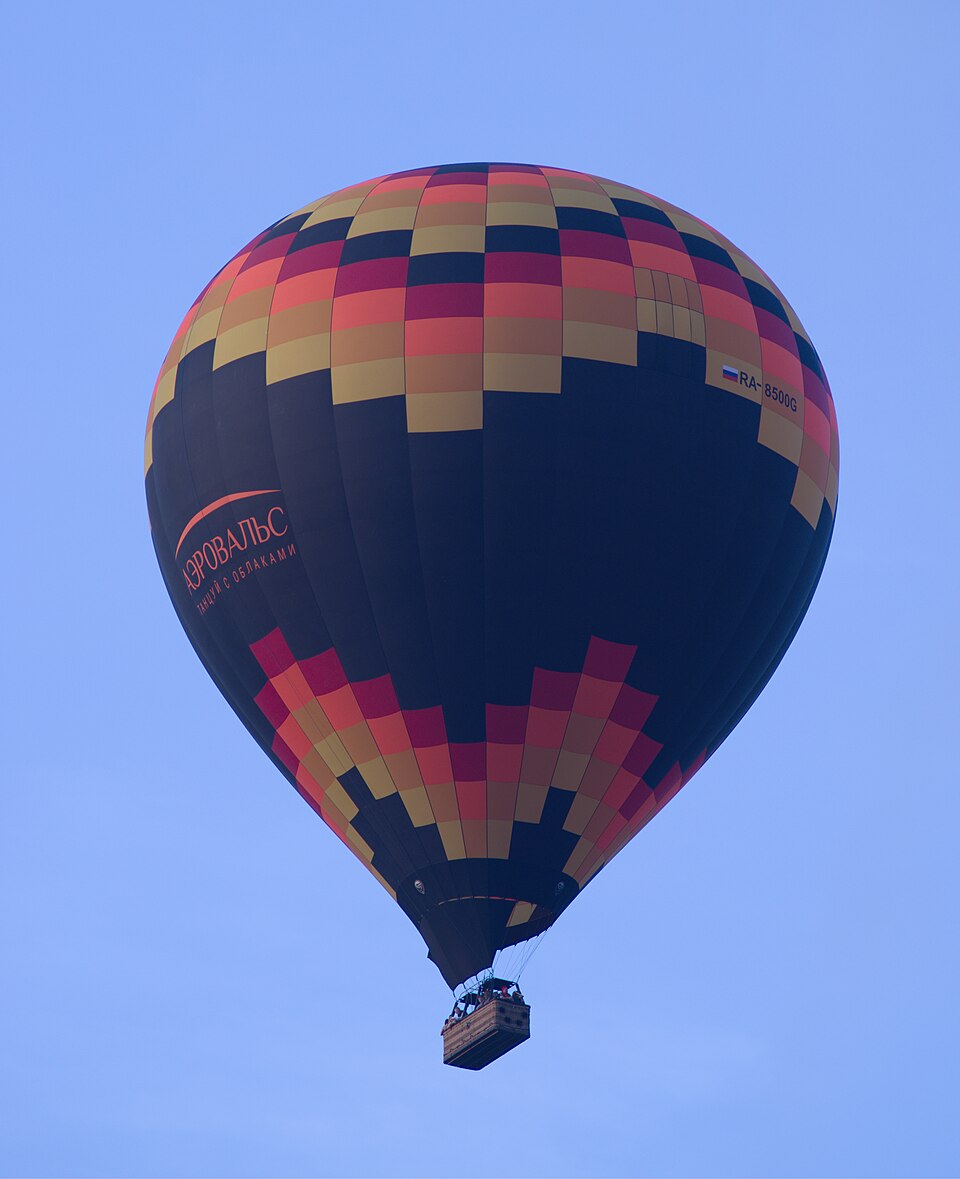
t3-balloons
Lift a load with heated air or a light gas, tether it for observation or signals, and know exactly how much it can carry and what makes it burn.
Transport
GuideBuildSheet ×5
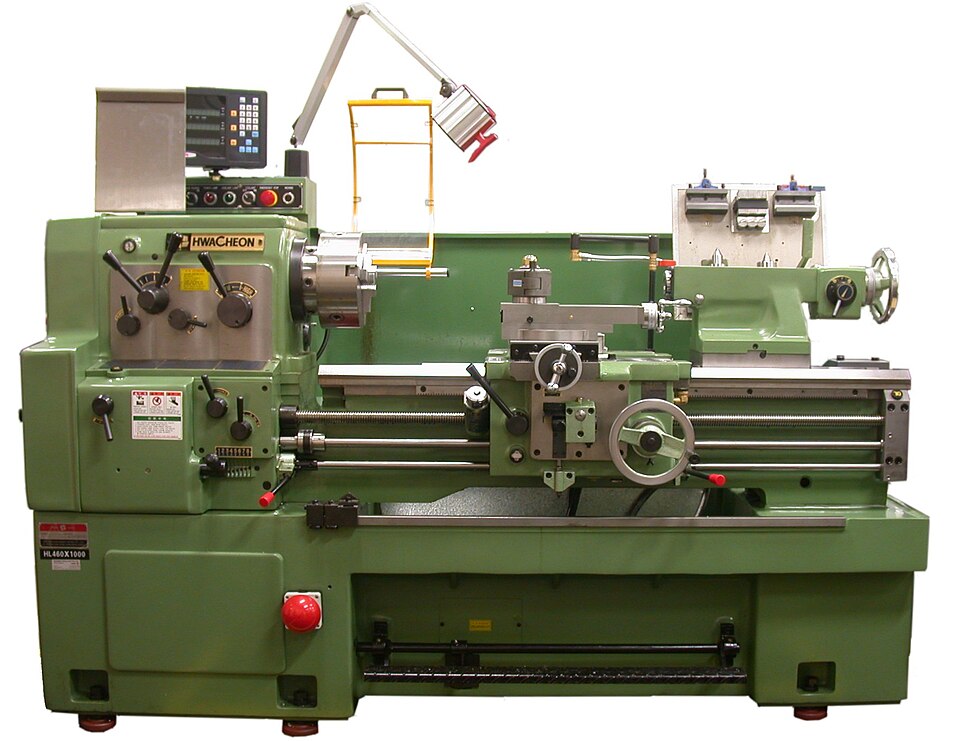
t3-machinetools
Build machines that make machines — and break the accuracy ceiling.
Tools
Guide ×3Build ×3
0.1 mm → 0.01 mm
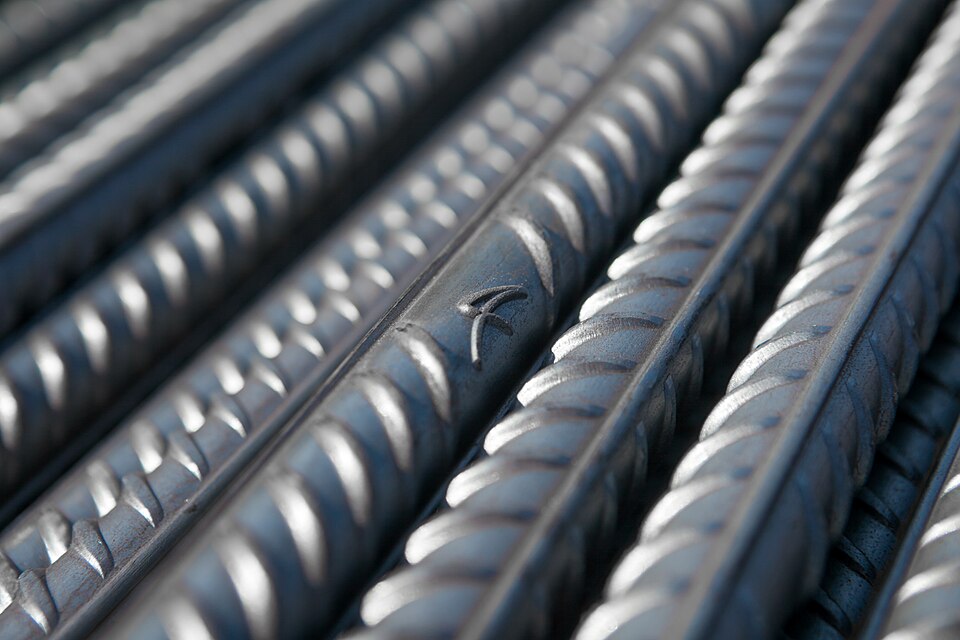
t3-steel
Make metal hard enough to cut other metal.
Materials
Guide ×2Build
900–1,100 °C
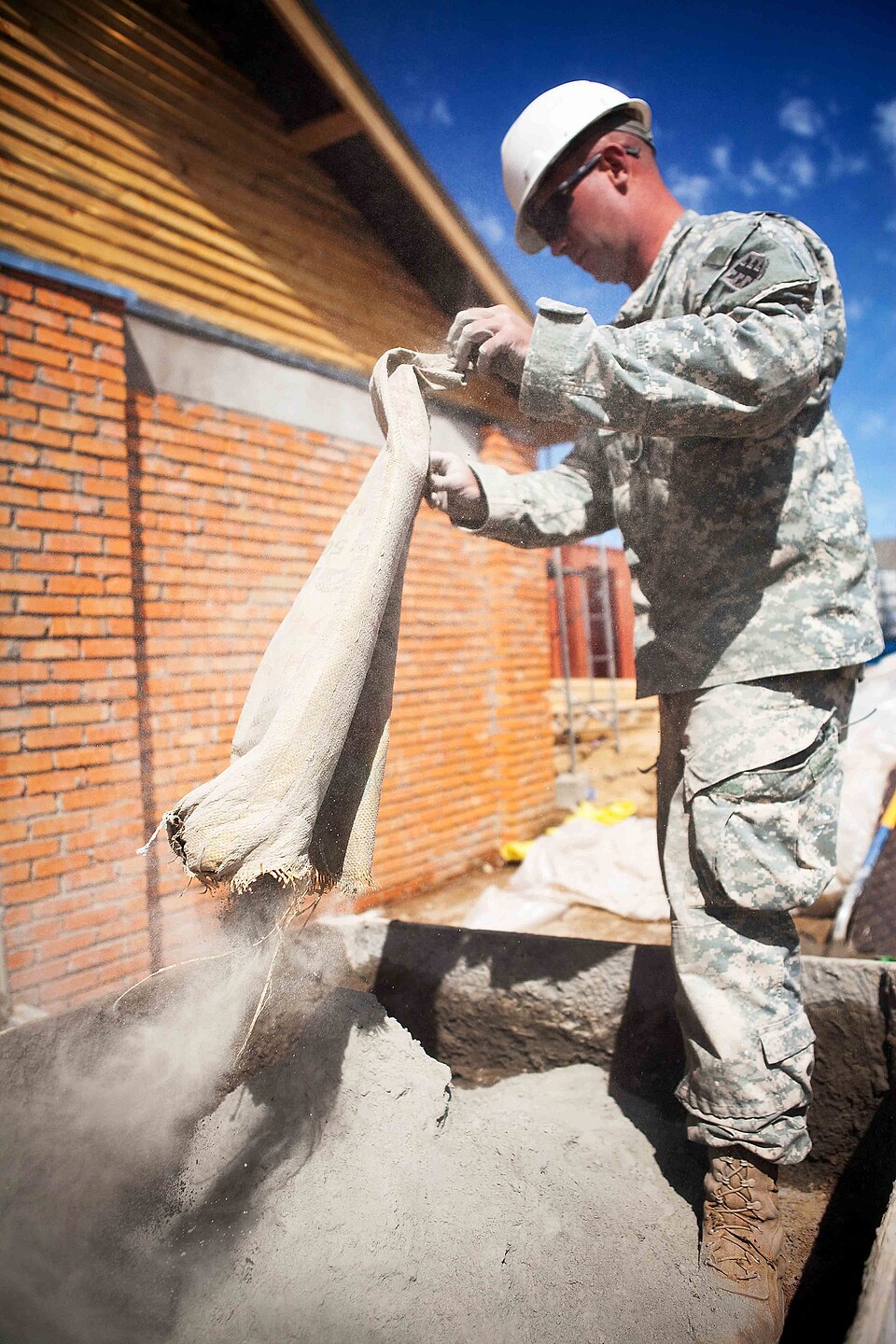
t3-cement
Make artificial stone you can pour into any shape.
Materials
Guide ×4BuildSheet ×10
1,400–1,450 °C
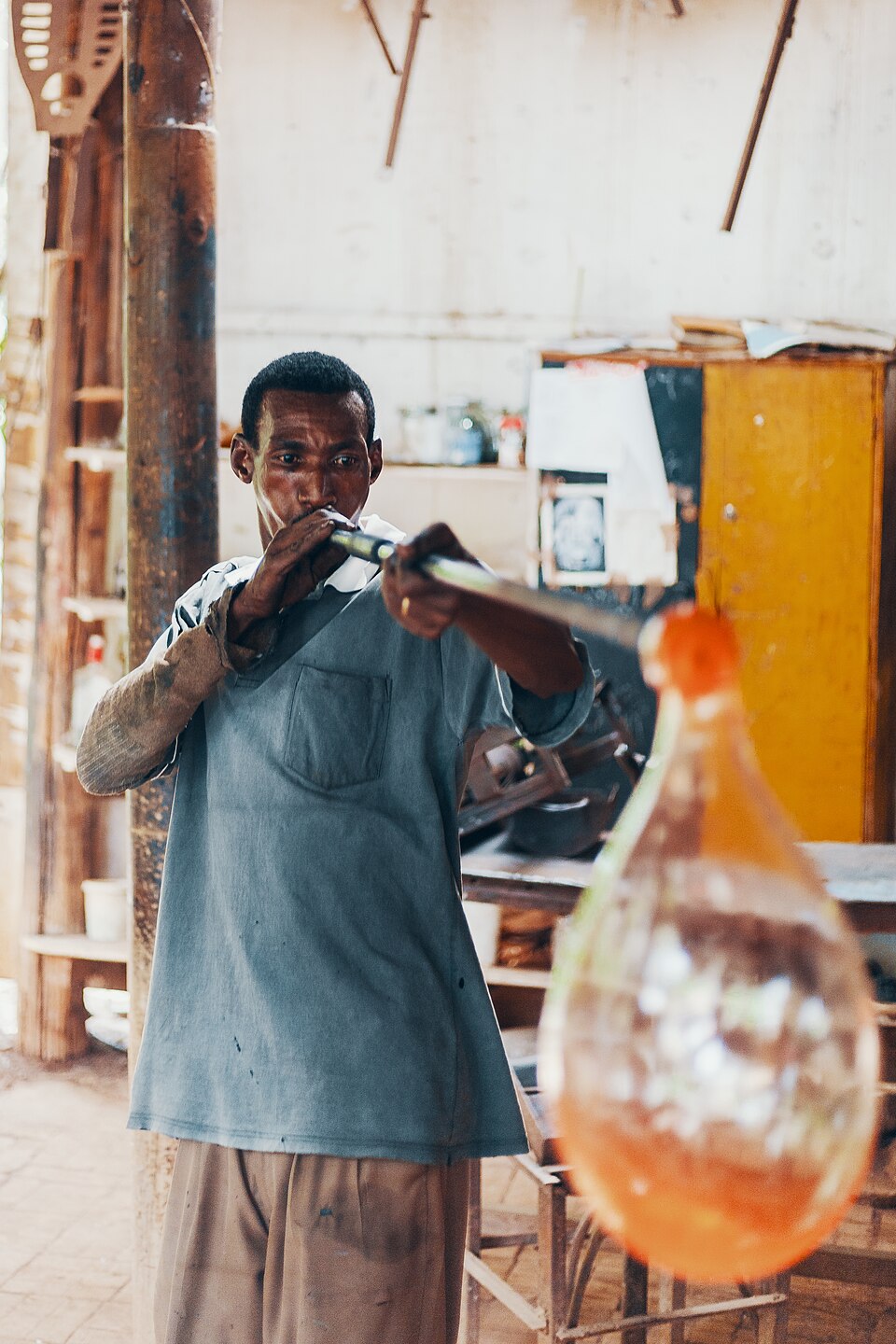
t3-glass
Make a transparent, chemically inert, formable solid.
Materials
Guide ×2Build ×2
1,100–1,500 °C
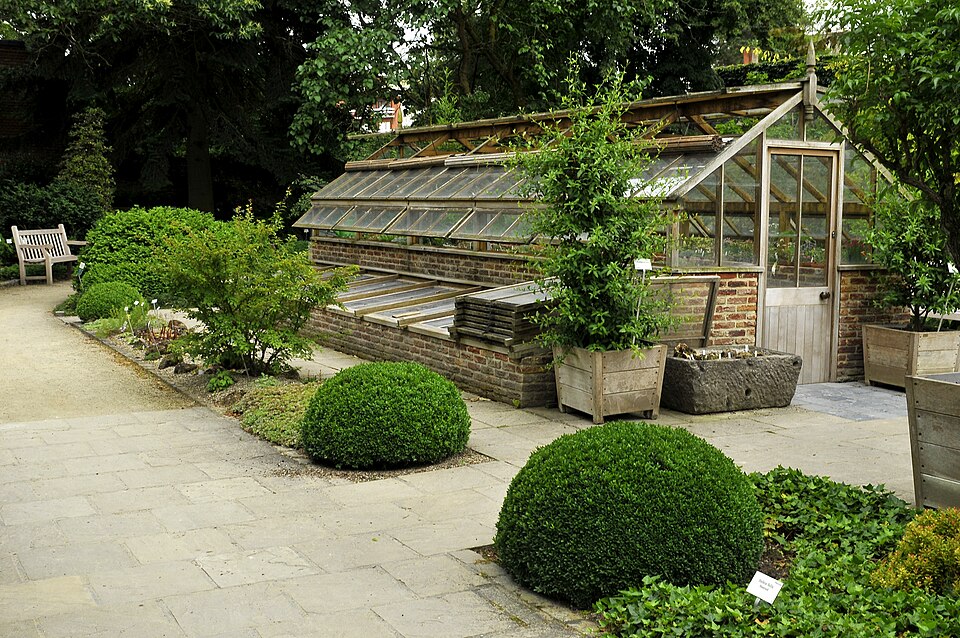
t3-glasshouse
Raise transplants before the last frost and keep tender crops growing after the first, under glass warmed by the sun, by rotting manure and by a wall that holds the day's heat.
Food
GuideBuild
Sow at 24 °C in the hotbed soil
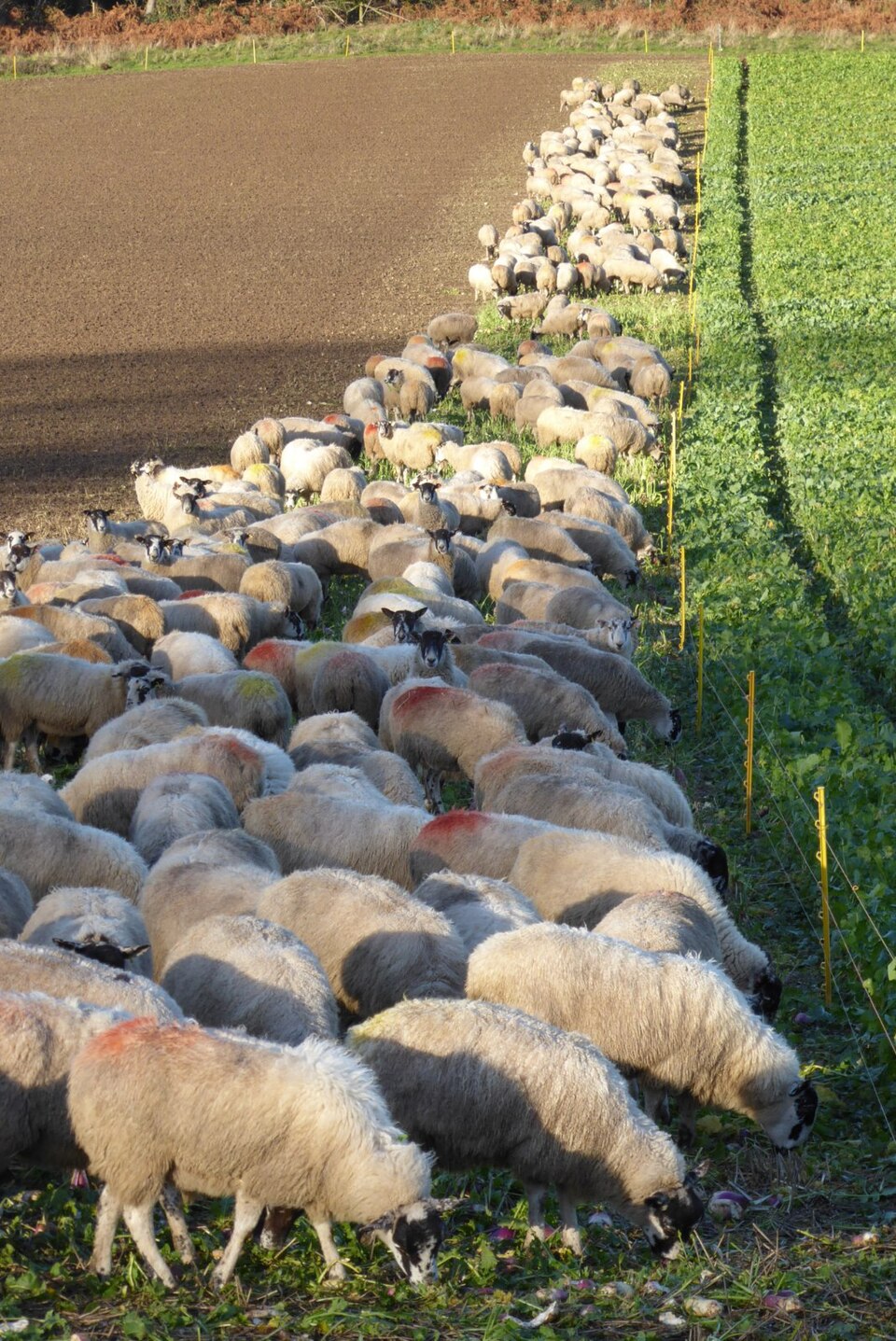
t3-rotation
Run the fields as one system: a rotation whose fodder crops feed the stock and whose manure feeds the grain, wet land underdrained so it can be worked and sown, and grain drilled in rows at a known rate and depth so it can be counted and hoed.
Food
GuideSheet
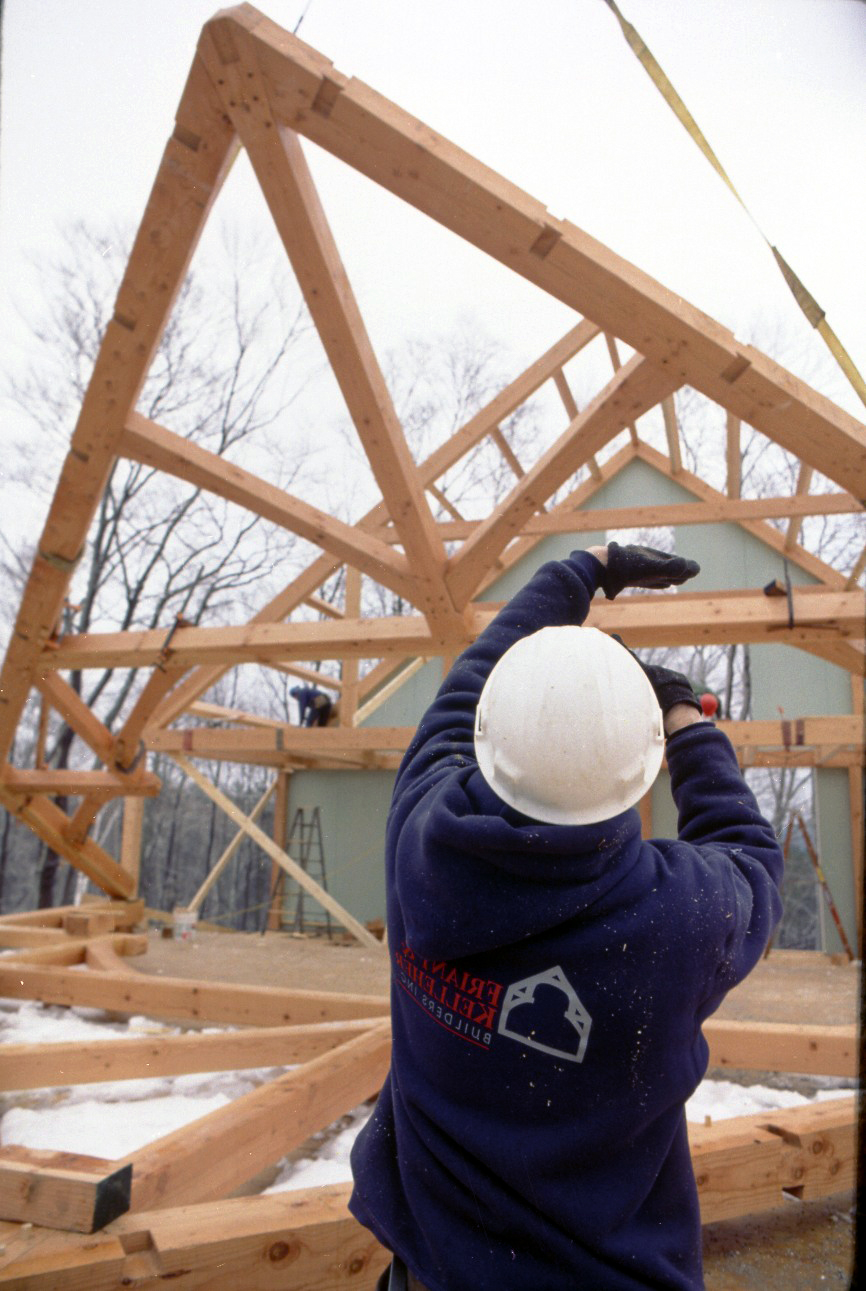
t3-frame
Frame a building in timber on a masonry plinth, brace it so it cannot rack, glaze its windows, and keep it dry, warm and ventilated.
Shelter
Guide ×4Sheet ×10
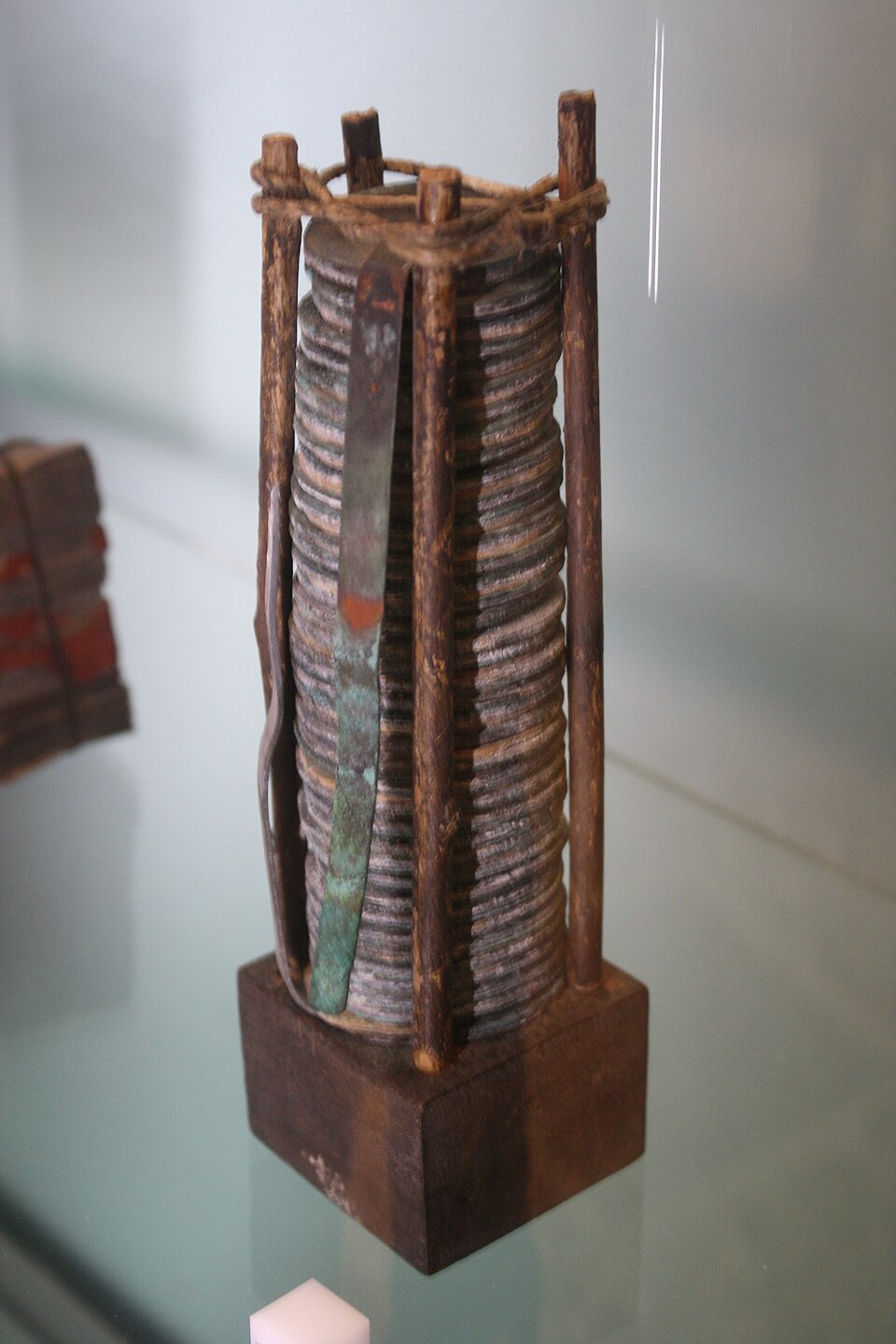
t3-battery
Make a steady electric current from chemicals — for the telegraph, plating and electrolysis — before there is any generator.
Energy
Guide
Zinc boils at 907 °C; distil it at 1,100–1,200 °C

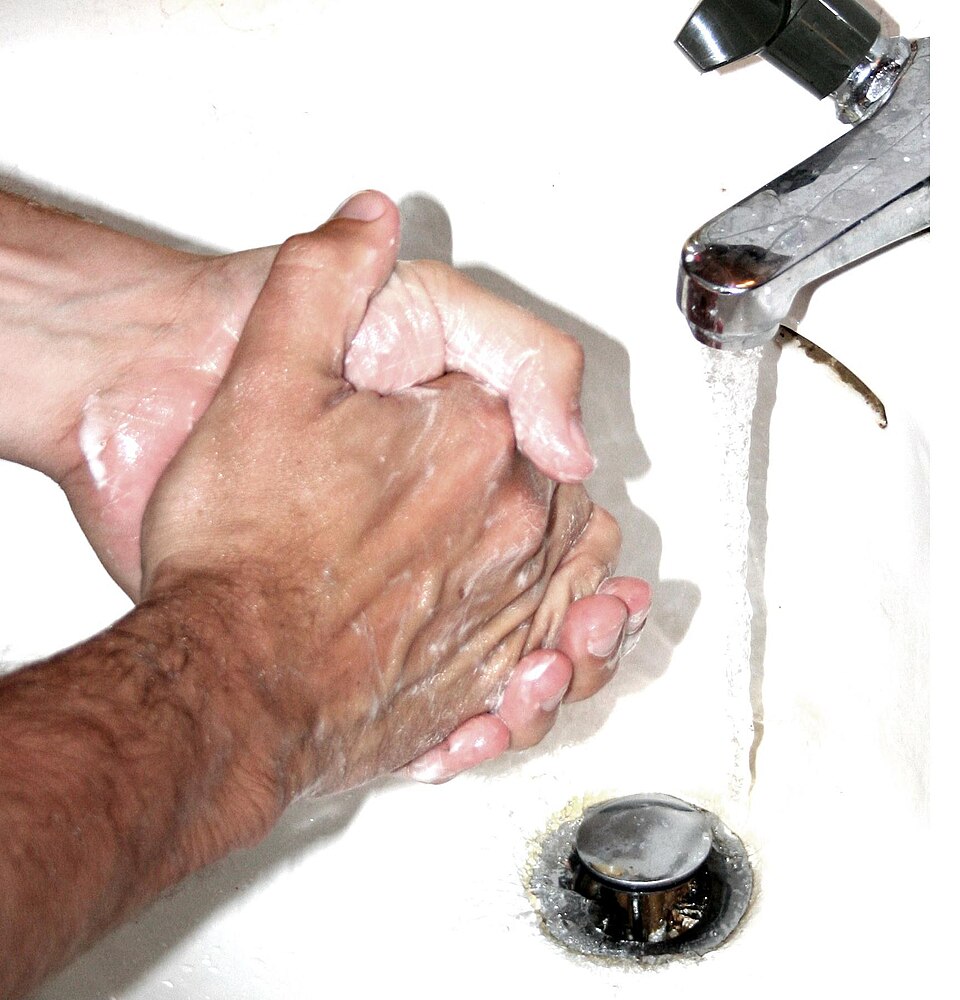
t3-germ
Establish that disease is caused by organisms — and act on it.
Health
Guide ×6Build
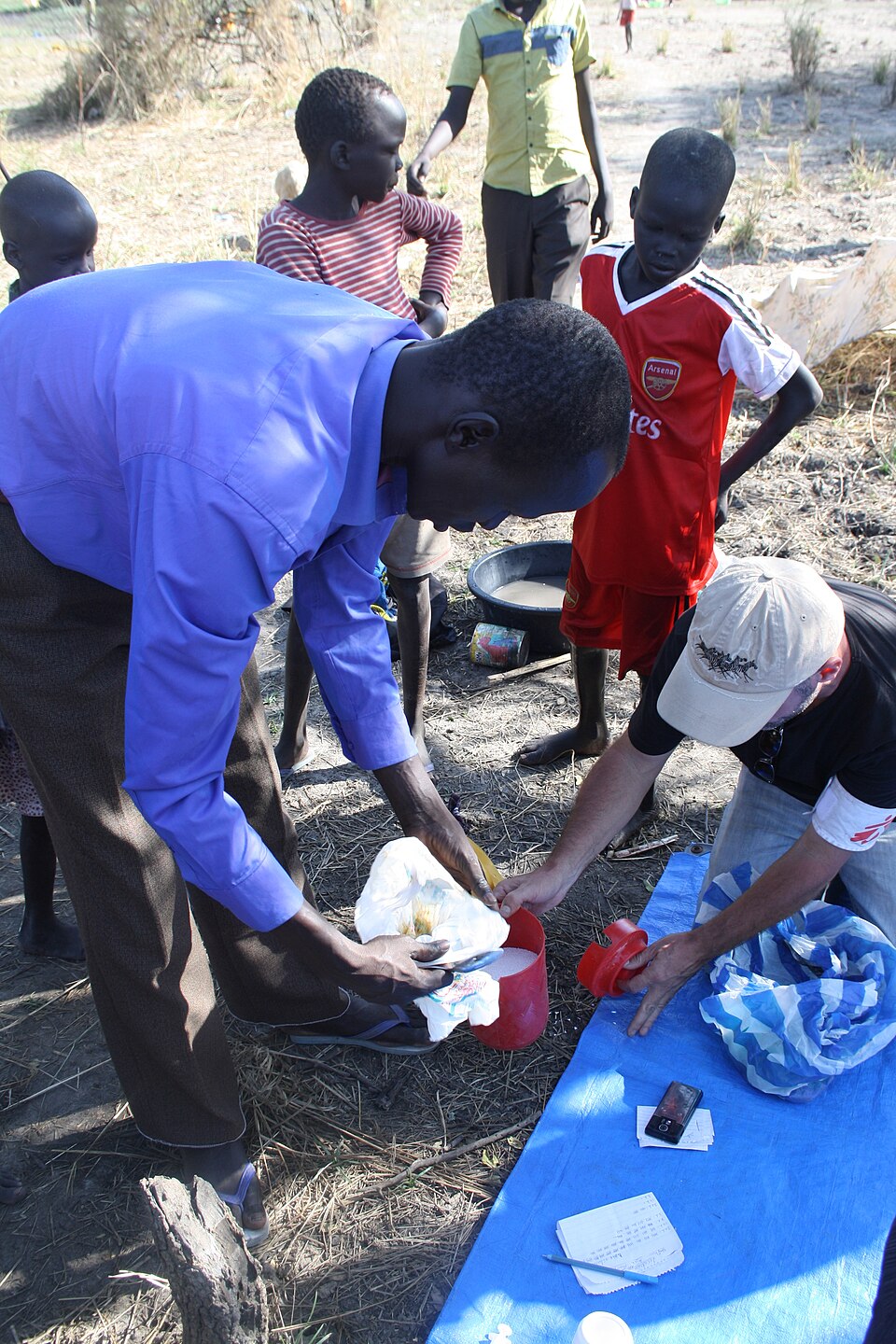
t3-chlorine
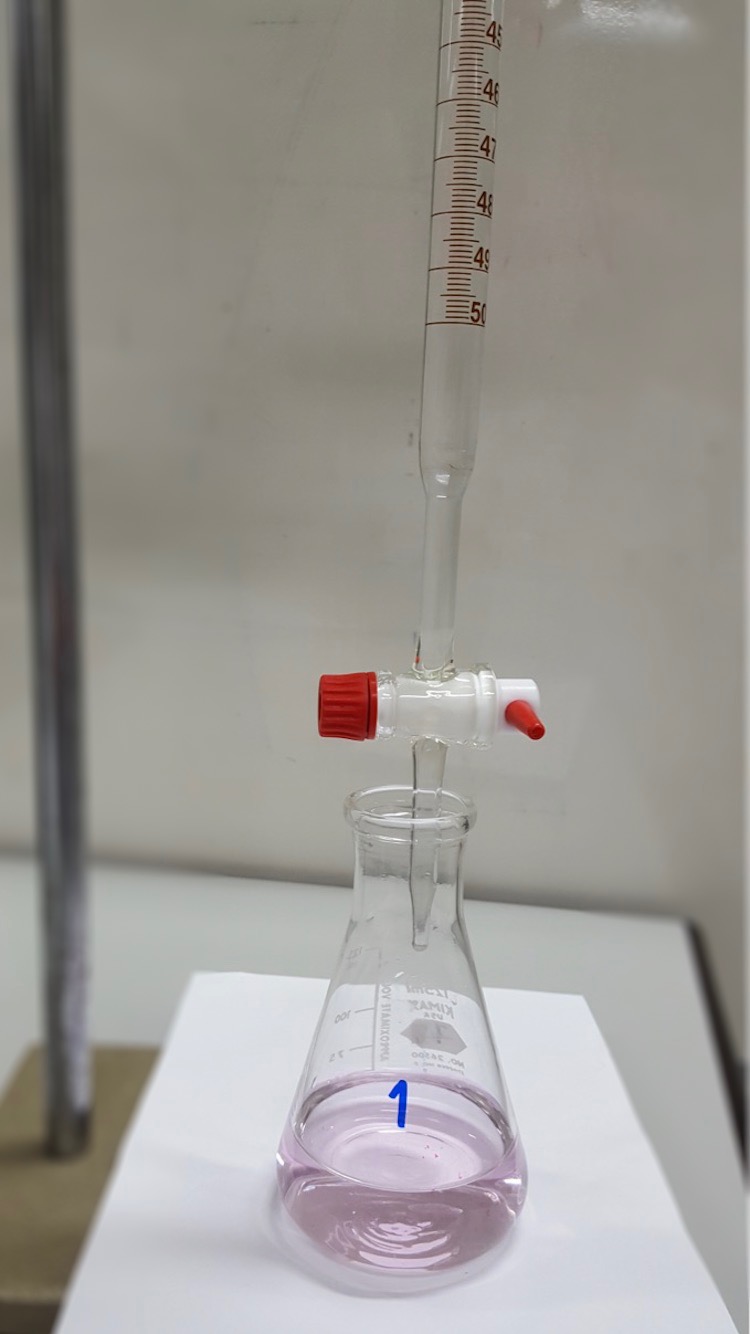
Make sodium hypochlorite from salt, water and direct current, measure its strength, and dose drinking water so that 0.2–0.5 mg/L of free chlorine remains 30 minutes later.
Water
Guide ×2Sheet
Brine 20–27 °C at the start; keep the cell below 35 °C
Free chlorine 0.2–0.5 mg/L at the collection point, 30 minutes after dosing
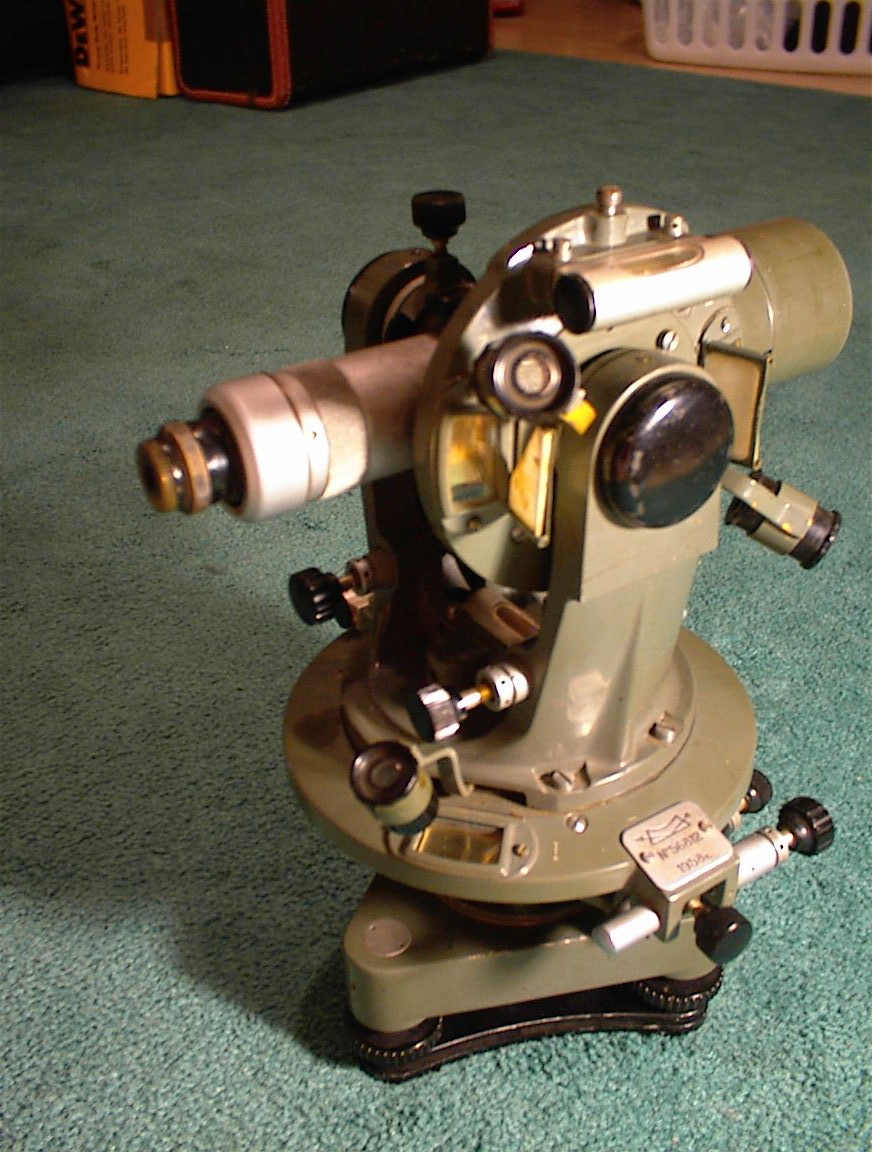
t3-instruments
Turn observation into numbers.
Knowledge
Guide ×5Build ×2
Repeatable to 1%
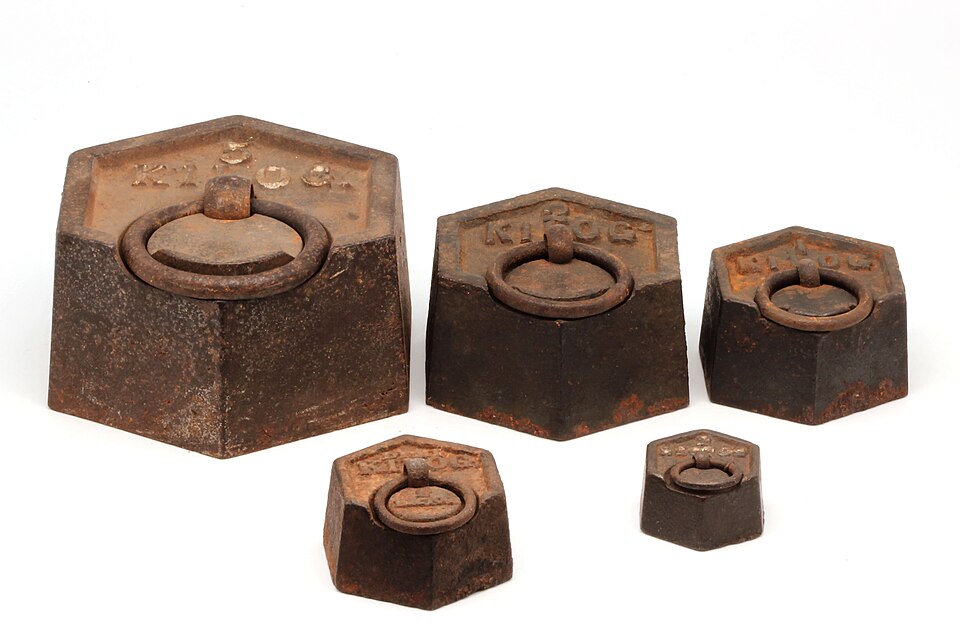
t3-units
Fix the units, hold the standards, and make every measurement comparable to every other.
Knowledge
Guide ×4
t3-method
Establish how you decide whether something is actually true.
Knowledge
Guide
t3-ledger
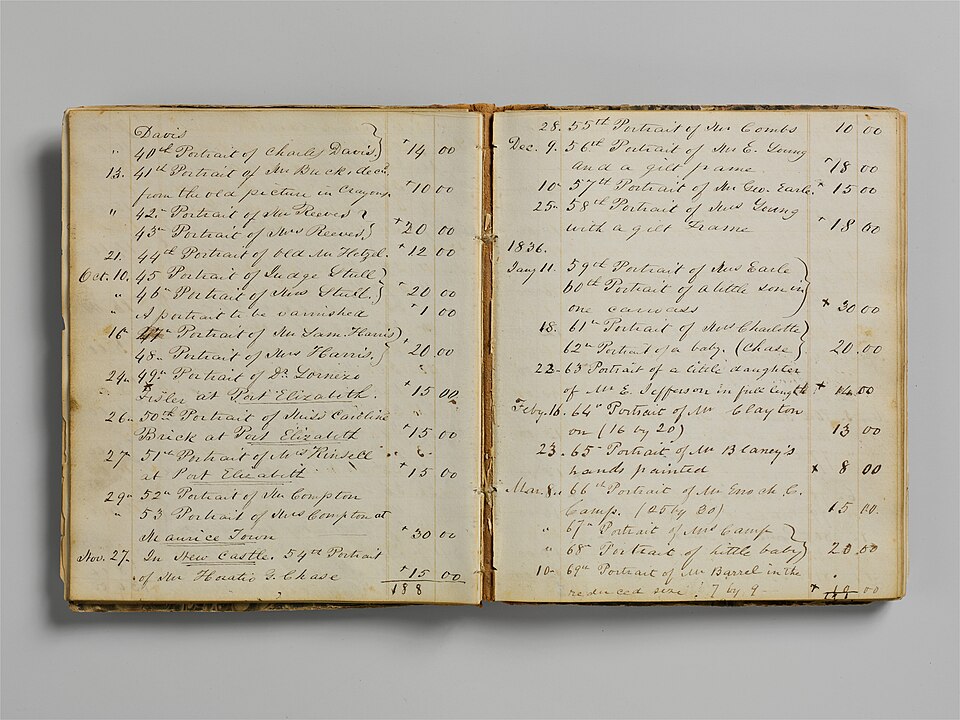
Keep accounts a stranger can check.
Economy
Guide ×2
t3-coin
Strike coins of a weight, fineness and size fixed in law, at one mint working under seal, and prove every year, in public, that they meet the standard.
Economy
Guide
Every coin within the weight, size and fineness limits the law sets, shown by the yearly public trial
t3-contract
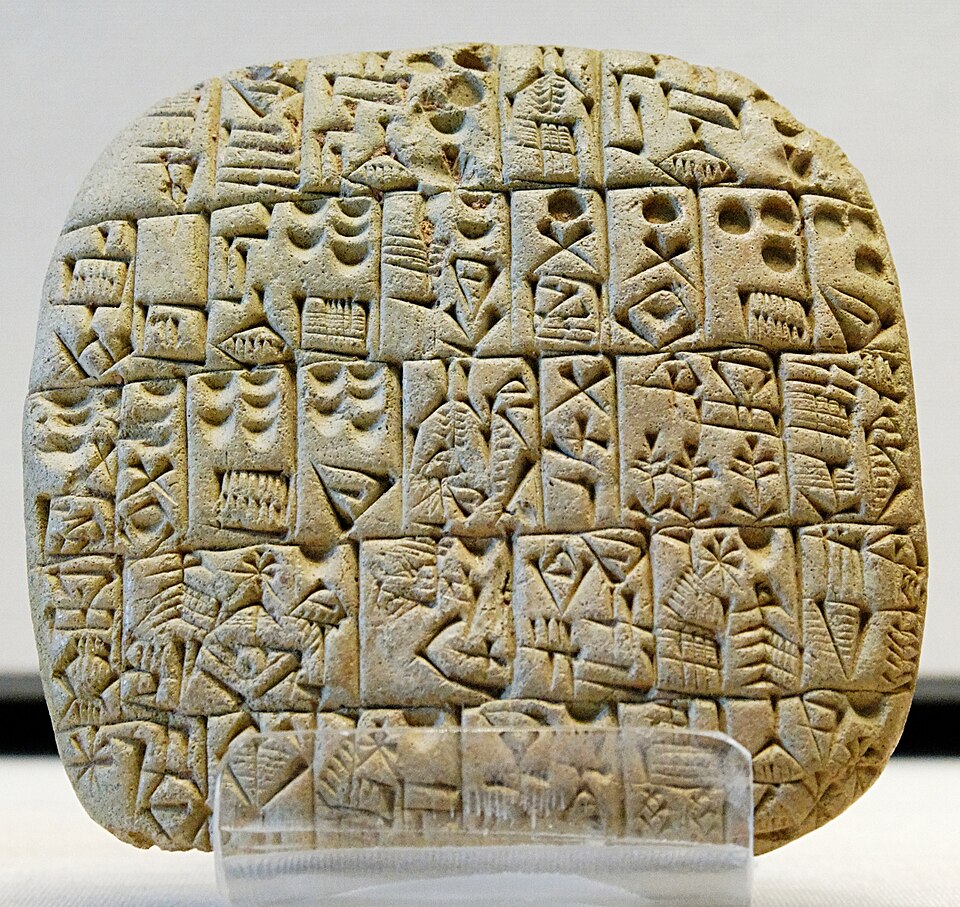
Make a promise between strangers as reliable as one between kin, by writing it down and having a court enforce it quickly and cheaply.
Society
Guide
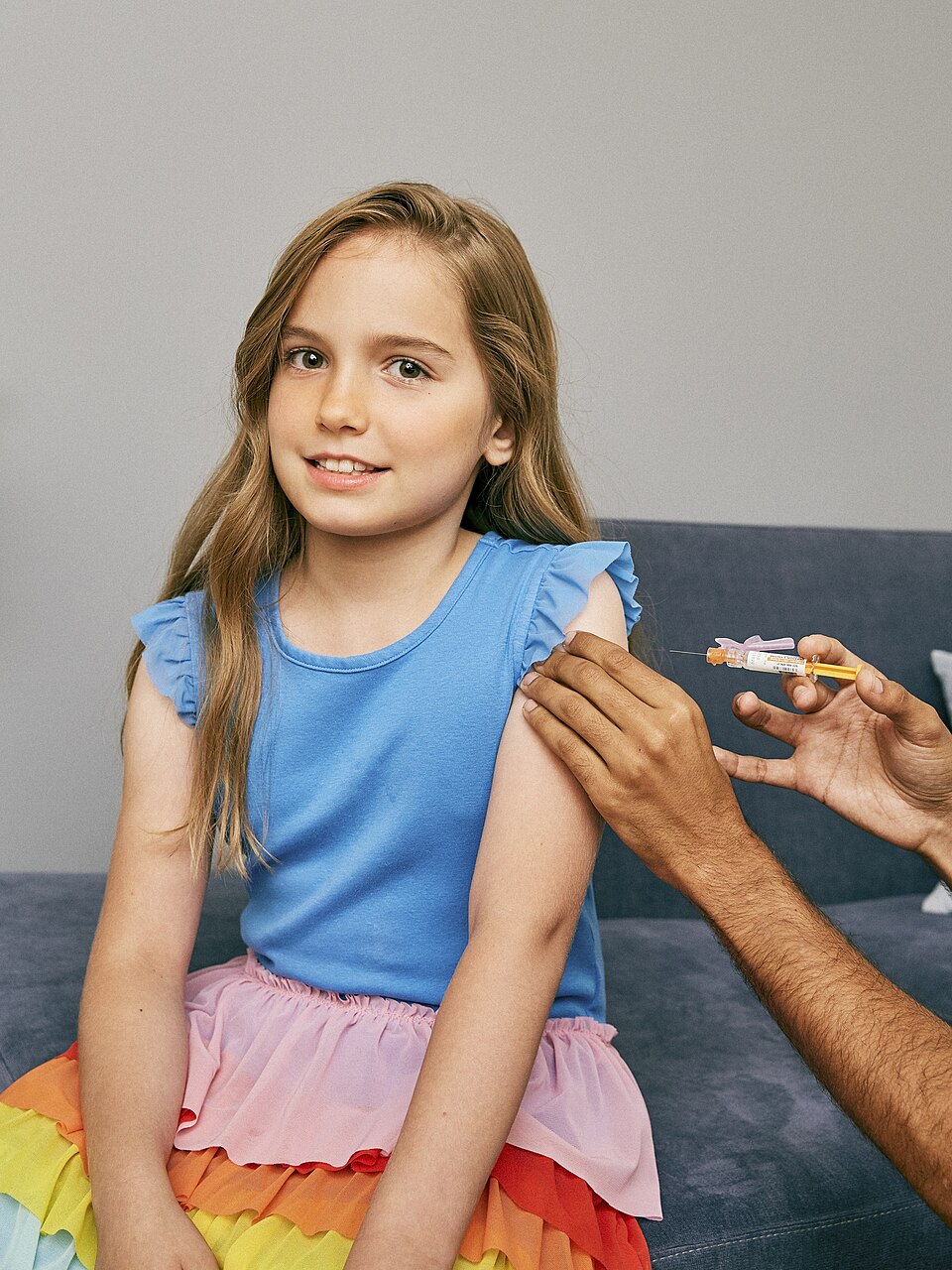
t3-publichealth
Give someone the standing, the information and the power to act on disease before it spreads.
Society
Guide ×5
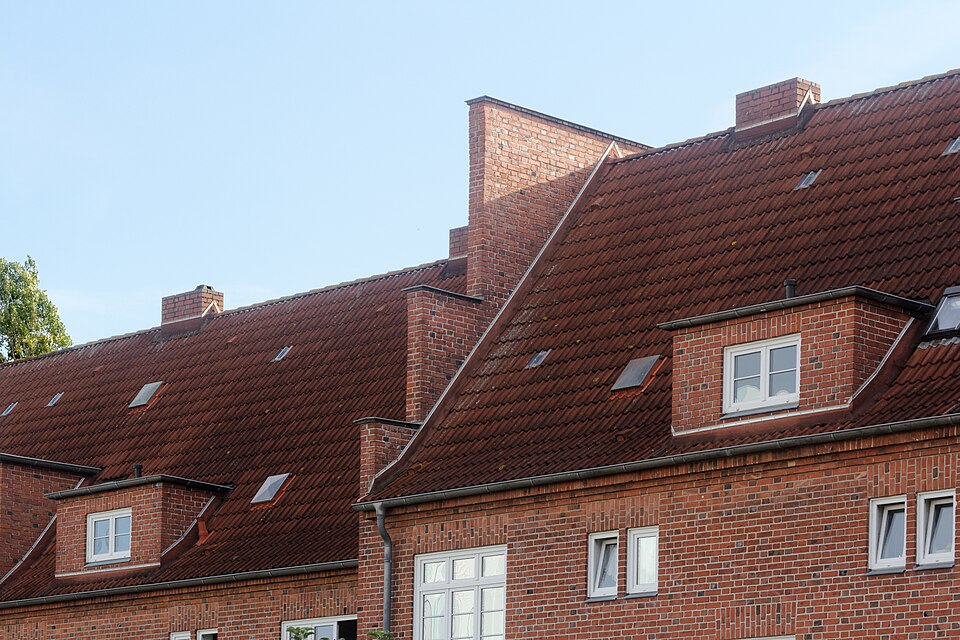
t3-fire
Write and enforce a building code that stops a fire in one building from reaching the next, gets everyone out of the building it starts in, and puts enough water within reach of every building.
Settlements
Guide
Party wall at least 375 mm above the roof; escape window at least 0.33 m² and 450 × 450 mm