Tier 1 — Foothold
This tier is where you become sedentary, which is what makes everything above it possible: you cannot own a kiln, a granary or a library if you have to carry it. It is also where the disease burden inverts — settlement concentrates human waste near human water, and sanitation stops being optional.
1
Foothold
Convert from taking calories out of the landscape to putting them in. Stop moving.
Energy used: about 12,000 kcal per person per day, Cook's primitive agricultural stage (5000 BC) · where civilization stands
Binding constraint. The binding constraint is the first harvest. Between clearing ground and eating from it there is a gap of six to eighteen months during which the group is still living on foraged food while spending its labour on something that pays nothing yet. Groups fail here by planting too late, planting too little, or eating the seed stock in the hungry month before harvest.
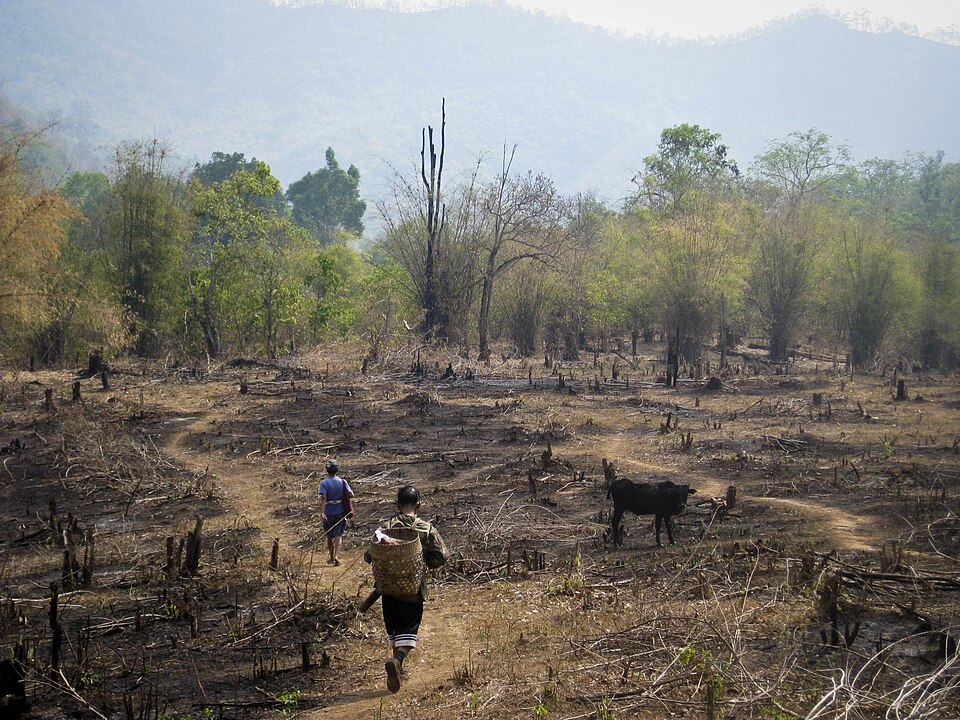
t1-clear
Turn wild land into a field that does not lose its fertility in five years.
Food
Guide ×5BuildSheet
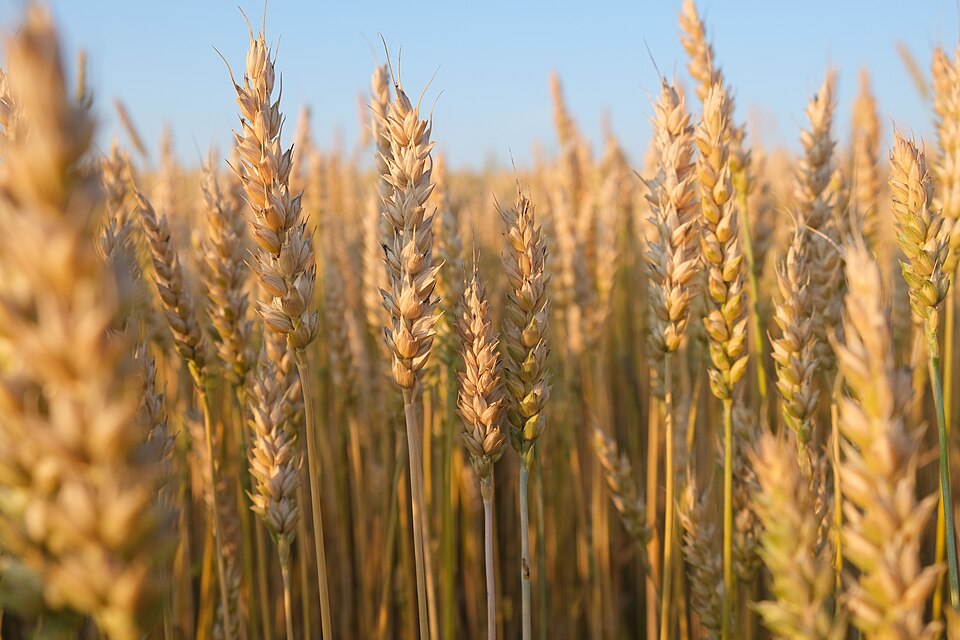
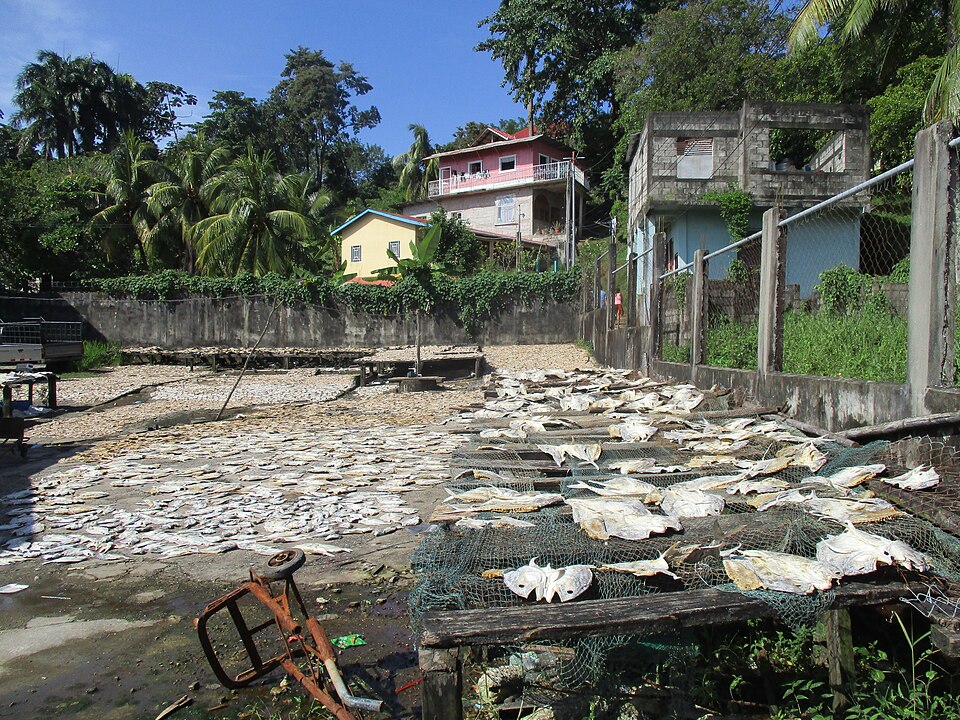
t1-preserve
Still be eating in March what you grew in August.
Food
Guide ×4Build ×2Sheet ×4
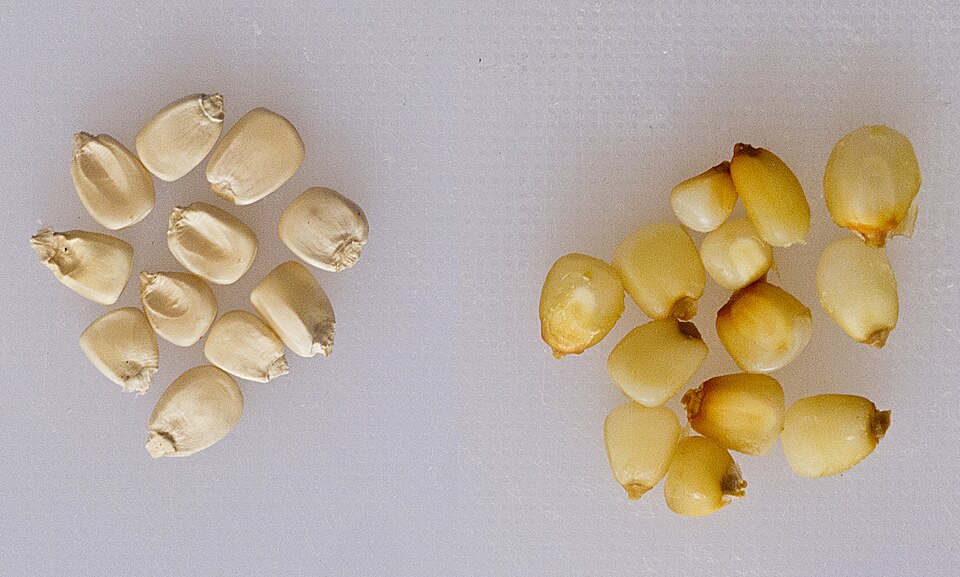
t1-nutrition
Keep a farming group from sickening on its own staple.
Health
Guide ×2
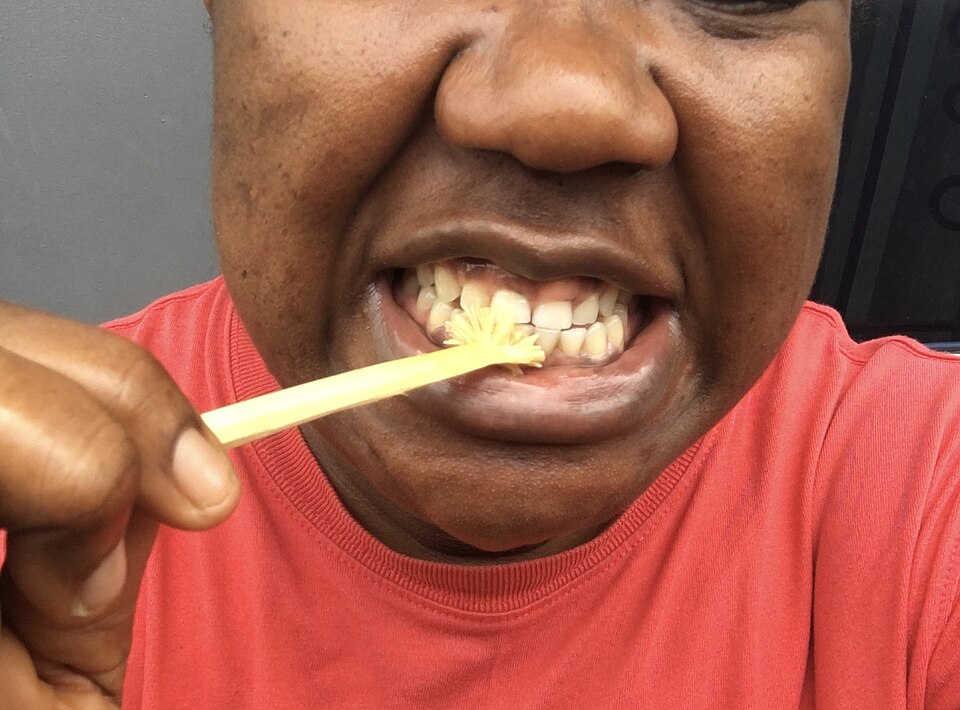
t1-teeth
Keep teeth through a starch-heavy diet, and recognise the dental infection that kills.
Health
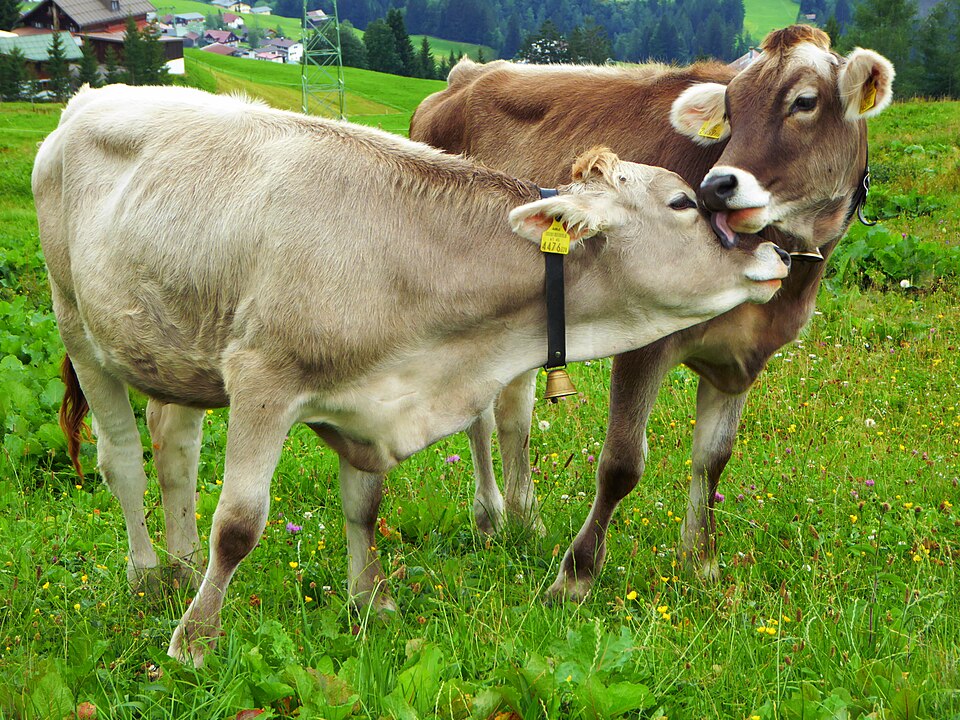
t1-animals
Convert grass you cannot eat into food, fibre, fertiliser and power.
Food
Guide ×3Sheet ×2
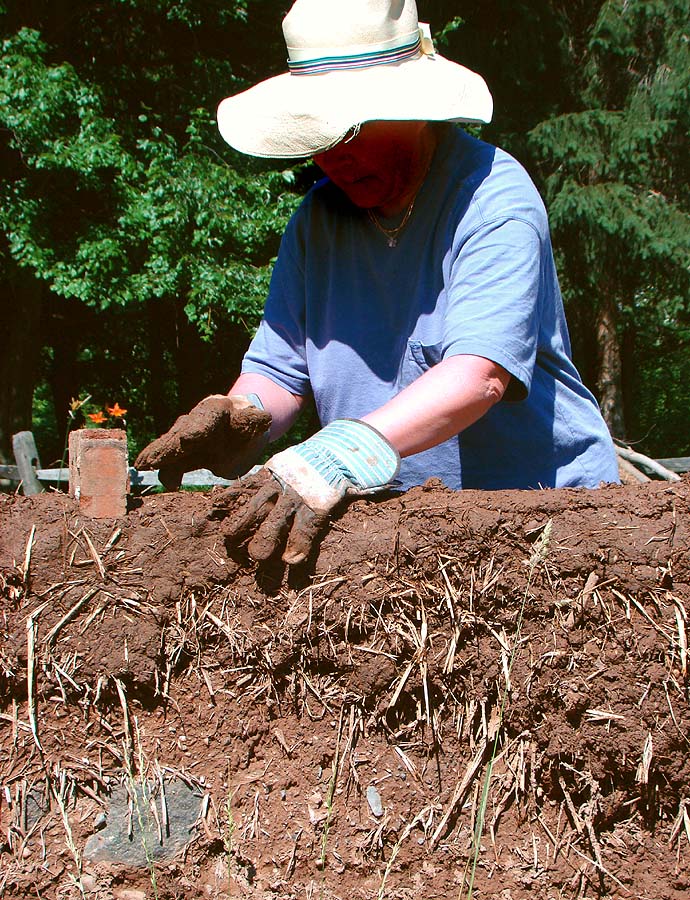
t1-shelter
Build something that lasts thirty years, from what is under your feet.
Shelter
Guide ×3Build ×4Sheet ×11
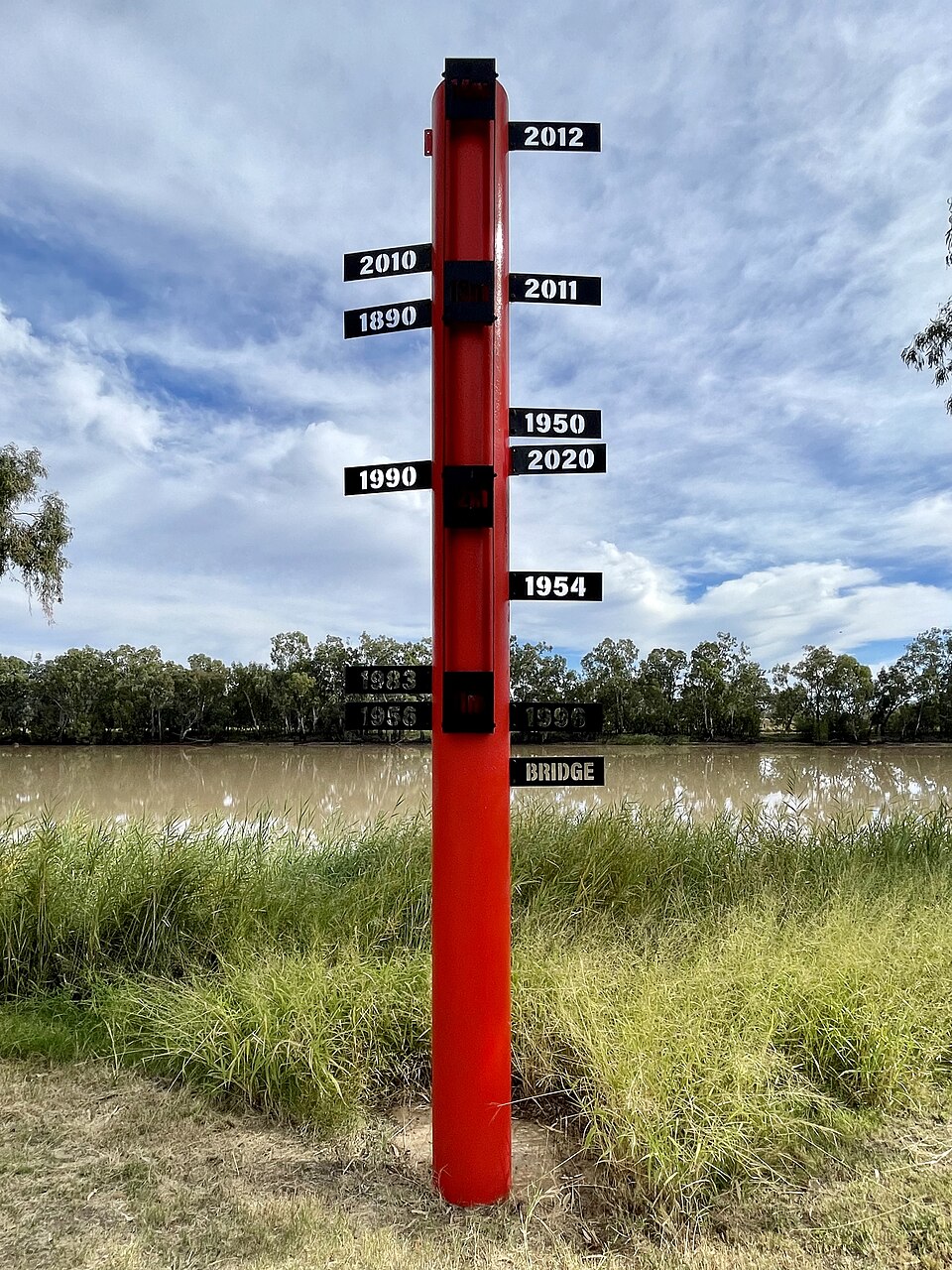
t1-site
Settle where water lasts the dry season, floods cannot reach the floors, the ground drains and the wind carries smoke away.
Settlements
Guide ×2
t1-dwelling
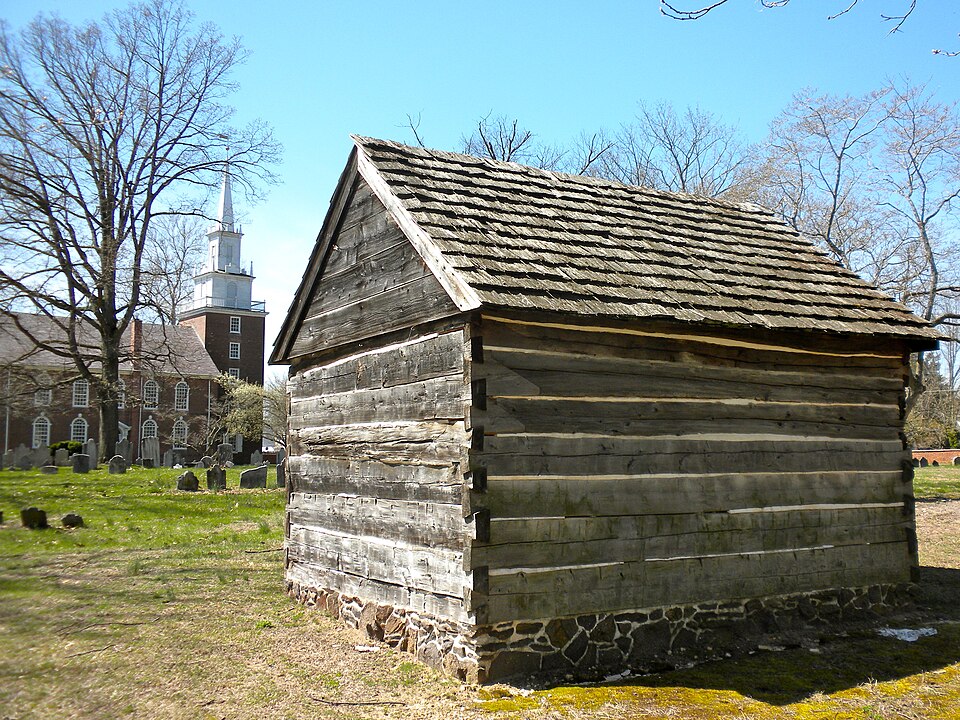
Before the first footing is dug, a plan drawn to scale fixes where the fire and its smoke go, how many people sleep in each room, the wall weight for the climate, the house's turn to the winter sun, the overhang for its latitude, the openings for a through-draught, the floor height, and where the animals and the latrine stand.
Shelter
Guide
t1-pottery
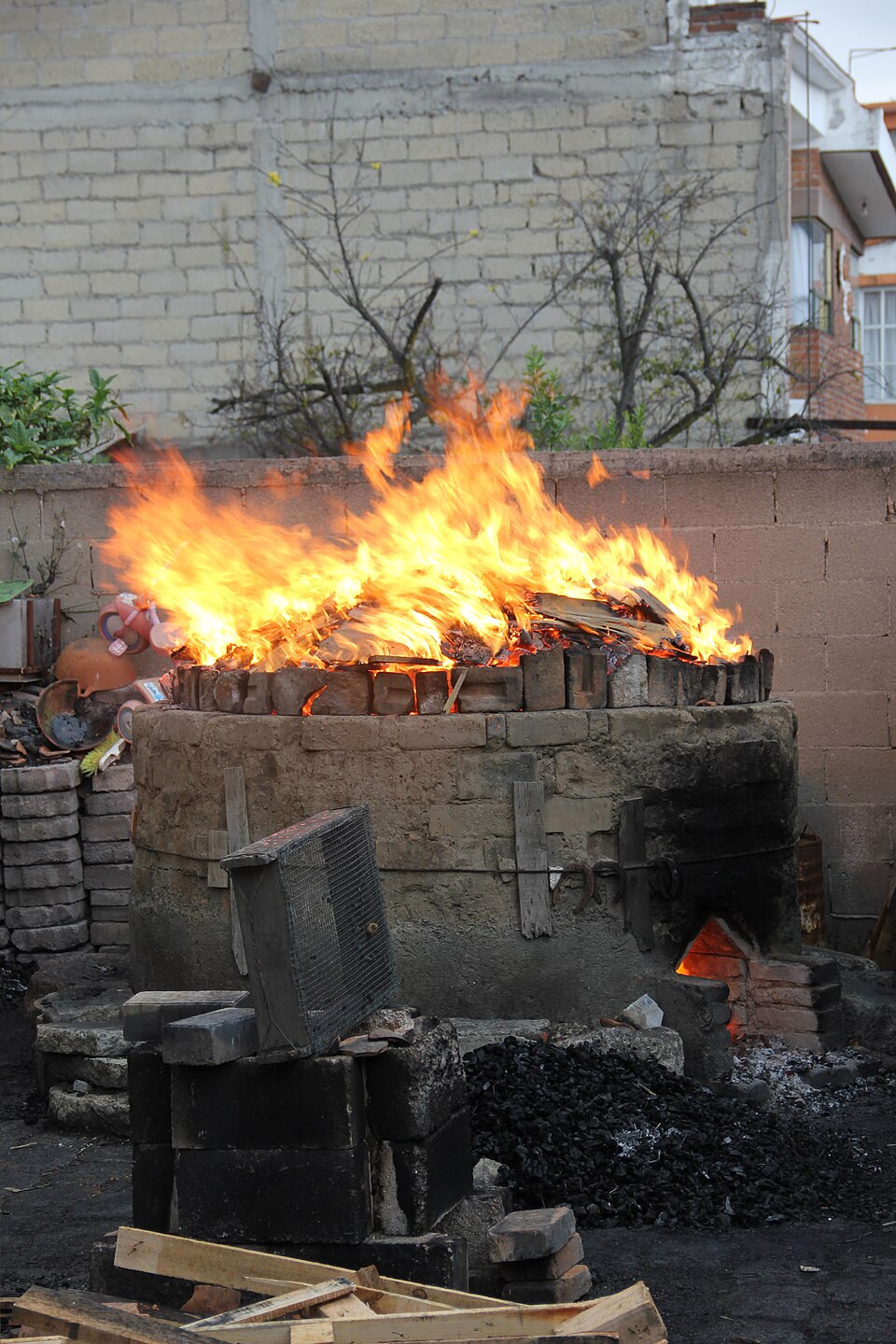
Make a fire-proof, waterproof, permanent container — and learn to control temperature.
Materials
GuideBuild
600–1,000 °C
t1-textiles
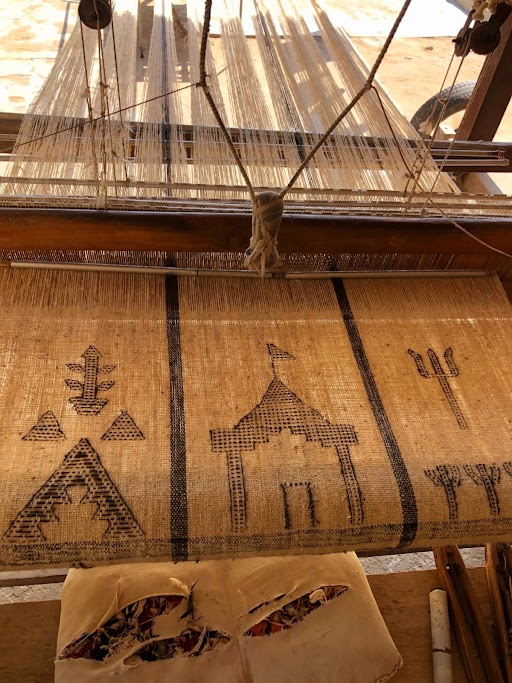
Make cloth, so you are not dependent on hides.
Materials
Guide ×2BuildSheet ×2
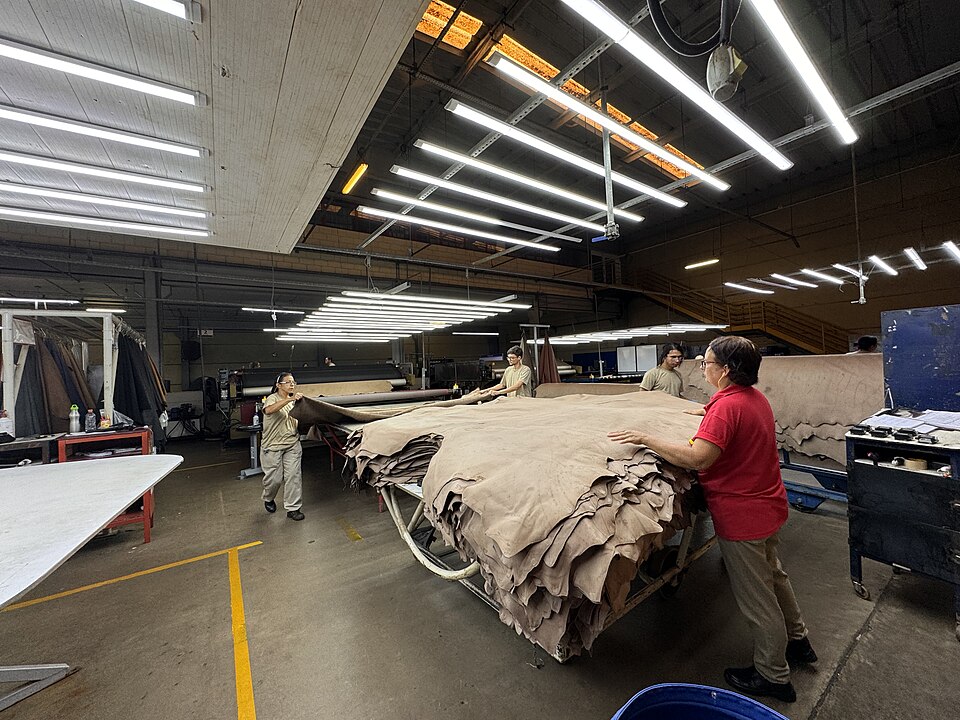
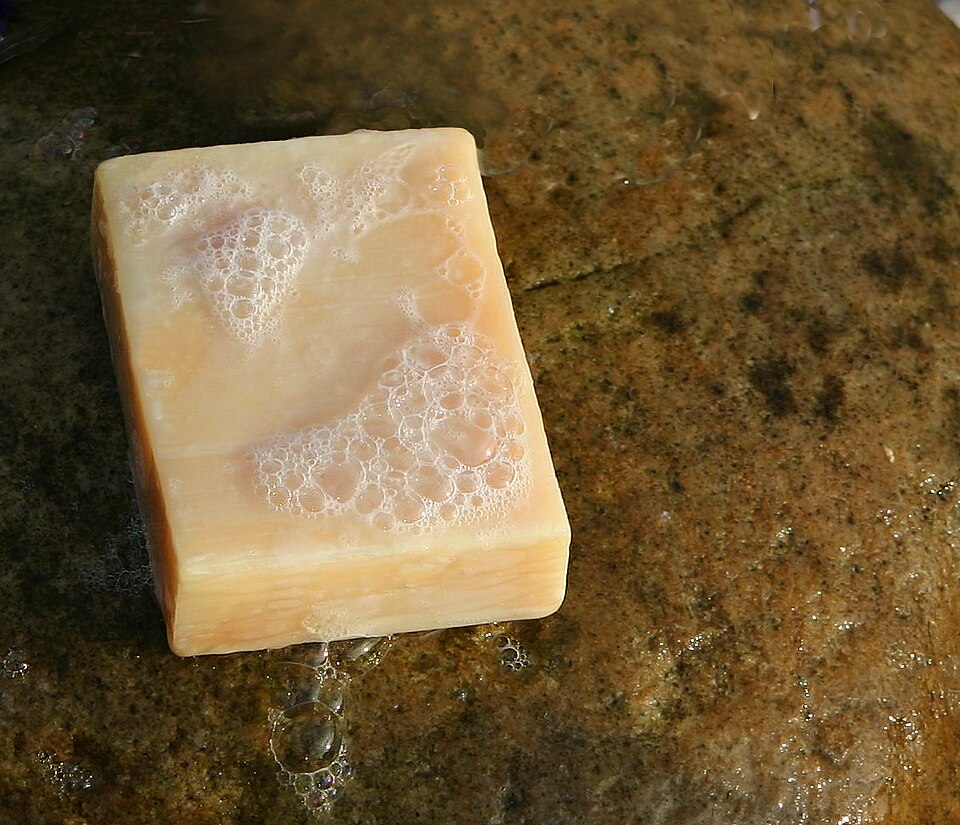
t1-tanning
Turn raw hide into a material that does not rot.
Materials
Guide ×2BuildSheet
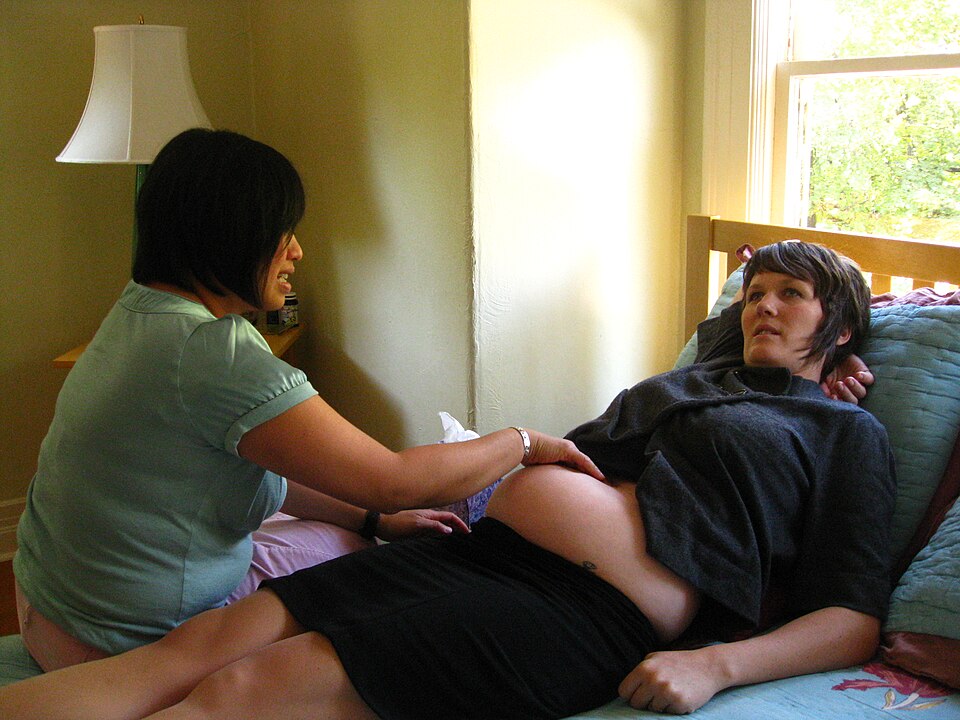
t1-midwifery
Stop losing mothers and infants to preventable causes.
Health
Guide ×2
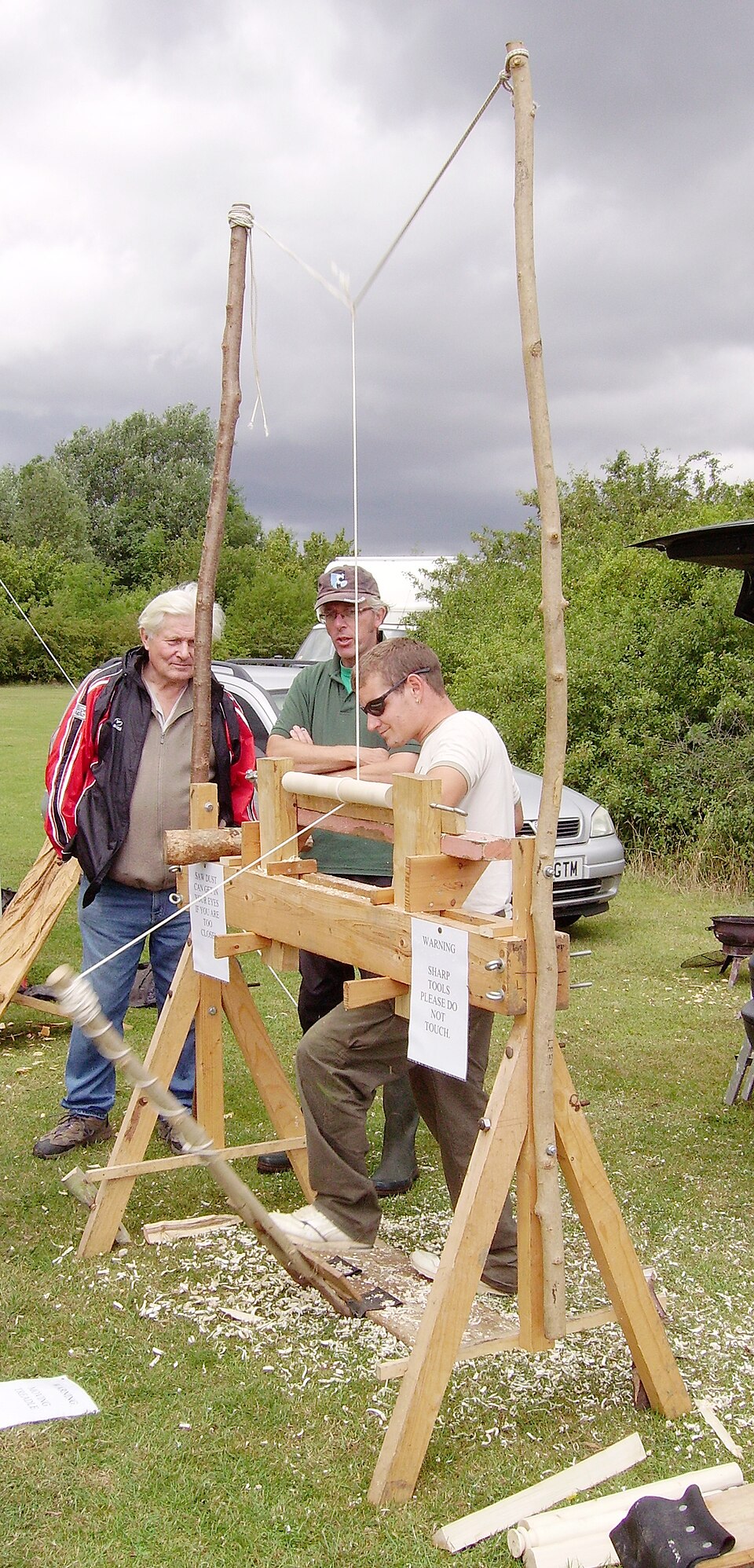
t1-woodwork
Make things accurately from wood, including the machines that will later work metal.
Tools
Guide ×2Build ×2
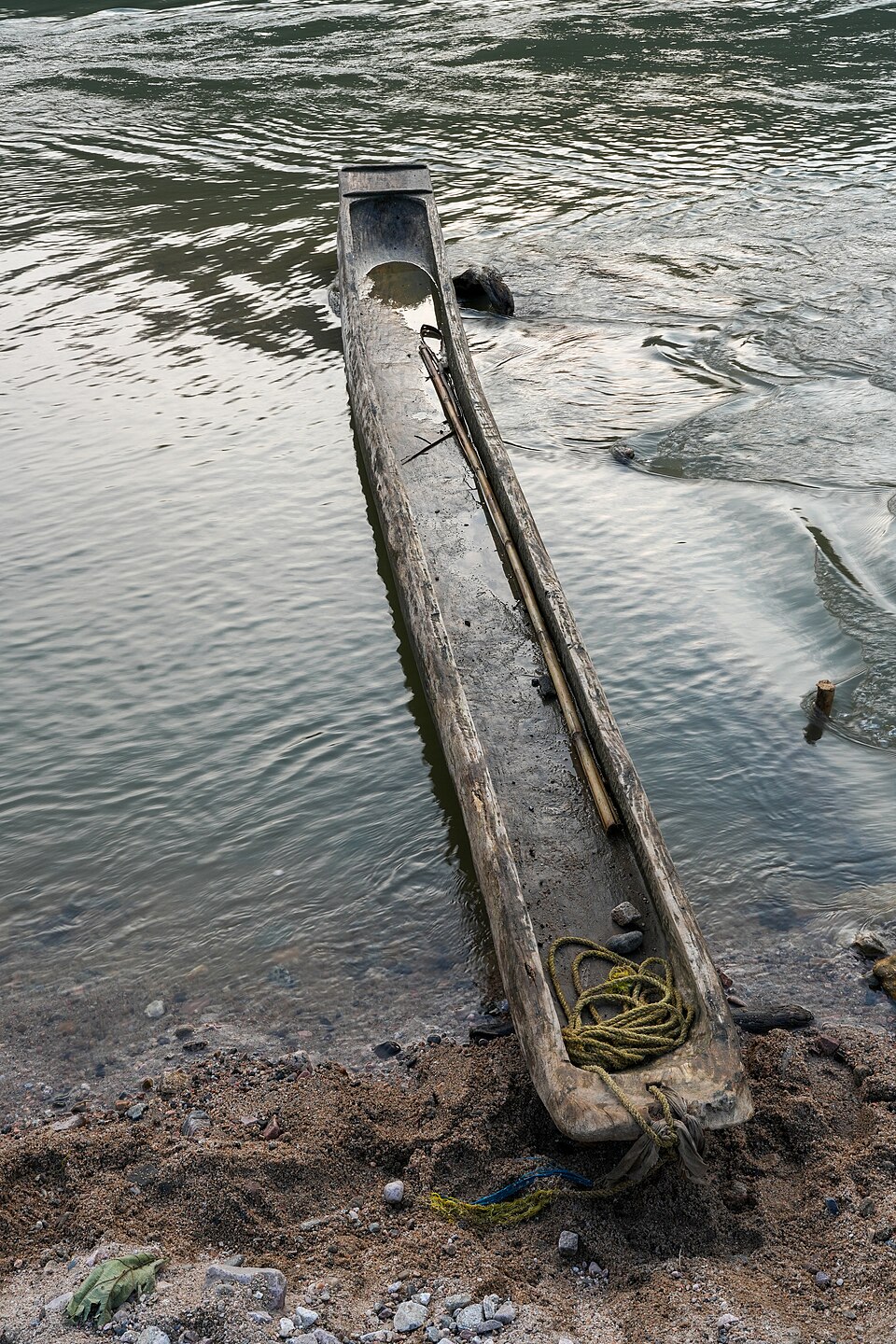
t1-boats
Cross and work water without drowning — raft, dugout and paddle.
Transport
Guide ×2Build ×3Sheet ×9
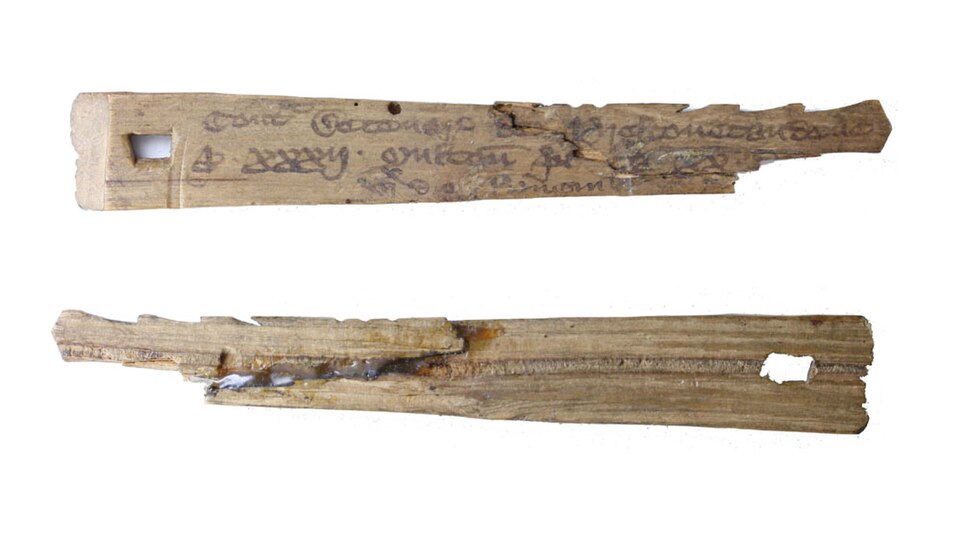
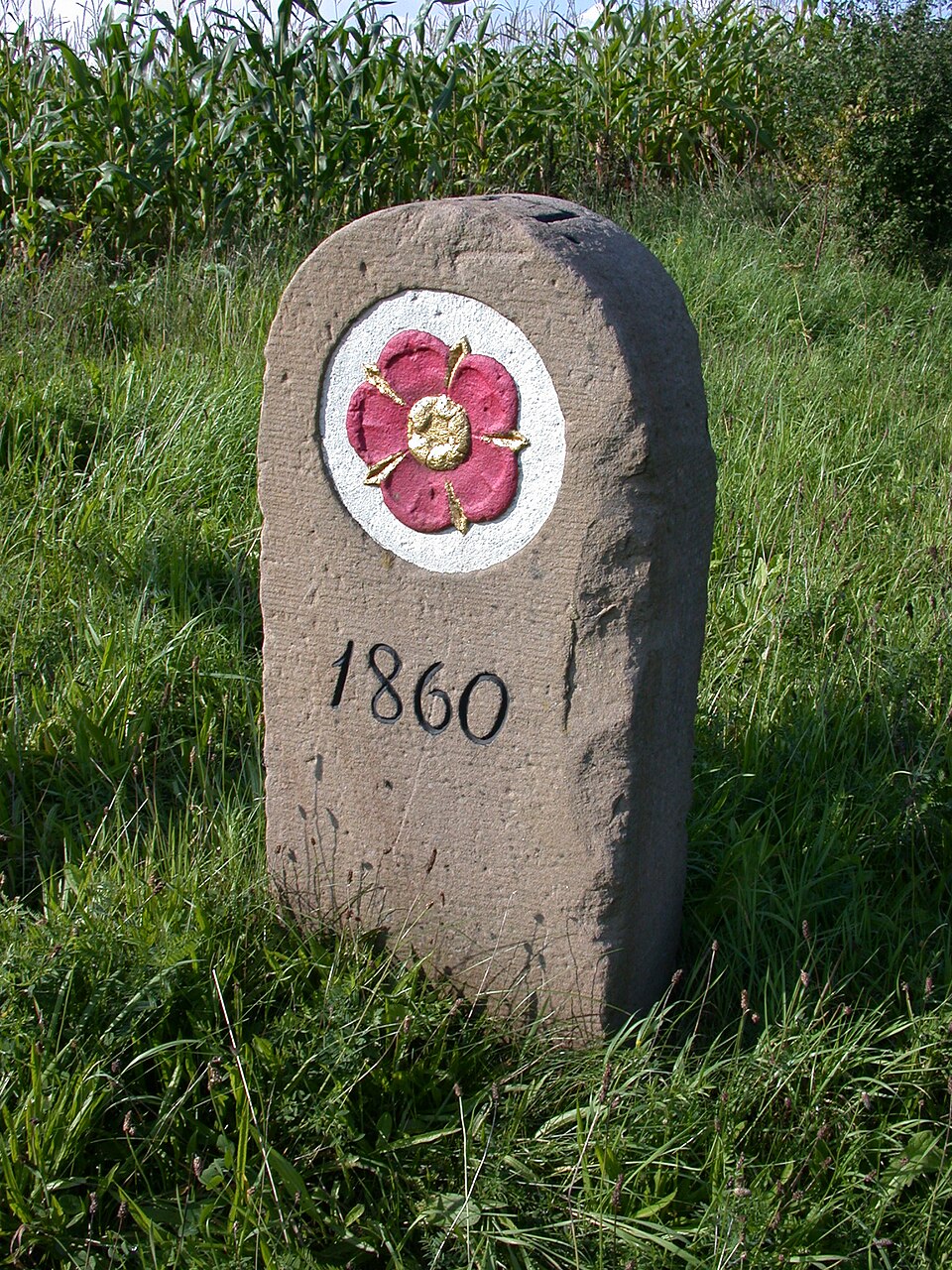
t1-property
Establish who holds which ground, in a form that outlives the argument.
Society
Guide ×2
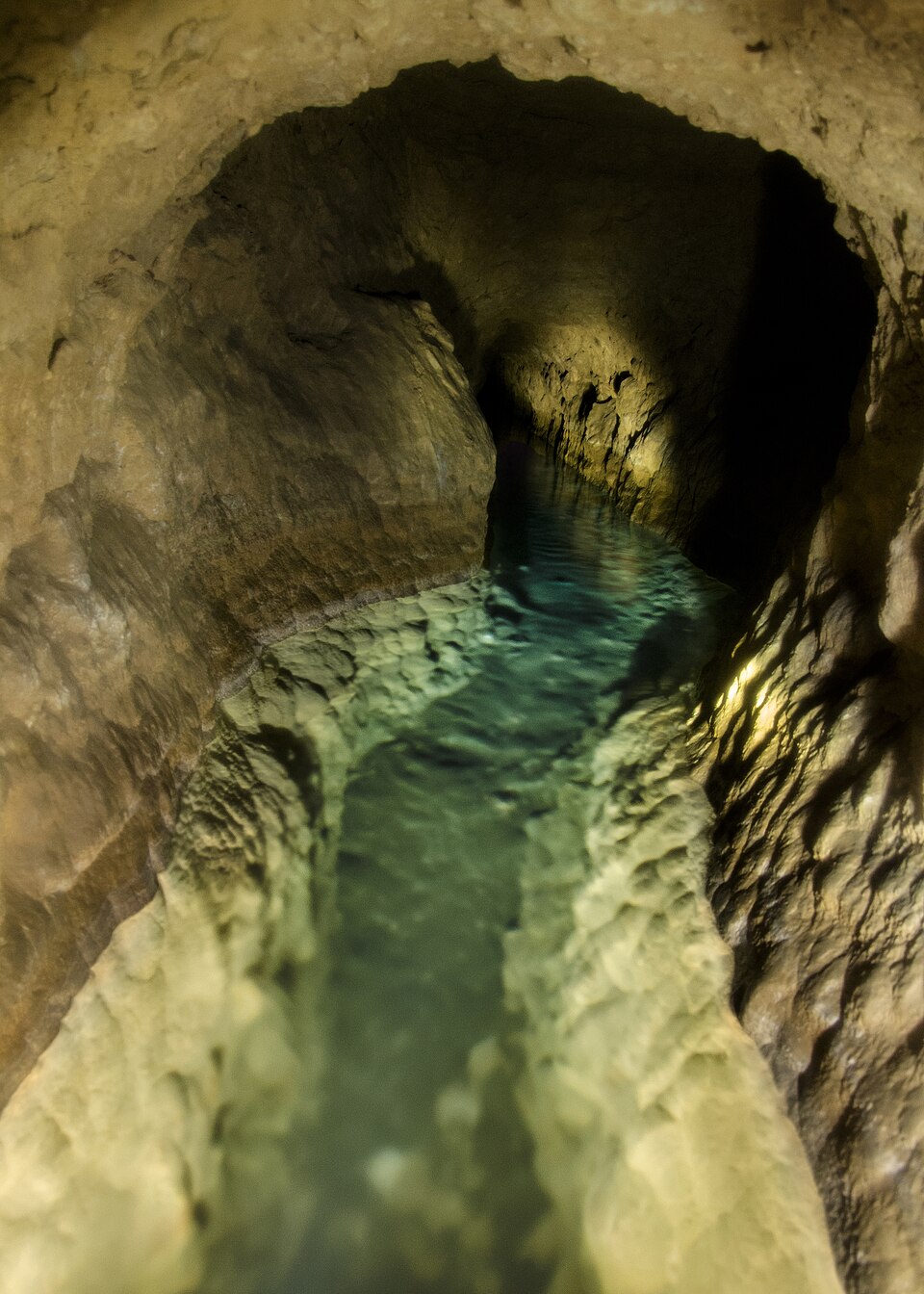
t1-commonworks
Build the thing everyone needs and nobody owns — and settle who pays for it.
Society
Guide ×2Sheet
t1-watch
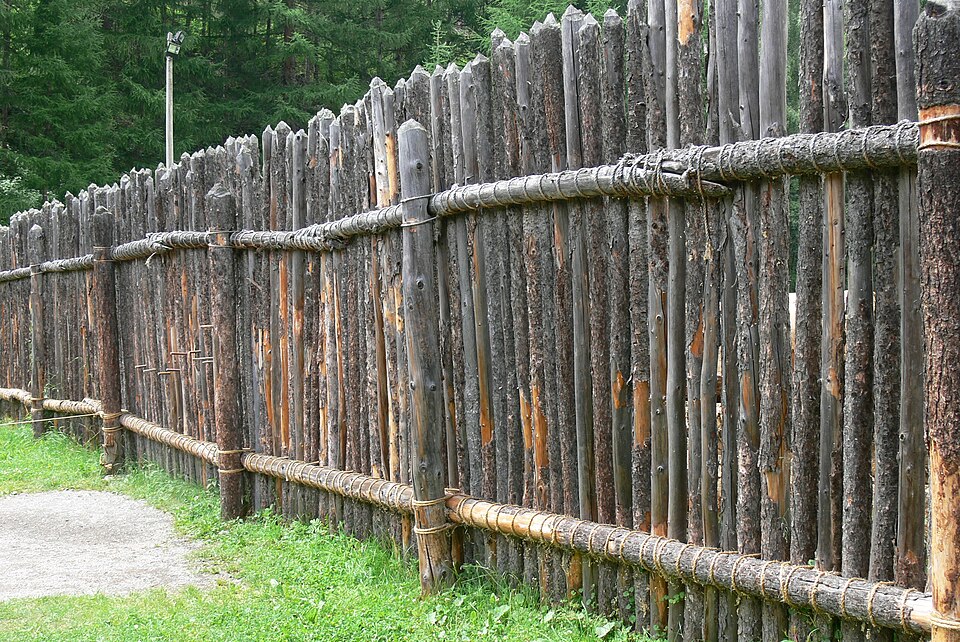
Make the settlement hard to surprise, raid or burn — without starting a feud.
Society
Guide