Health & Medicine
Tracks
Each track is one line of development climbing the eight levels. A cell holds the step written at that level; cross-listed steps have their home in another sector and are shown here because this subject depends on them. Dashed cells are planned and not yet written; blank ones have nothing planned.
First aid and surgery
Stop the bleeding, clean the wound, splint the break, and later operate under anaesthesia.
Hygiene and disease
Soap, then germ theory and antisepsis, then antibiotics and vaccines.
Nutrition and teeth
Preventing deficiency disease and tooth decay with food the group already grows.
Mother and child
Counting the pregnancy, clean births, bleeding after the birth, and keeping the newborn warm and fed.
Medicines
Plant medicine that works, dosed by weight and recorded, up to biology as engineering.
Everything in Health & Medicine
Gathered from the steps above: the guides and builds that serve them, the reference sheets those carry, and every book the steps, guides and builds cite.
Field guides
Without antibiotics, a cut is a slow emergency and a deep bite is a fast one. What saves people is mostly pressure, water, and knowing which wounds must be left open.
Level 1Normal pulse, breathing, temperature and blood pressure; the signs that mean danger in a child; and how much water a body needs.
Level 1The poisonings a rebuilding community is most likely to meet: where each comes from, how it shows, and the first thing to do.
Level 3Life from the cell up: the human body, microbes and immunity, inheritance and epidemics. Each result with what it lets you do and who first found it.
Level 3The two dozen that decide who lives where there is no doctor: what each does, how it spreads, what kills it and which step stops it.
Level 3The basic set from the WHO list: what each treats, what it is made from, and the earliest tier that can make it. No doses, on purpose.
Level 0The distance between a latrine and a well, a bar of soap, and a covered pit prevent more deaths than every hospital on the ladder combined.
Level 3What matter is made of and how it changes: amounts, gases, acids, the energy and speed of reactions, electrochemistry, and the reactions every industry on the ladder runs on.
Level 3Fourteen branches, each with the handful of results a civilization cannot rebuild without, and where to learn the rest.
Builds
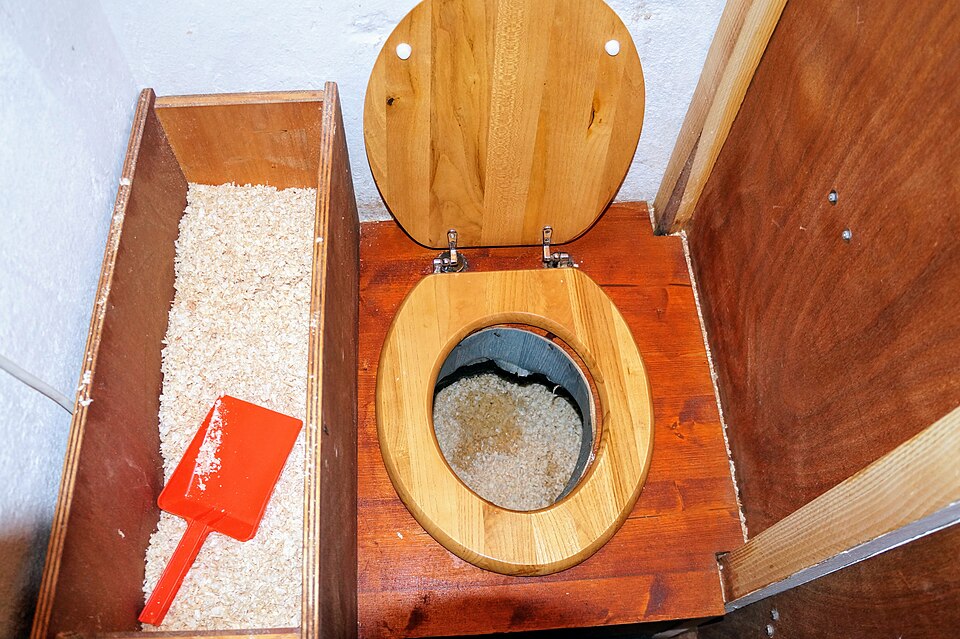
Break the faecal–oral route and return the nutrients — the highest lives-saved-per-effort structure a settlement can build.
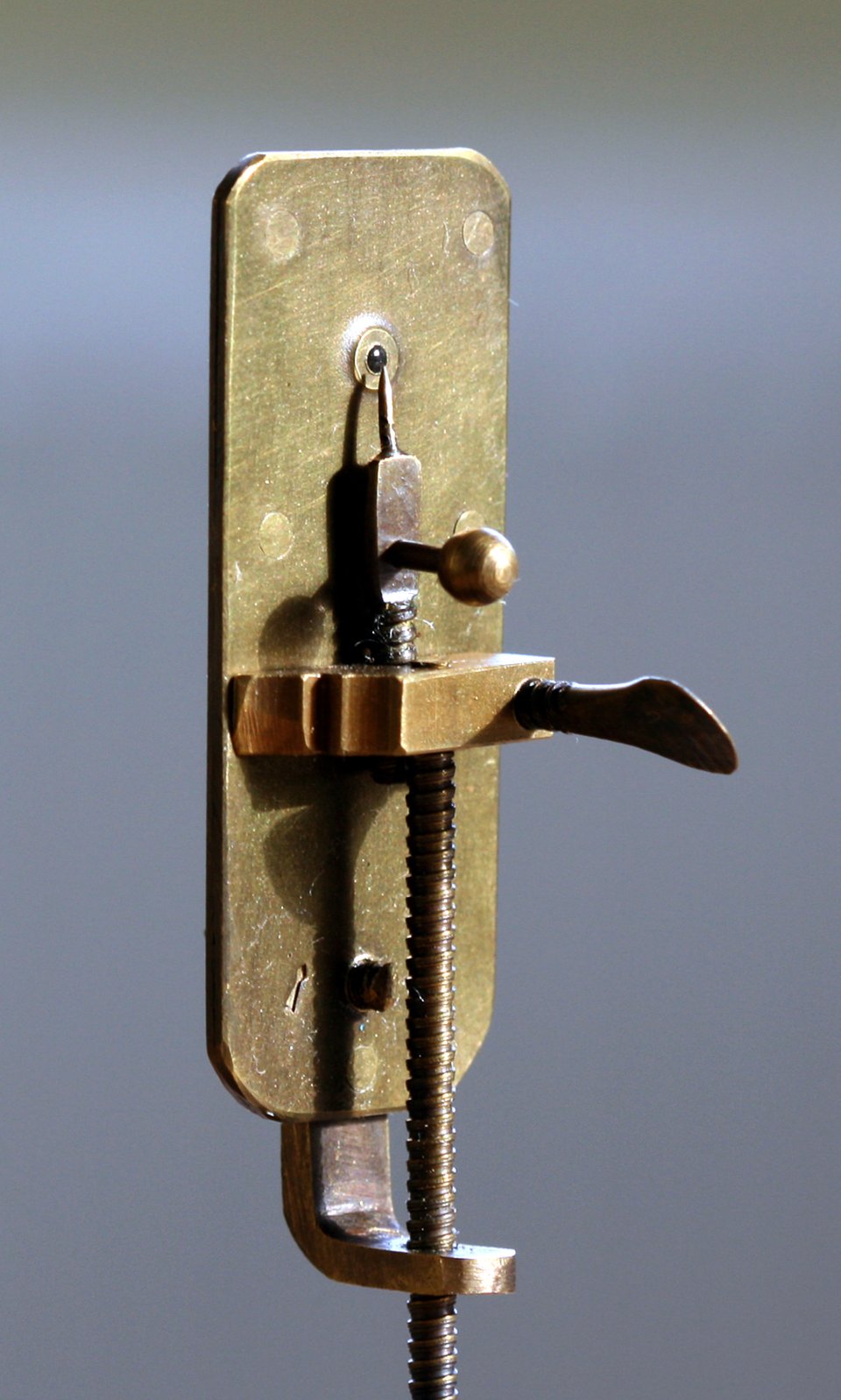
A glass bead the size of a pinhead magnifies 150–350 times: enough to see yeast, blood cells and the larger bacteria that cause disease.
Books and archives
- Hesperian Health Guides Archive · ~50–400 MB
- Manual of Surgery, Vol. 1: General Surgery Alexis Thomson & Alexander Miles · Gutenberg #17921
- Notes on Nursing Florence Nightingale · Gutenberg #12439
- A Manual of the Operations of Surgery Joseph Bell · Gutenberg #24564
- Merck's 1899 Manual of the Materia Medica Merck & Co. · Gutenberg #41697
- The Fundamentals of Bacteriology Charles B. Morrey · Gutenberg #43227
- An anatomical disquisition on the motion of the heart & blood in animals William Harvey · Gutenberg #67065
- Wikipedia, offline (Kiwix ZIM) Archive · ~110 GB full with images · ~55 GB no-image · ~5 GB 'best of'
- CD3WD appropriate-technology archive Archive · ~13 GB
- OpenStax textbooks Archive · ~2 GB
- Physiology and Hygiene for Secondary Schools Francis M. Walters · Gutenberg #18779
- WHO water, sanitation and health guidance Archive · ~200 MB
- On the Origin of Species By Means of Natural Selection Charles Darwin · Gutenberg #1228
- Micrographia Robert Hooke · Gutenberg #15491
- An Inquiry into the Causes and Effects of the Variolae Vaccinae Edward Jenner · Gutenberg #29414
- The Elements of Bacteriological Technique J. W. H. Eyre · Gutenberg #27713
- Principles of Public Health Thomas Dyer Tuttle · Gutenberg #53974
- WHO, Immunization in Practice Archive · Free PDF download
- The Handbook of Soap Manufacture W. H. Simmons · Gutenberg #21724
- Soap-Making Manual E. G. Thomssen · Gutenberg #34114
- Edible Fats and Oils W. H. Simmons · Gutenberg #79516
- LibreTexts Archive · ~15 GB
- History of Sanitation J. J. Cosgrove · Gutenberg #48329
- Sewage and Sewerage of Farm Homes George M. Warren · Gutenberg #63094
- Practical Methods of Sewage Disposal for Residences, Hotels and Institutions Henry N. Ogden · Gutenberg #54244
- The Humanure Handbook Archive · ~20 MB
- Appropedia Archive · ~4 GB
- Elements of Chemistry, In a New Systematic Order, Containing all the Modern Discoveries Antoine Laurent Lavoisier · Gutenberg #30775
- The Chemical History of a Candle Michael Faraday · Gutenberg #14474
- Creative Chemistry Edwin E. Slosson · Gutenberg #17149
- Elements of Arithmetic Augustus De Morgan · Gutenberg #68662
- The Story of the Soil Cyril G. Hopkins · Gutenberg #4527
- The Telescope Louis Bell · Gutenberg #53740
- Sewerage and Sewage Treatment Harold E. Babbitt · Gutenberg #61773
- The Microscope: Its History, Construction, and Application Jabez Hogg · Gutenberg #61233
- FAO agricultural documents Archive · ~10 GB
- Scurvy, Past and Present Alfred F. Hess · Gutenberg #40505
- A System of Midwifery Edward Rigby · Gutenberg #40654
- Obstetrical Nursing Carolyn Conant Van Blarcom · Gutenberg #59234