Energy
Tracks
Each track is one line of development climbing the eight levels. A cell holds the step written at that level; cross-listed steps have their home in another sector and are shown here because this subject depends on them. Dashed cells are planned and not yet written; blank ones have nothing planned.
Fire and fuel
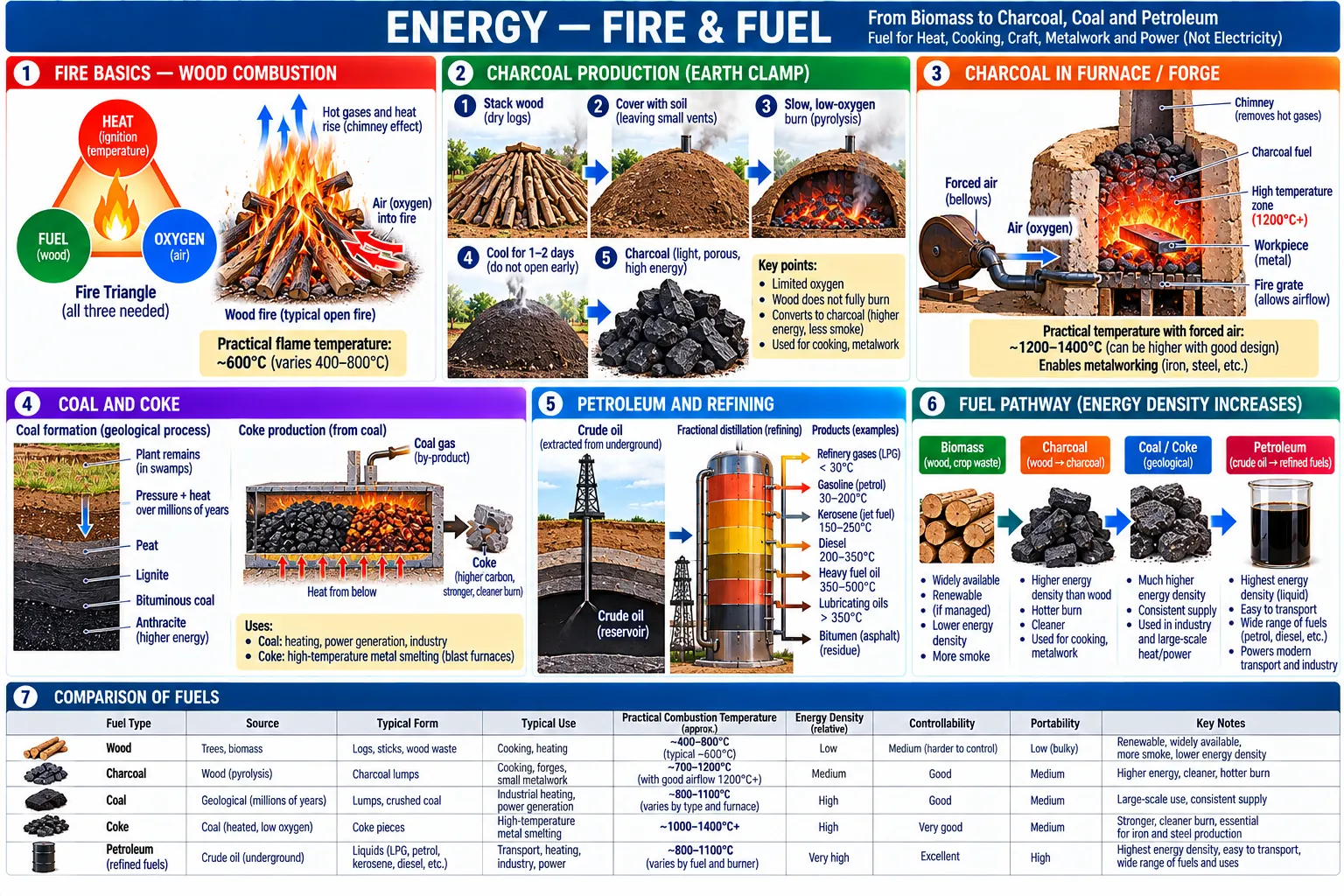
Fire, then charcoal, coal and coke, and oil: each fuel hotter, denser or easier to move than the last.
Mechanical power
Water, wind and steam turning a shaft: the first power that is not muscle.
Electricity
Stored, generated and grid electricity, and how to carry it without being killed by it.
Everything in Energy
Gathered from the steps above: the guides and builds that serve them, the reference sheets those carry, and every book the steps, guides and builds cite.
Field guides
Making fire once is a trick. Never having to make it from nothing again is the skill, and the difference between them is tinder you collected yesterday.
Level 2Throw away two-thirds of the energy in a pile of wood and what is left is the only fuel that reaches the temperature of molten iron.
Level 1The poisonings a rebuilding community is most likely to meet: where each comes from, how it shows, and the first thing to do.
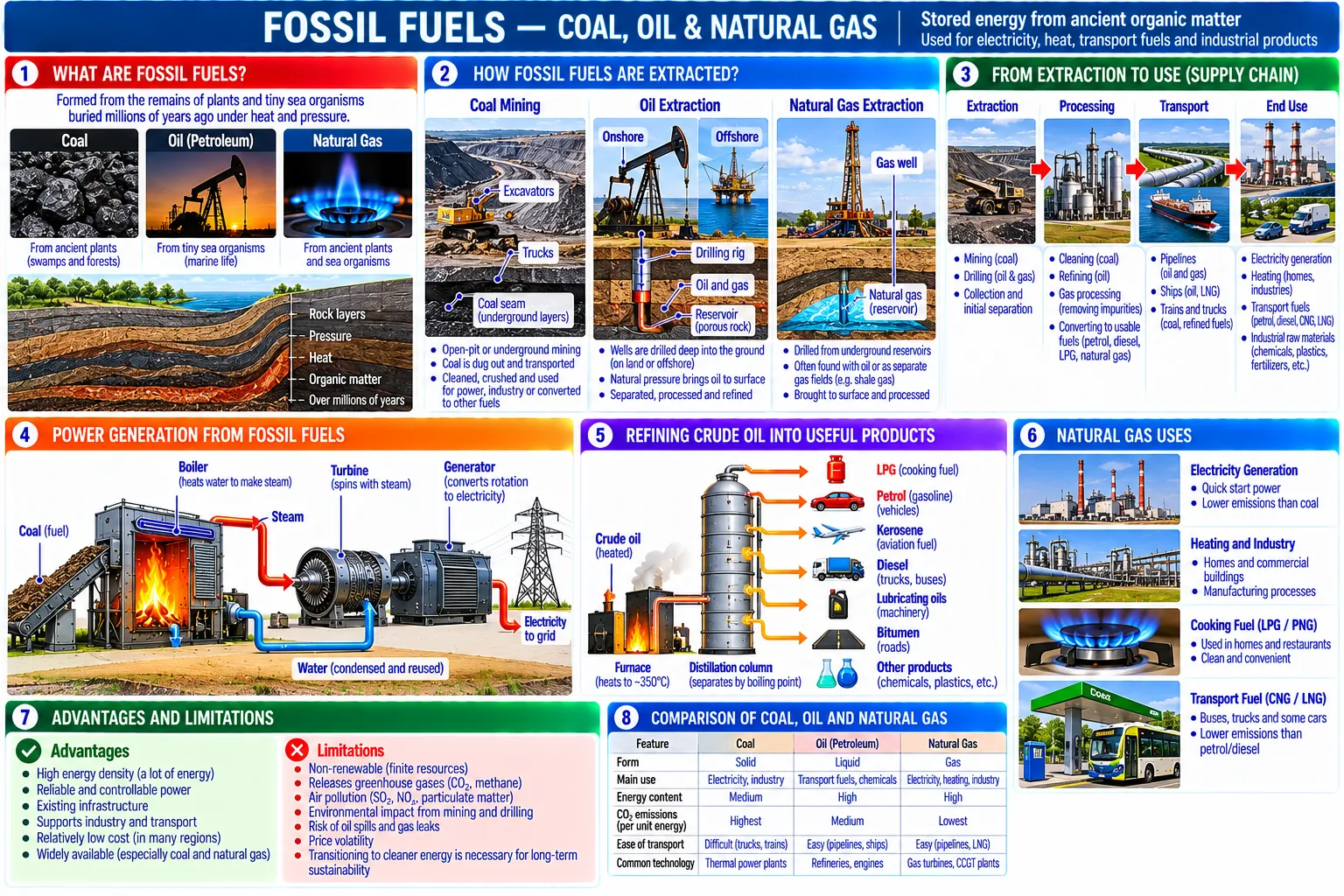
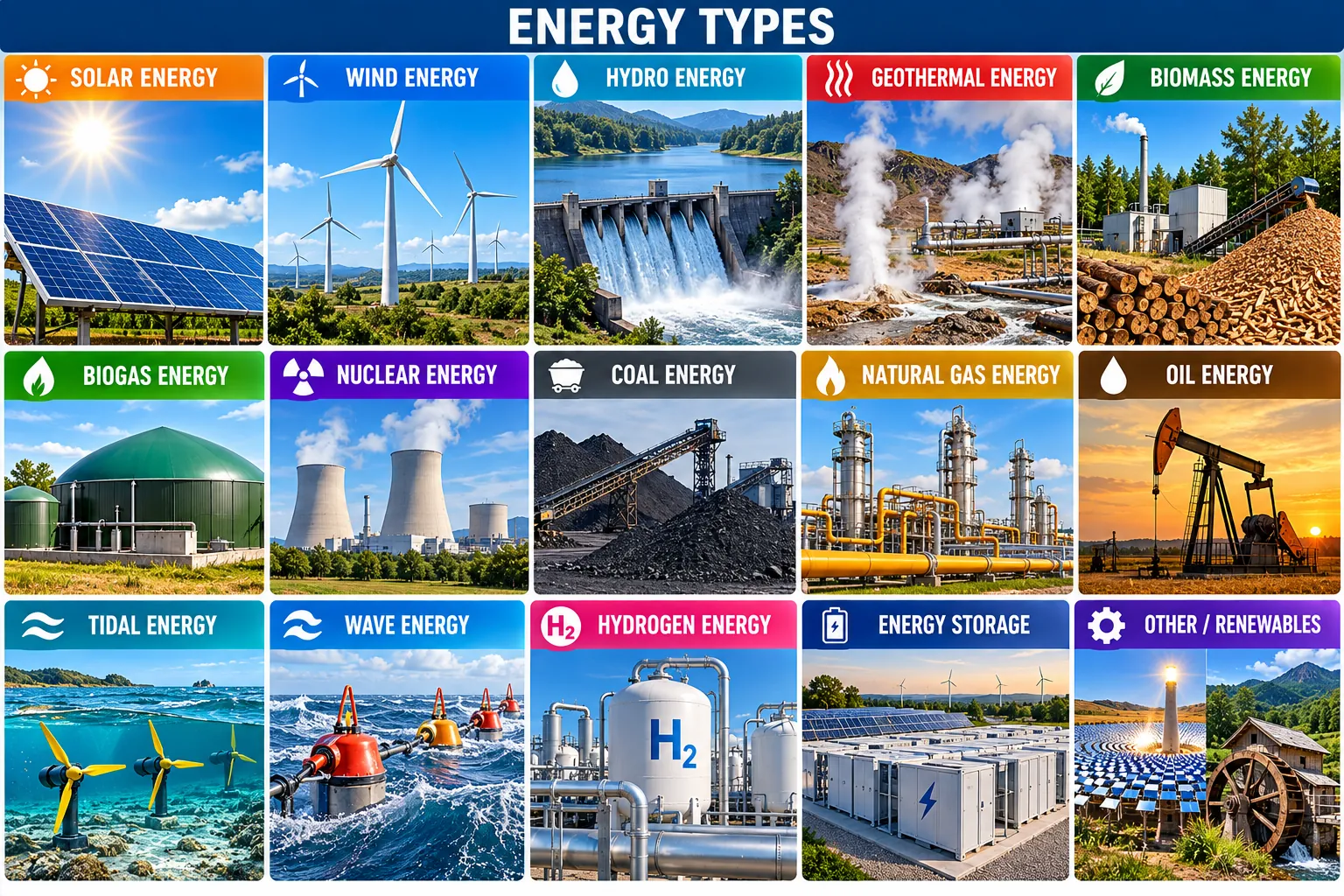
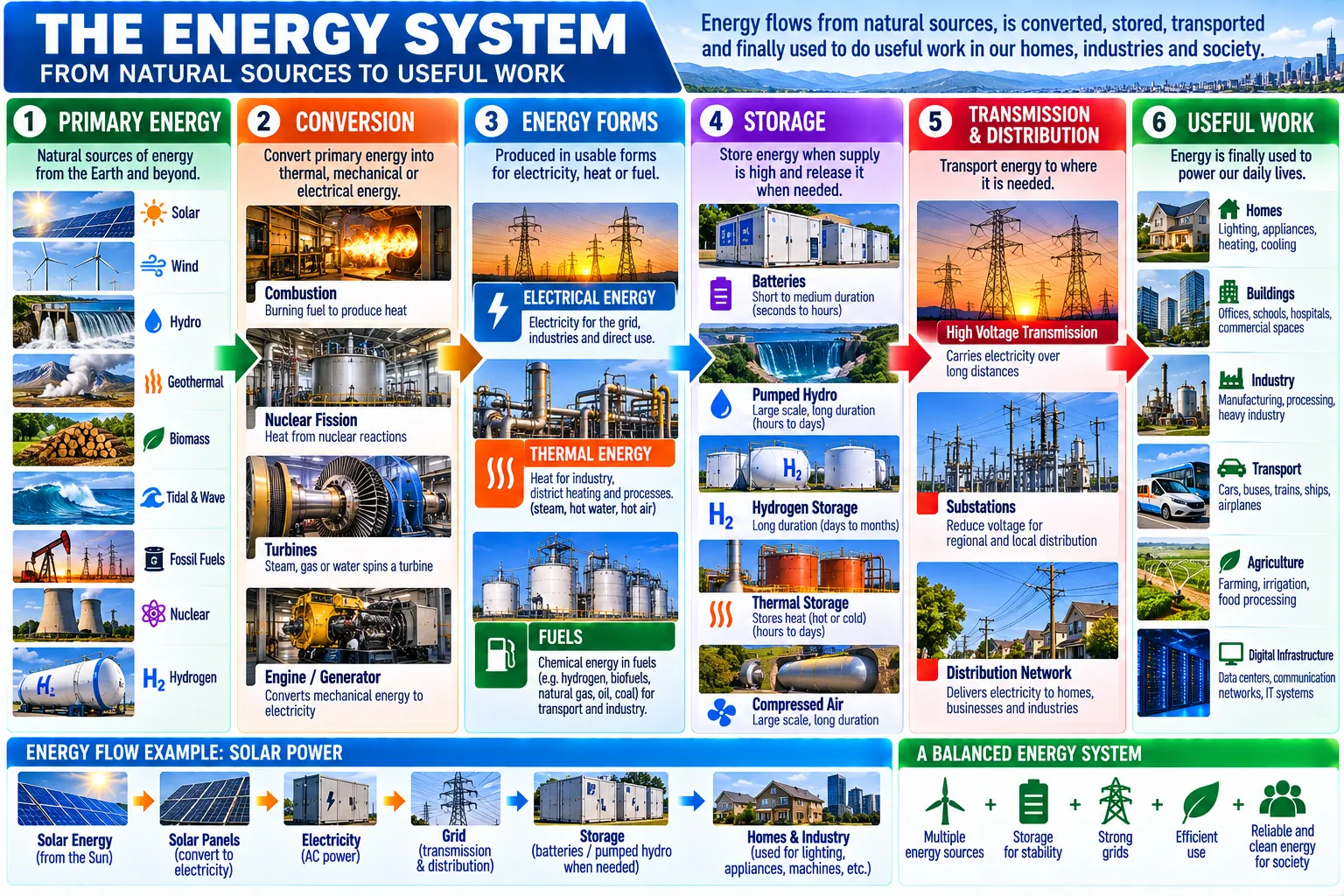
Level 7Every source of energy in one place: what it gives, what it takes, and how it can hurt you. Key figures, a reference sheet for each, and where to read further.
Level 1The forest is the first material store, the first fuel supply and the first thing a group kills itself cutting down. Managed, it is also the only one of the three that grows back.
Level 2How to tell the ores that matter with nothing but a streak plate, a knife and your hand: colour lies, streak and weight do not.
Level 3Water in and on the ground, the air and weather, rocks and time, earthquakes and tsunamis, and the climate: each result with what it lets you do and who first found it.
Level 5Not a source of energy but a way of carrying it: make it, move it, store it — and know exactly how it kills.
Level 3Force, energy, heat, light, electricity, relativity and the atom: the laws every engine, wire and lens obeys, each with what it lets you do and who first found it.
Level 3Turning the sciences into things that work: machines, structures, water in pipes and channels, heat through walls, and feedback control. Each result with what it lets you do and who first found it.
Level 3Fourteen branches, each with the handful of results a civilization cannot rebuild without, and where to learn the rest.
Level 3What matter is made of and how it changes: amounts, gases, acids, the energy and speed of reactions, electrochemistry, and the reactions every industry on the ladder runs on.
Level 3The sky as calendar, clock and compass, then orbits, distances and the universe: each result with what it lets you do and who first found it.
Builds
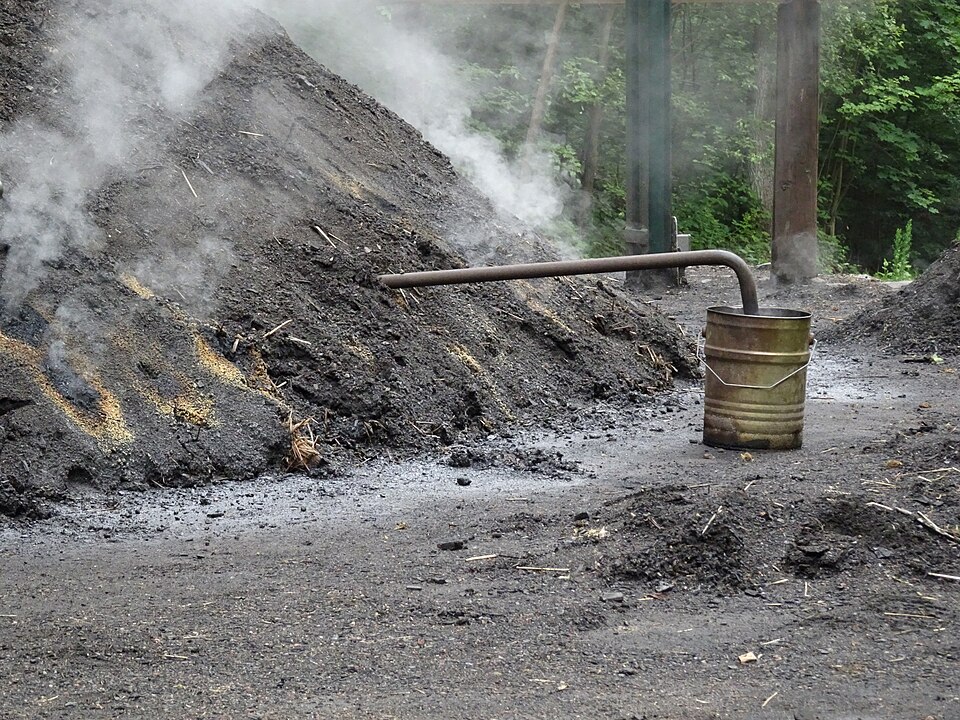
Turn wood into the fuel that reaches smelting heat — no kiln, no metal, just a stack, a cover and a week of attention.
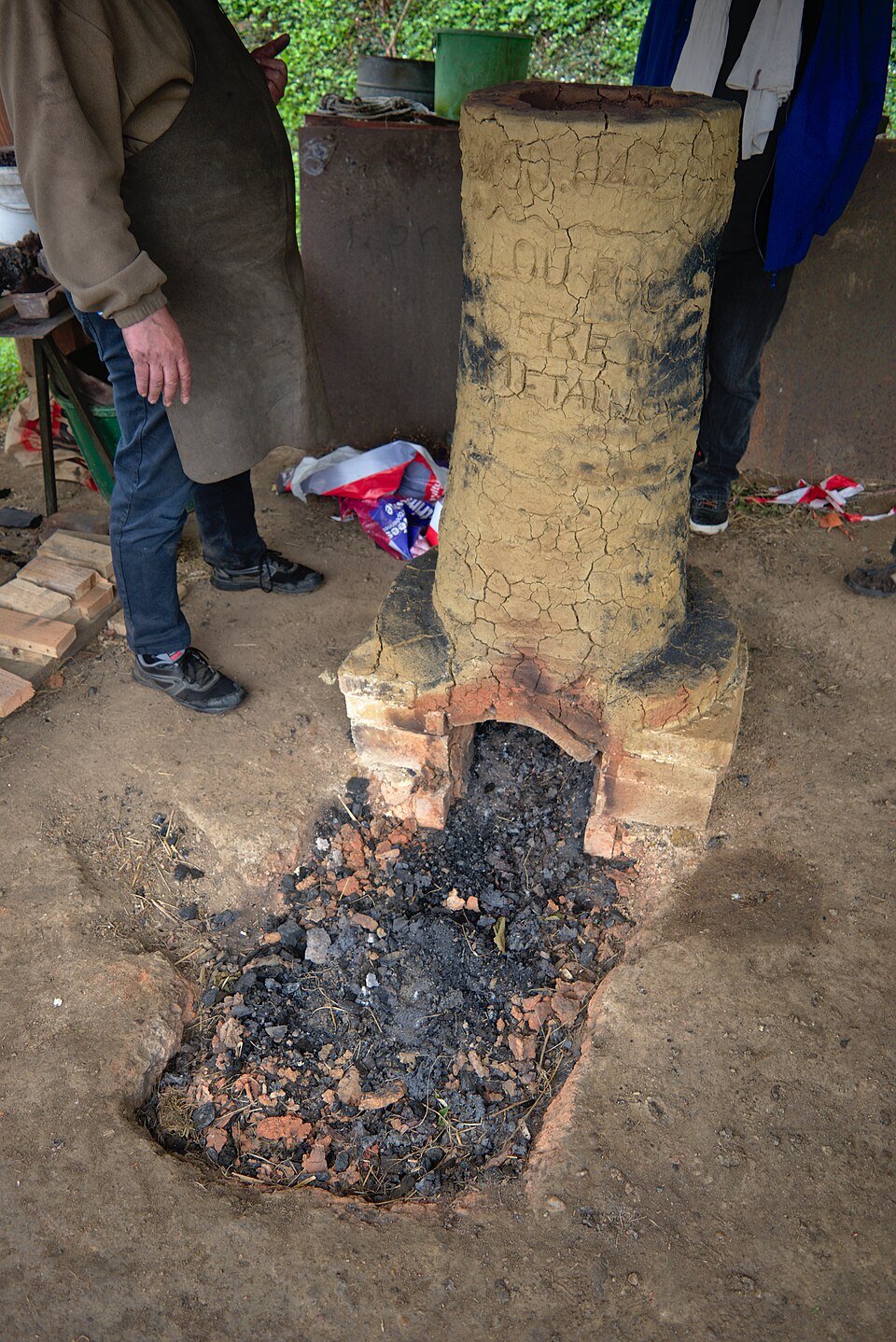
A clay shaft that turns rock into iron — the first machine that makes every other machine possible.
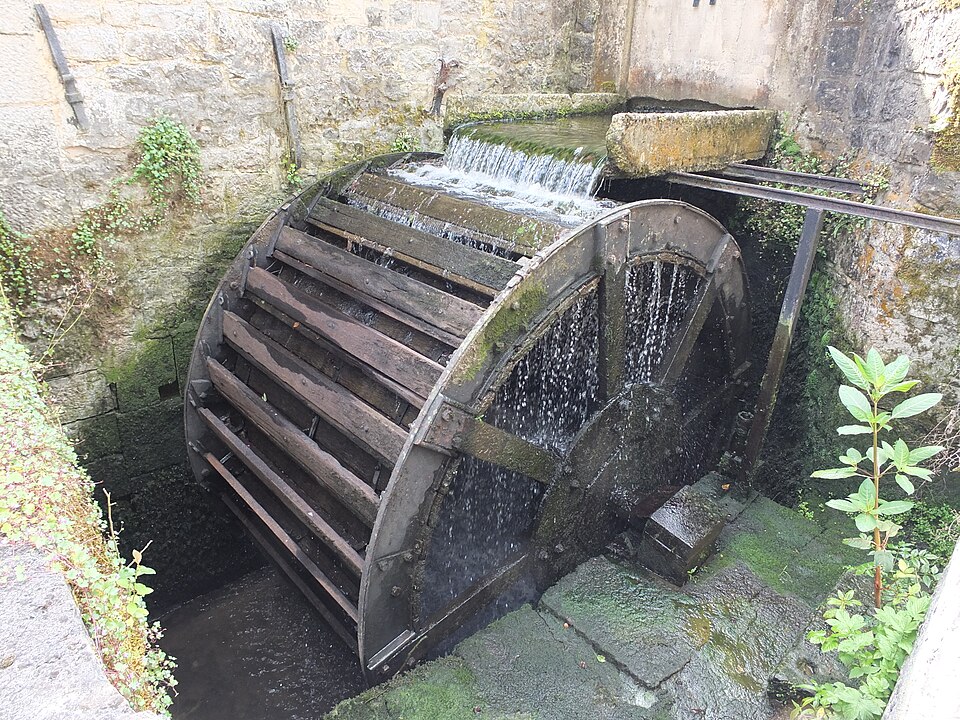
A few kilowatts, day and night, without eating — the first energy surplus large enough to support full-time specialists.
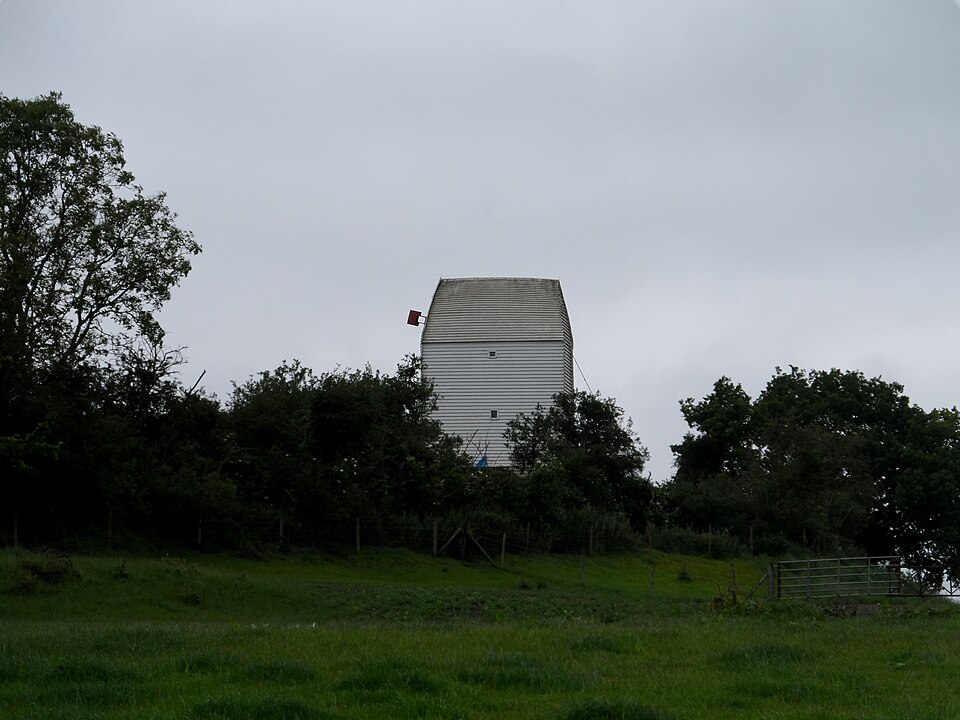
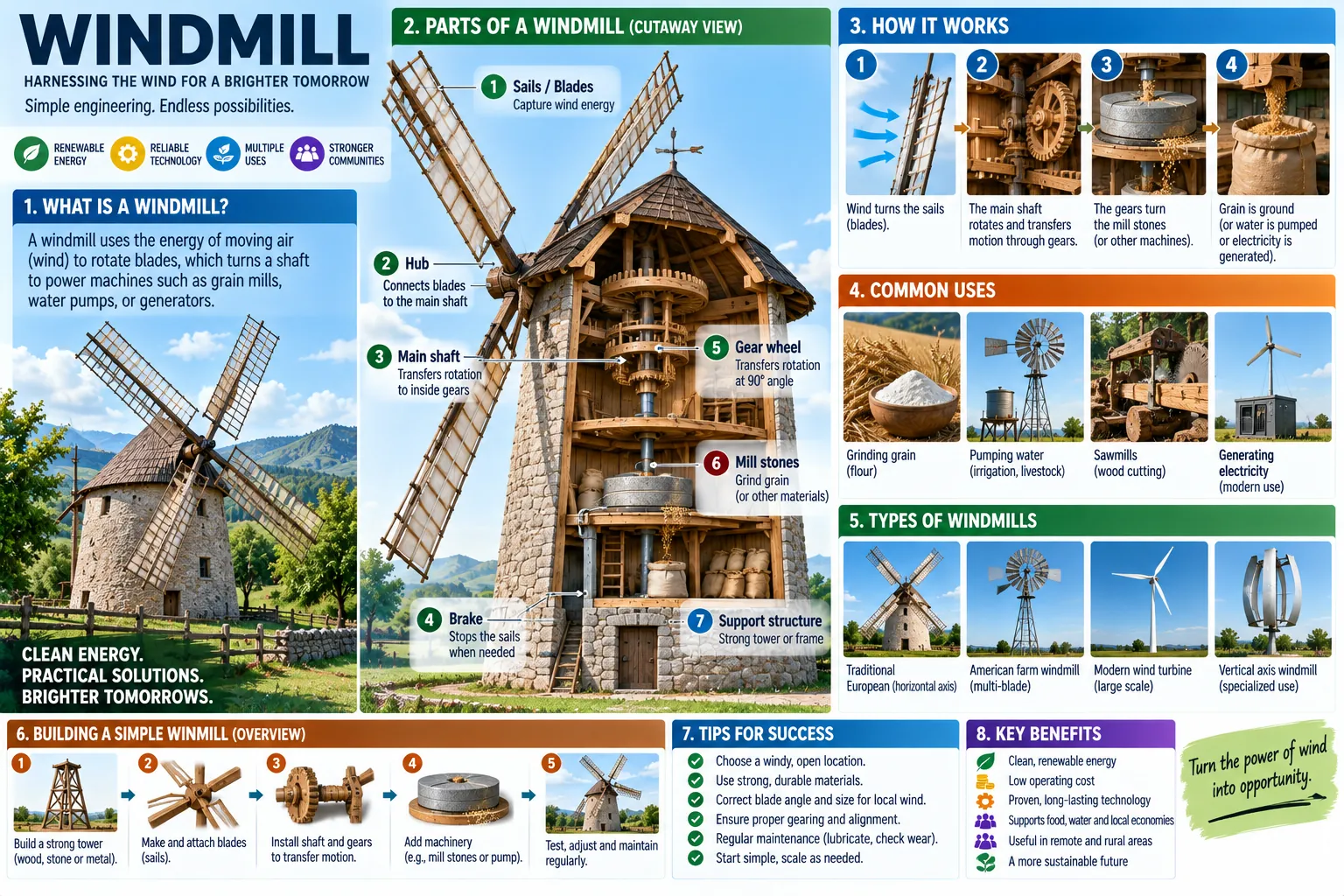
A whole building balanced on one oak post so it can be turned to face the wind — the first machine that let a settlement mill grain where there was no falling water.
Reference sheets
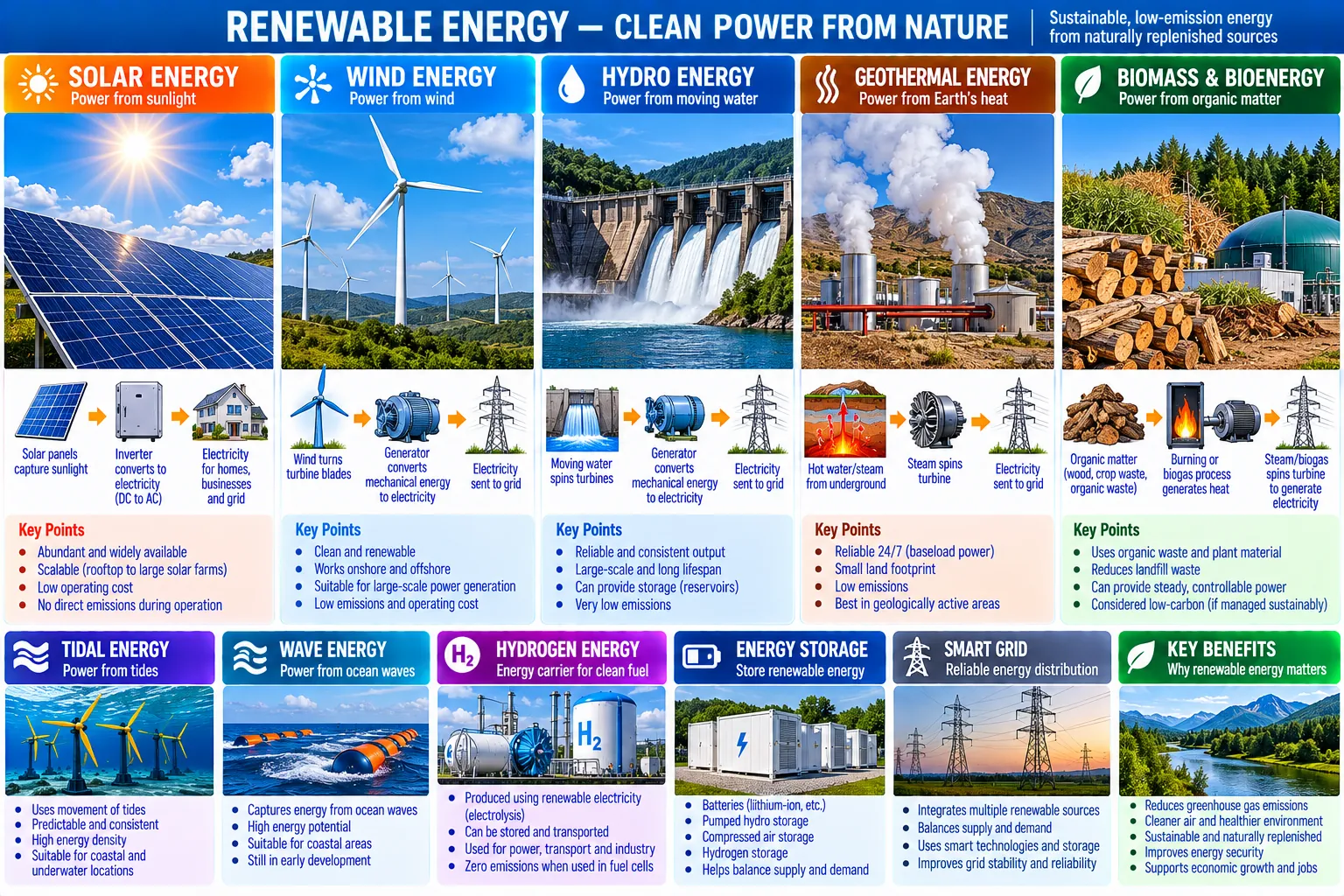
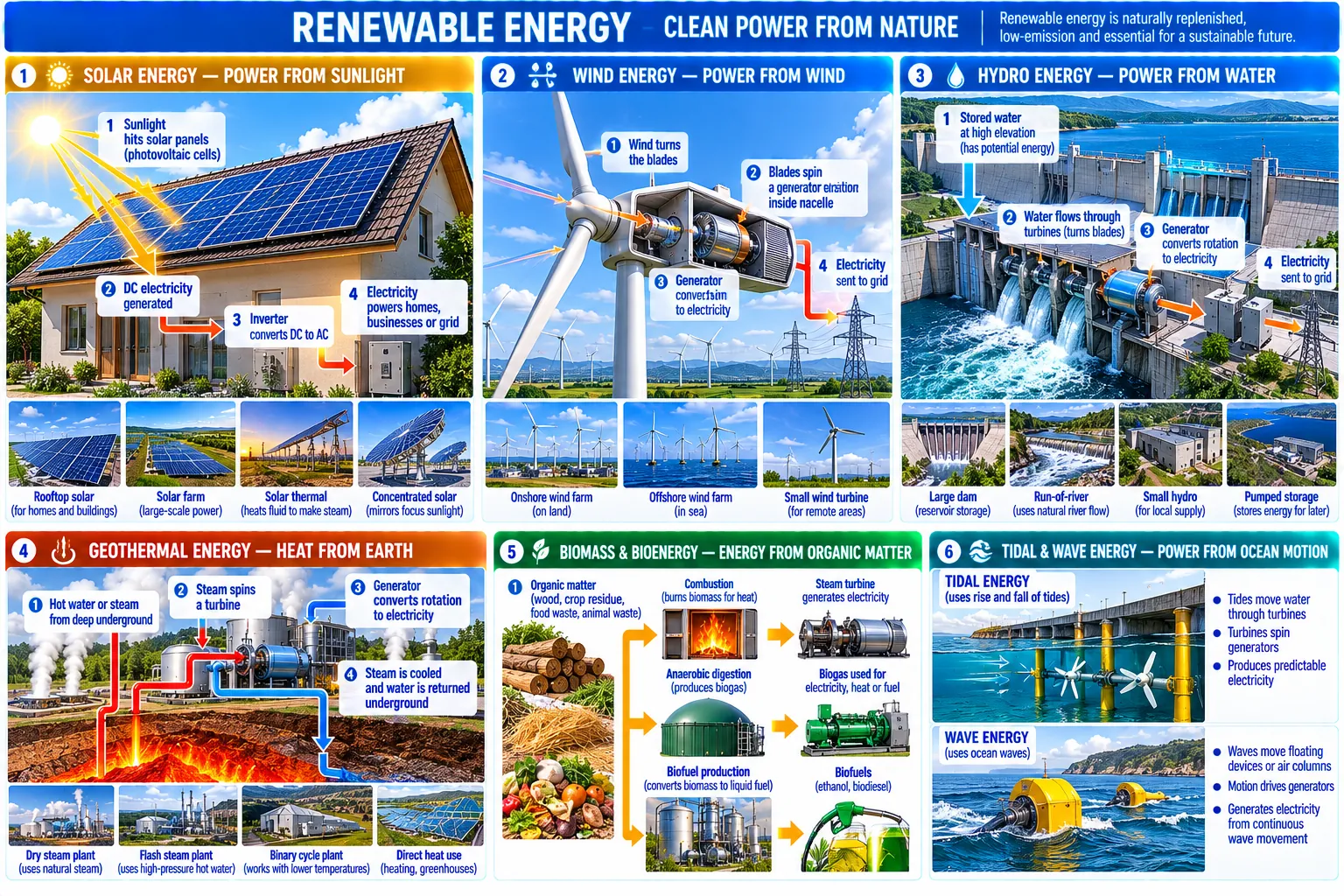
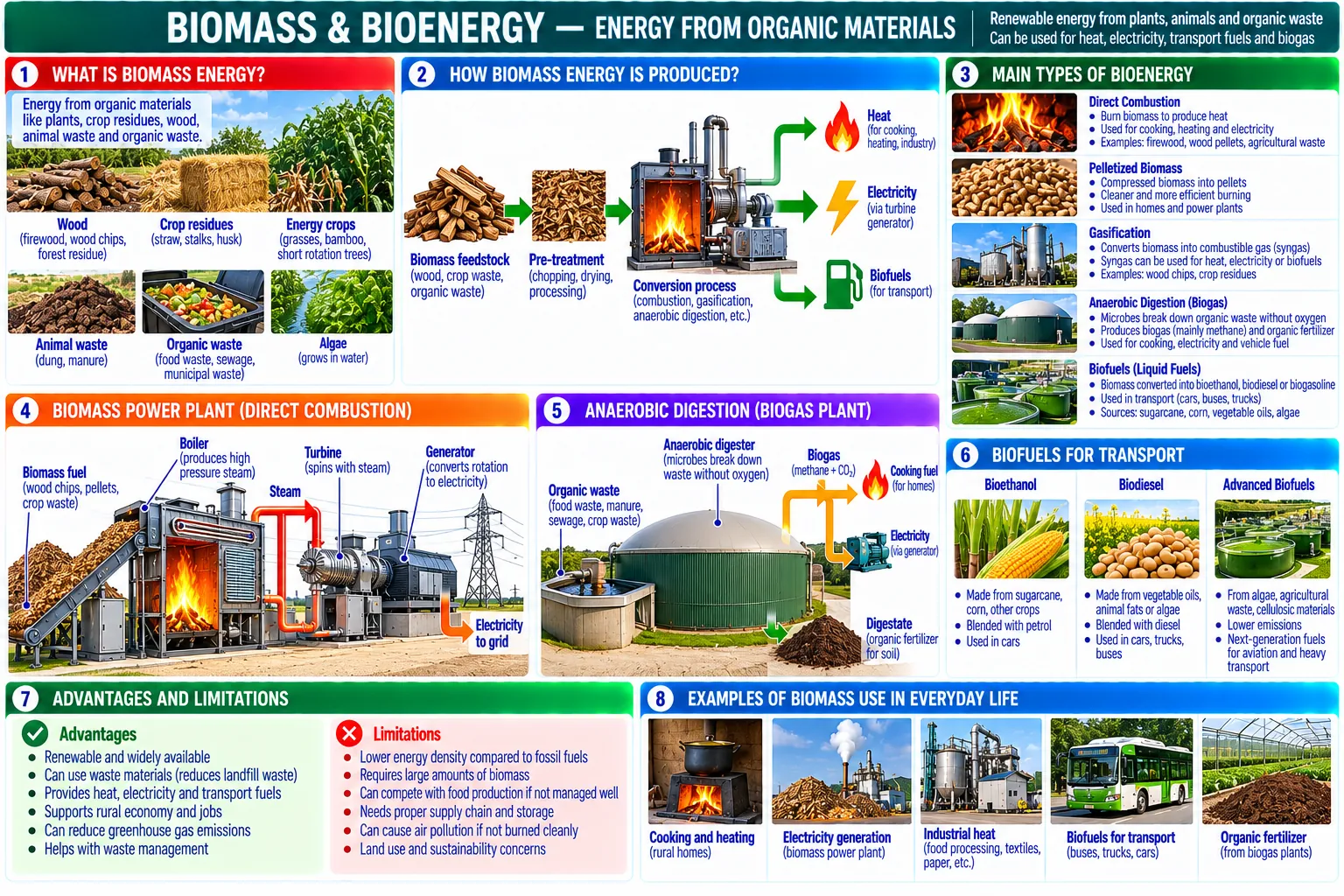
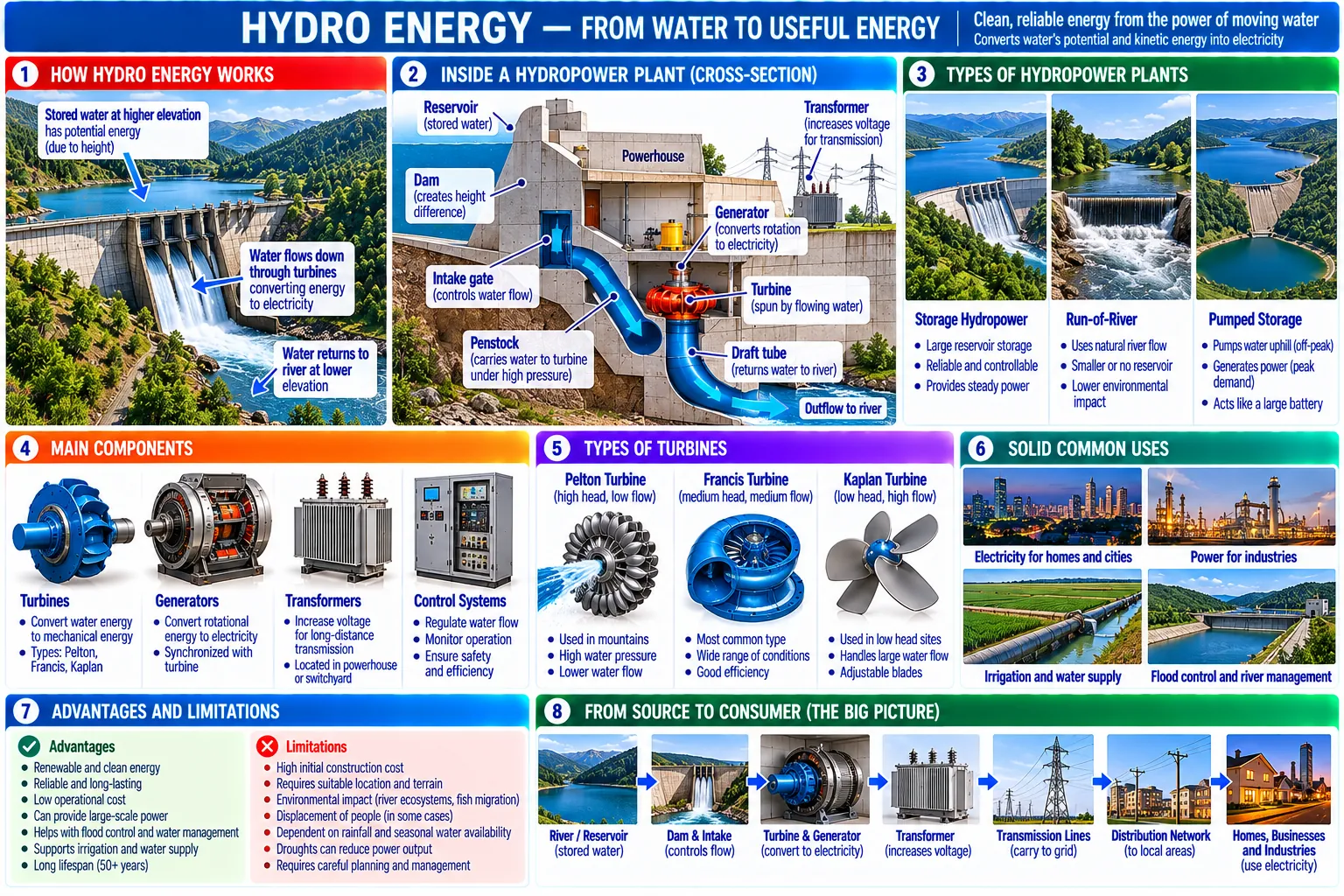
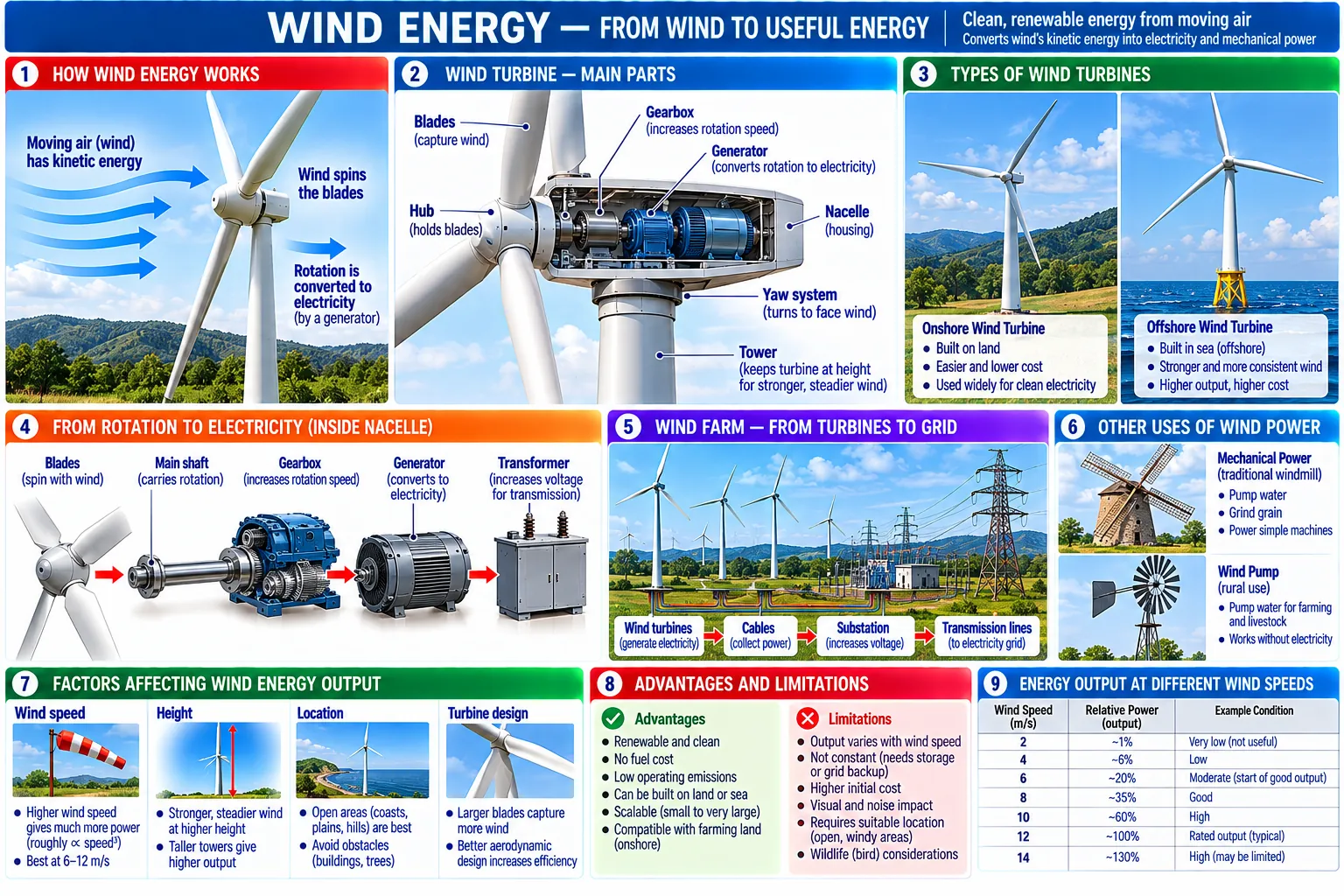
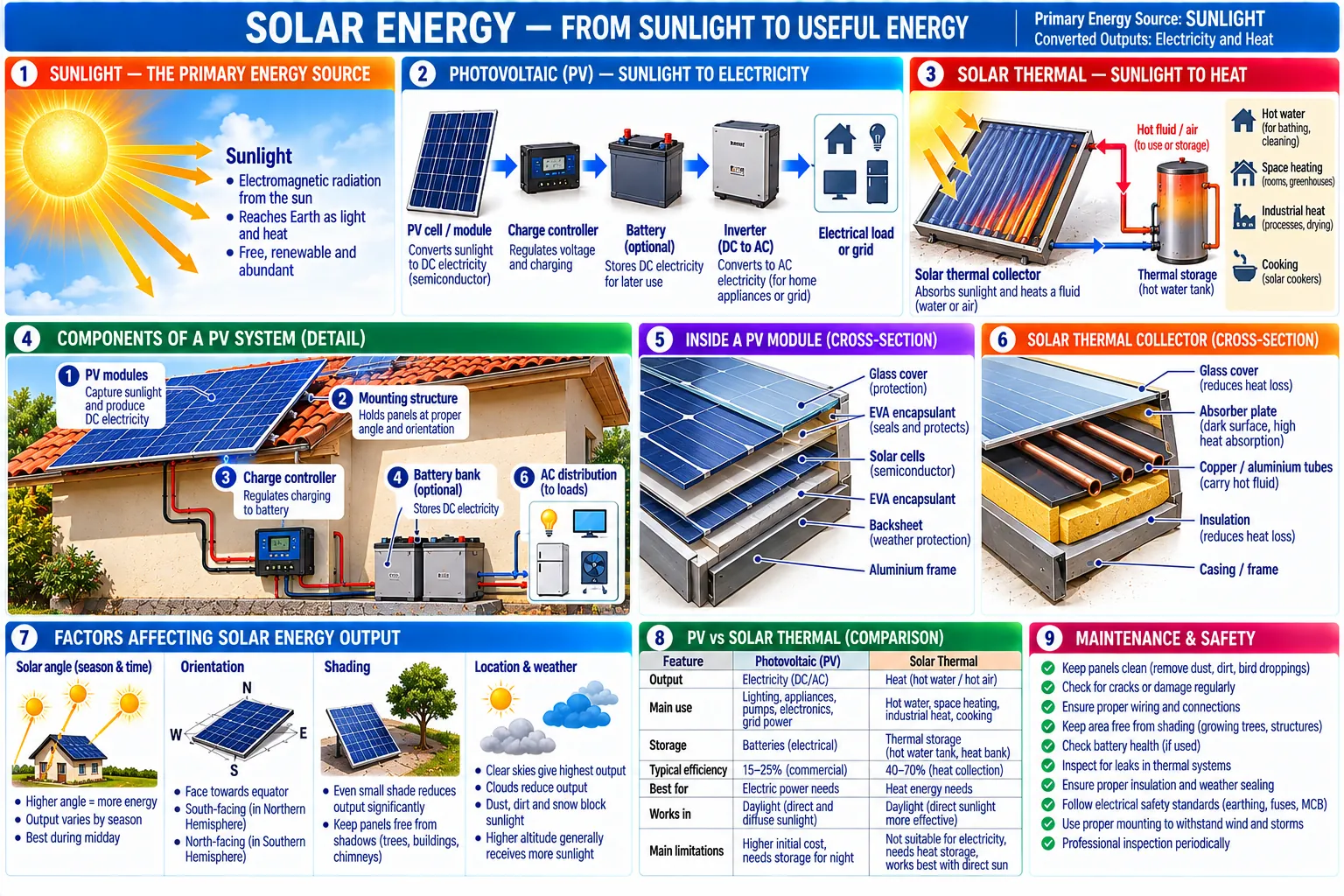
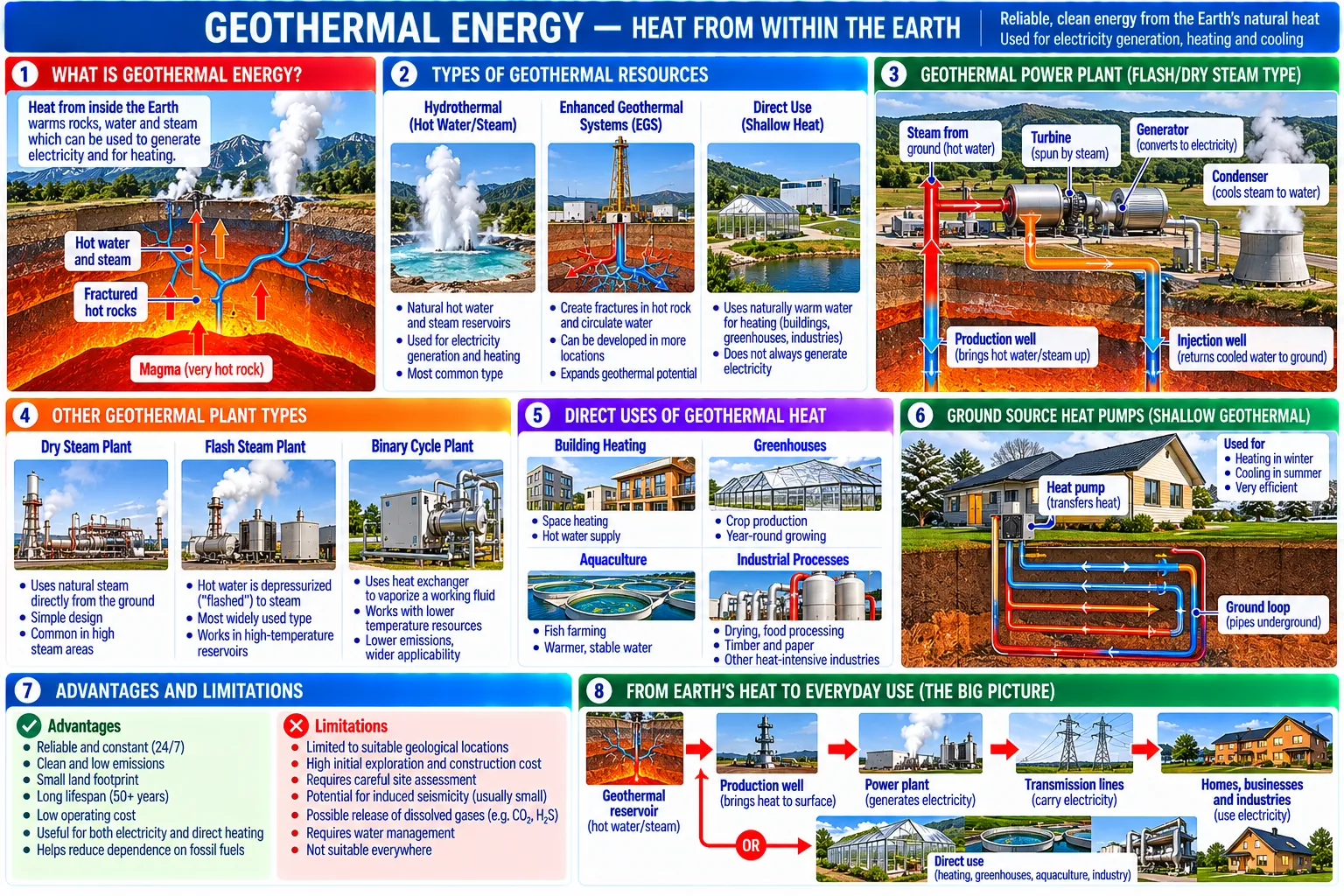
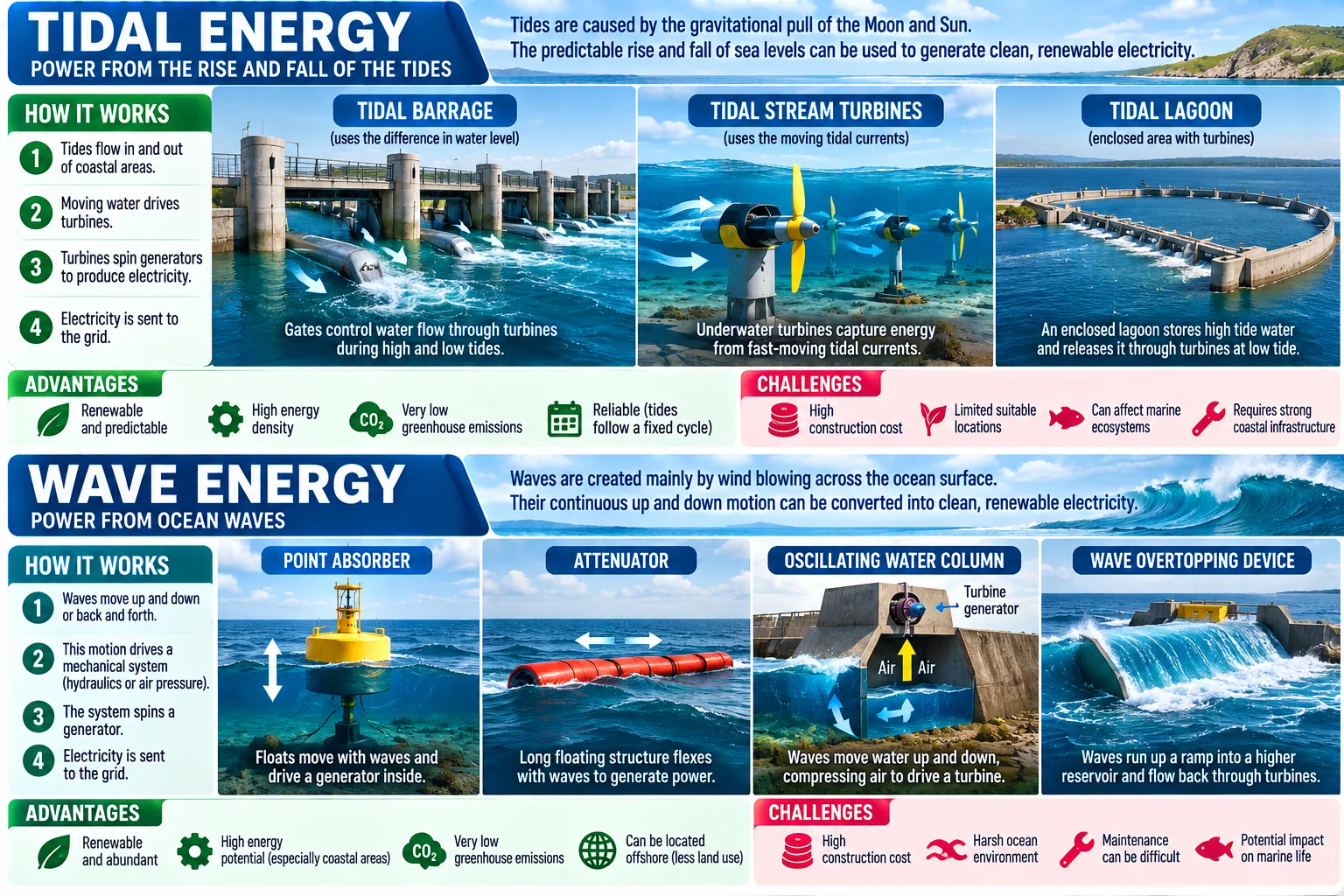
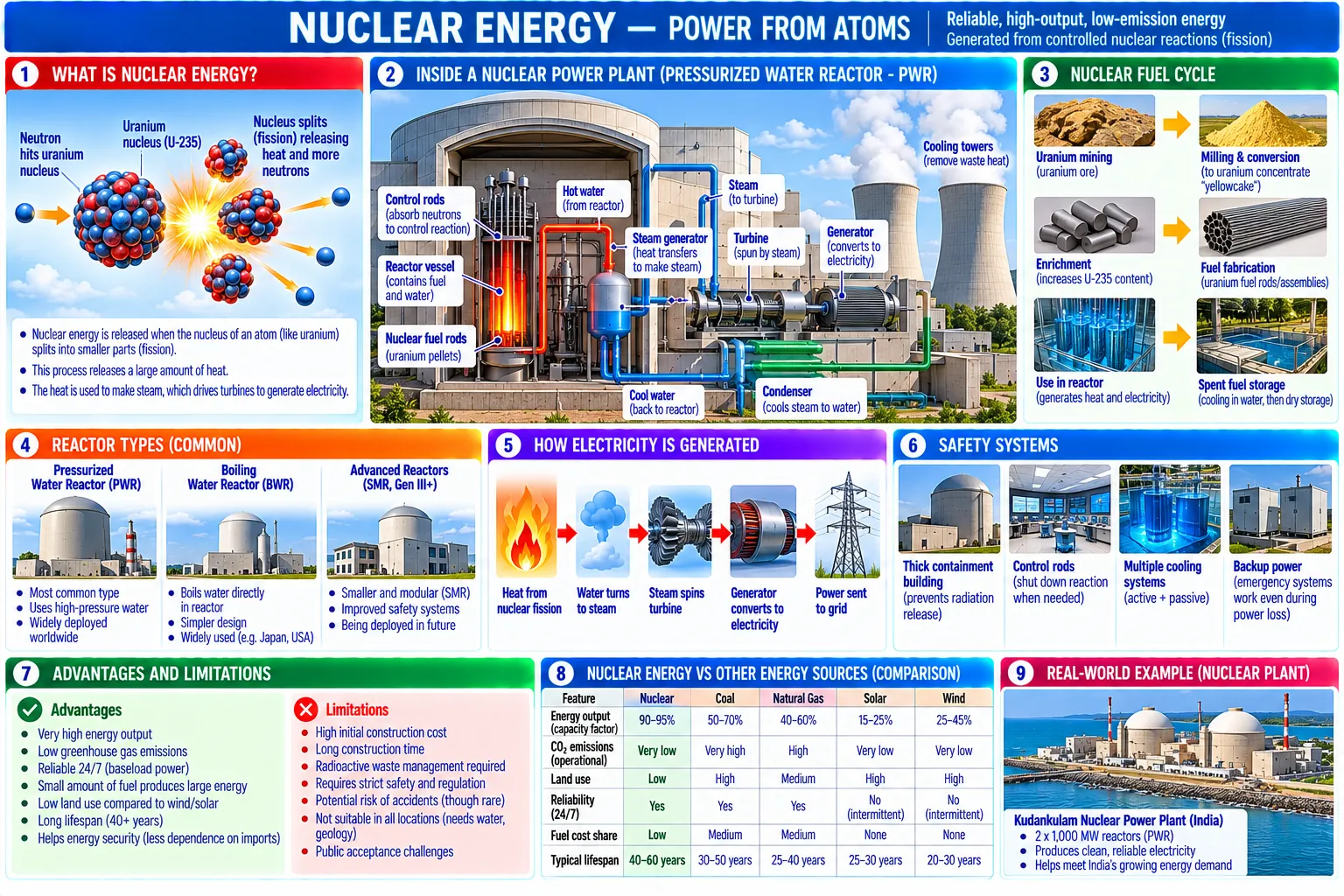
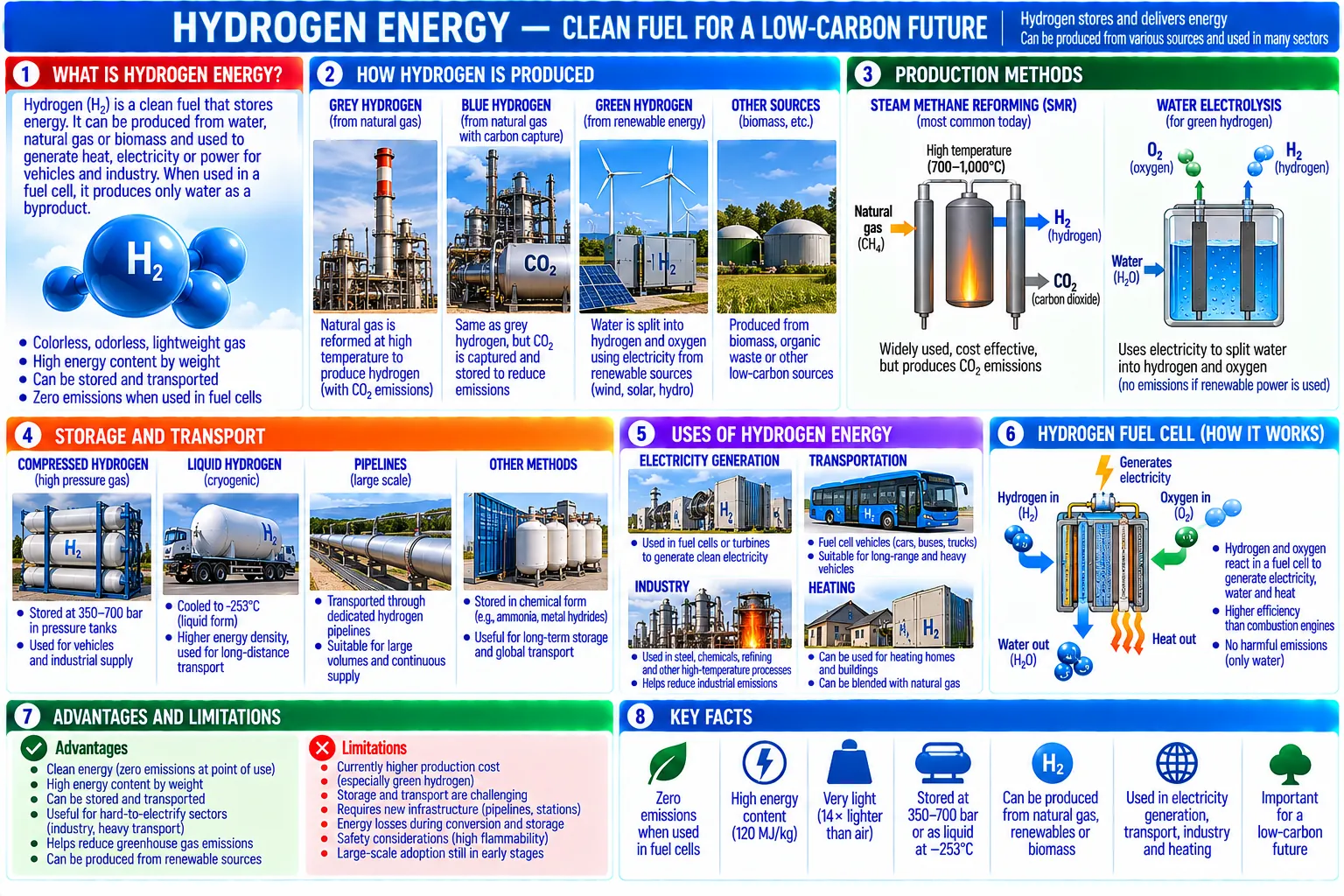
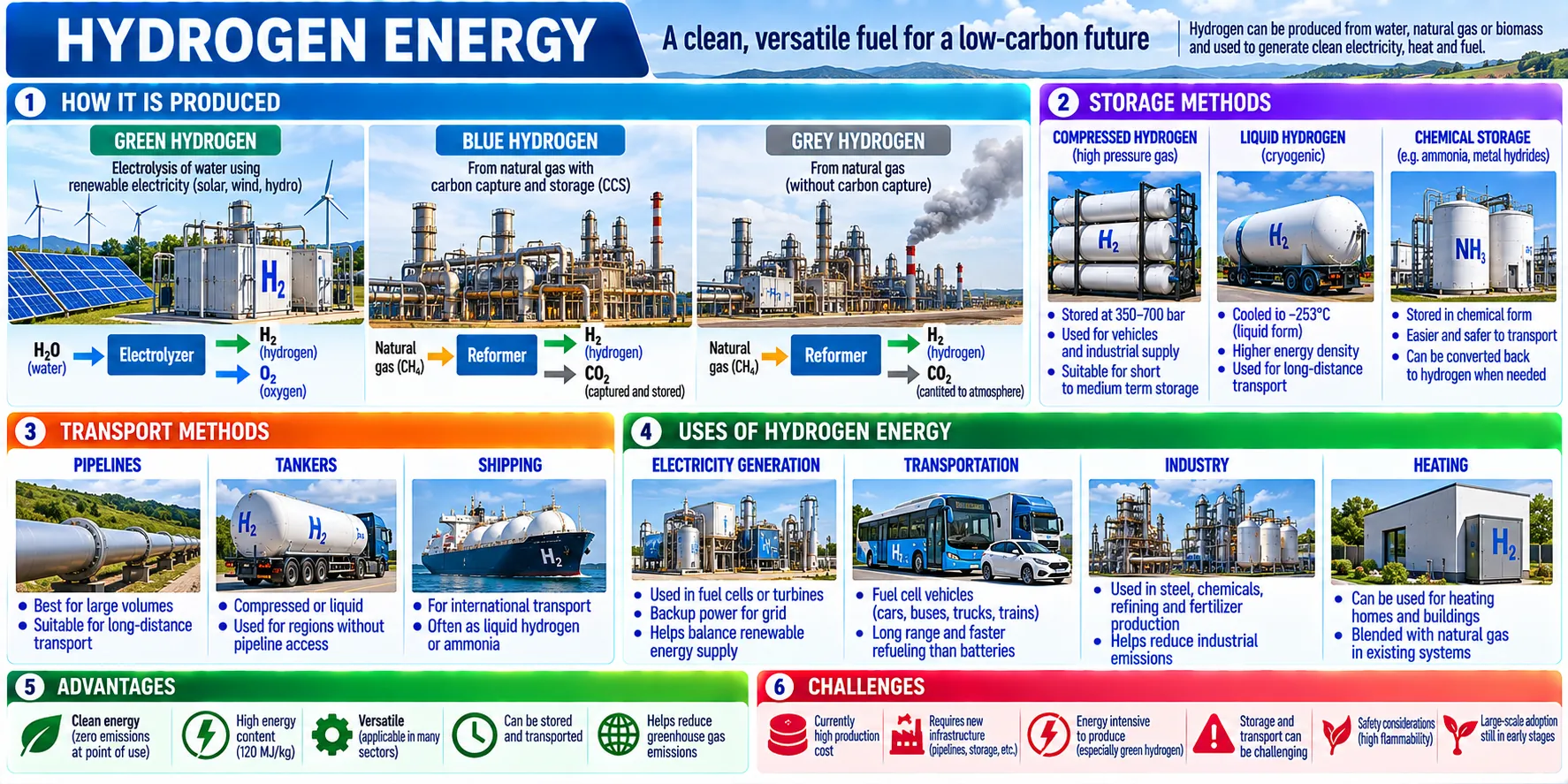
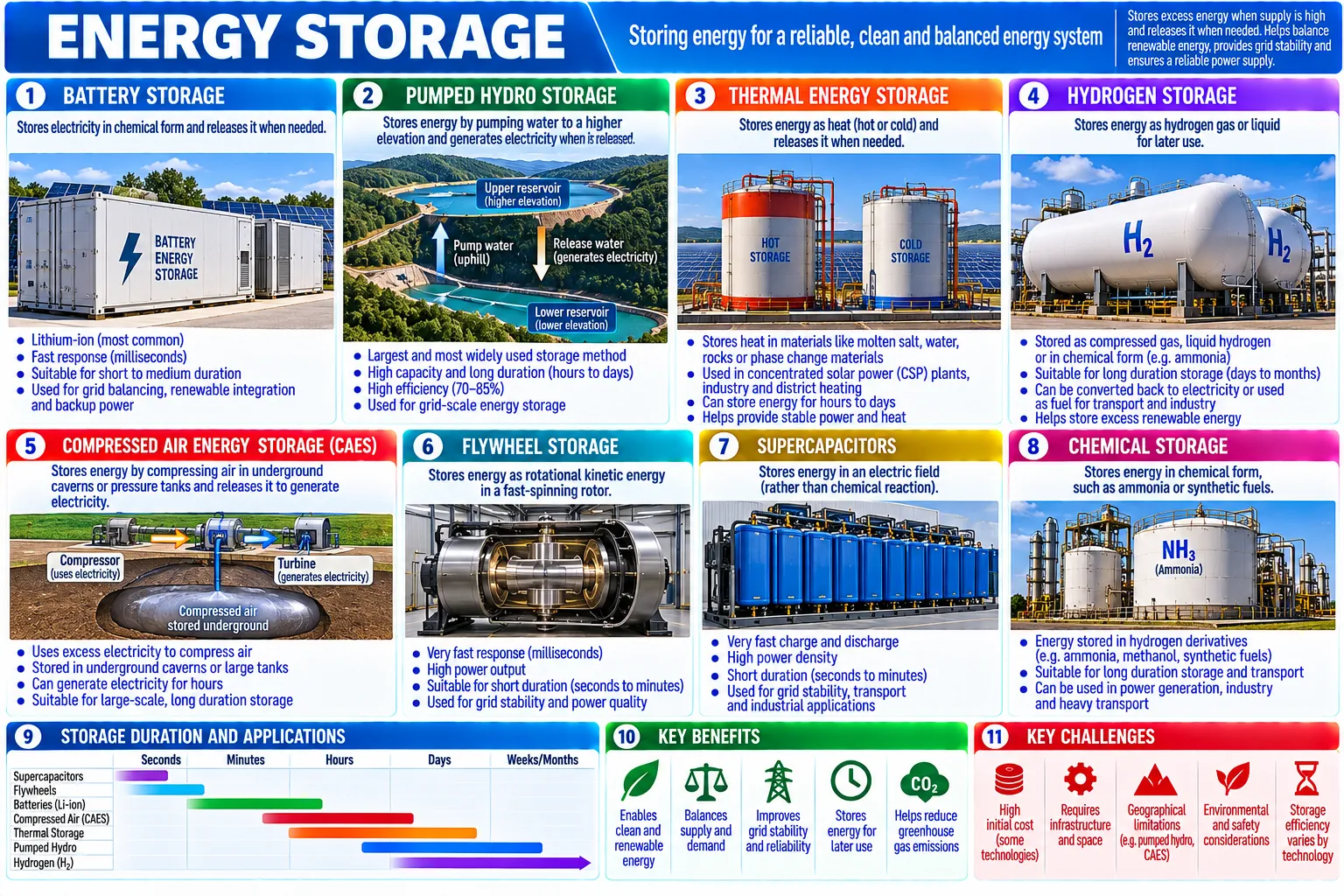
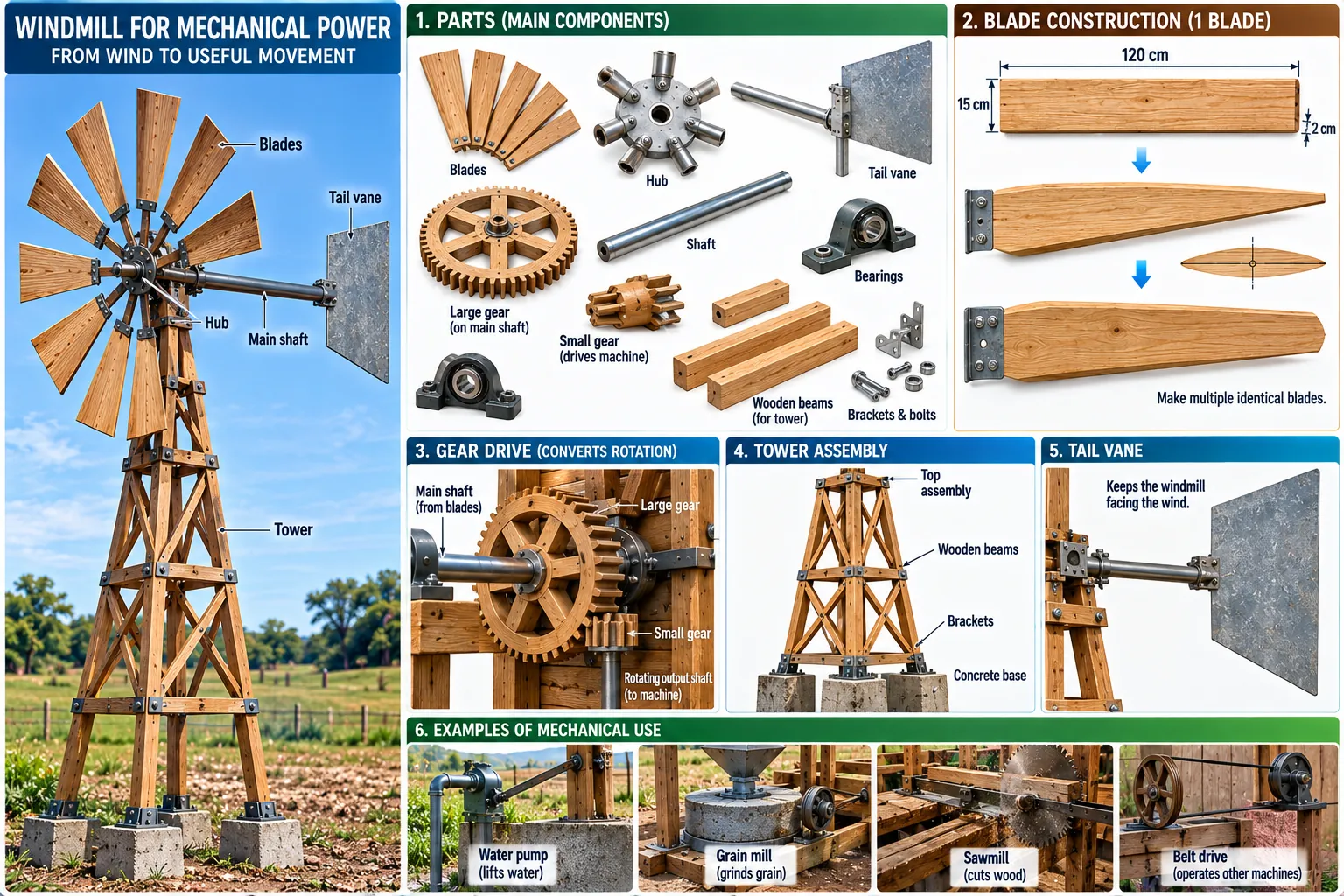
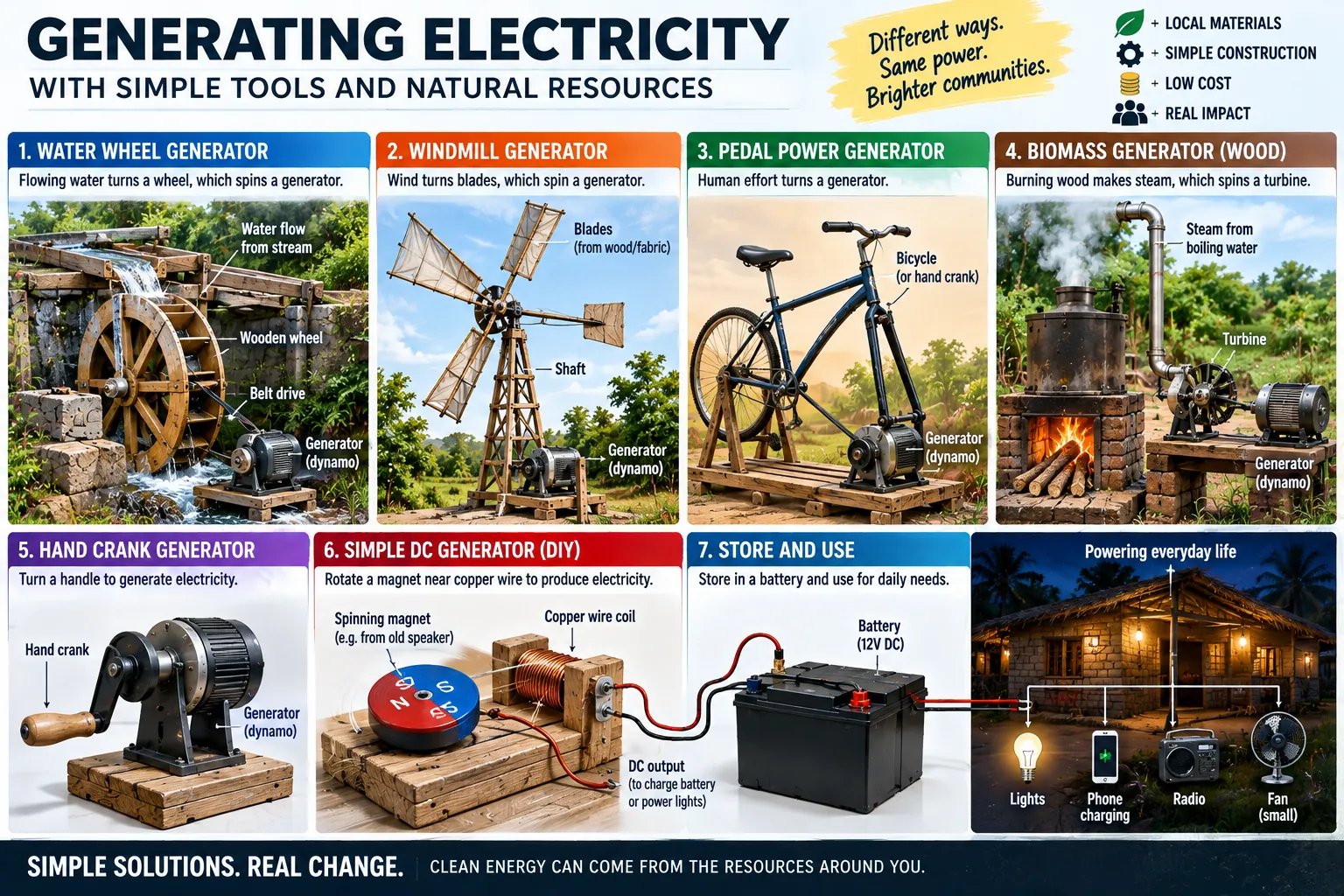
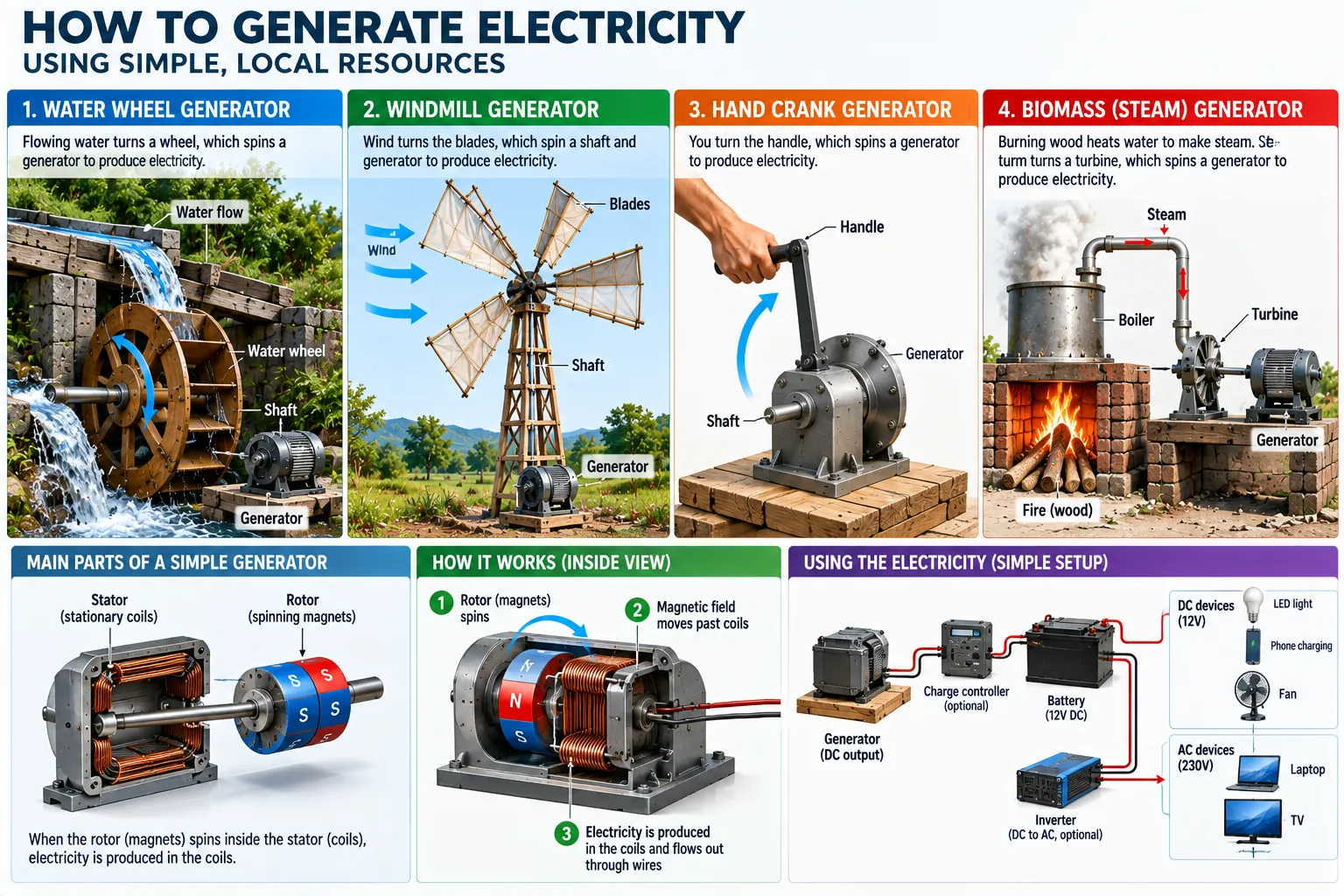
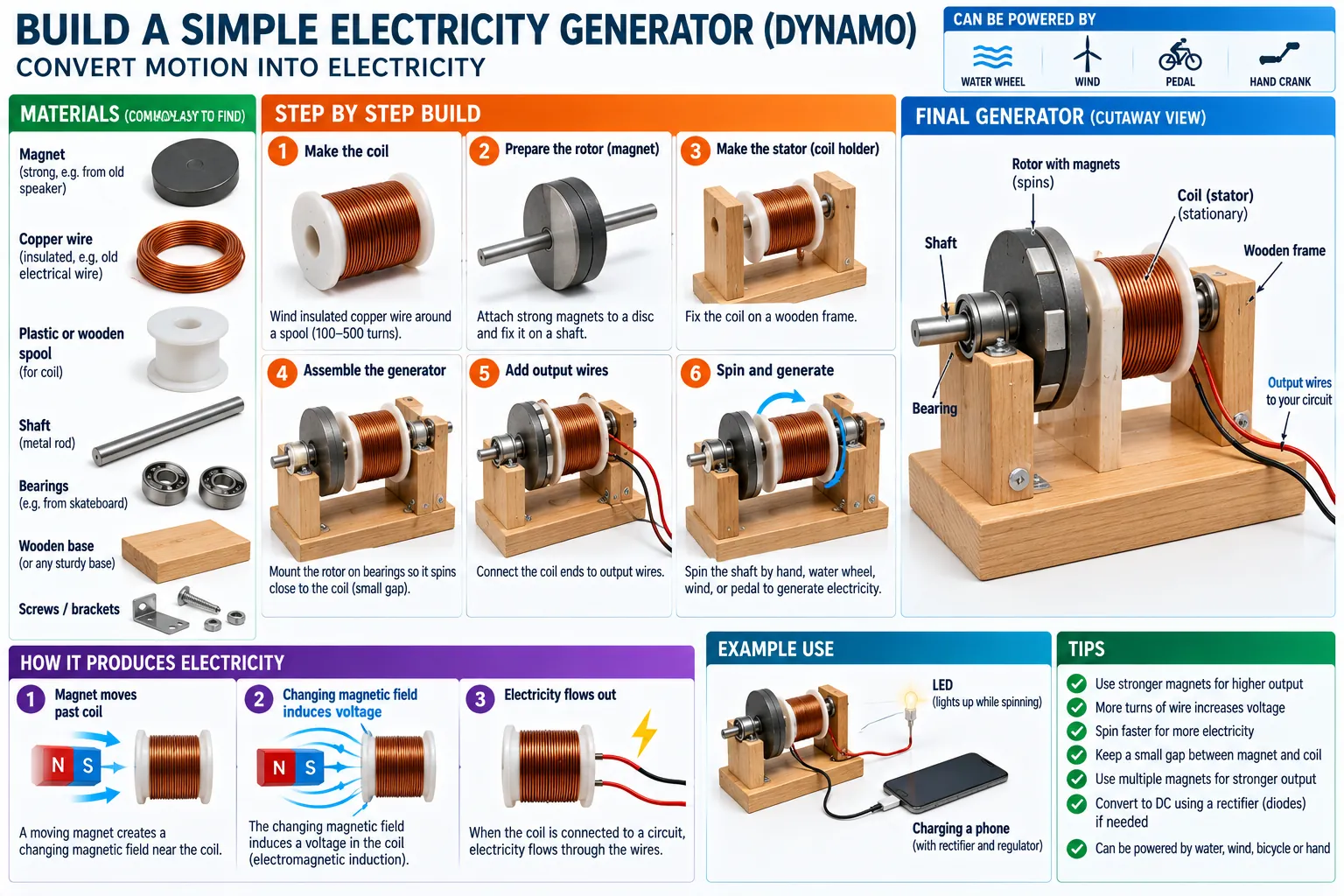
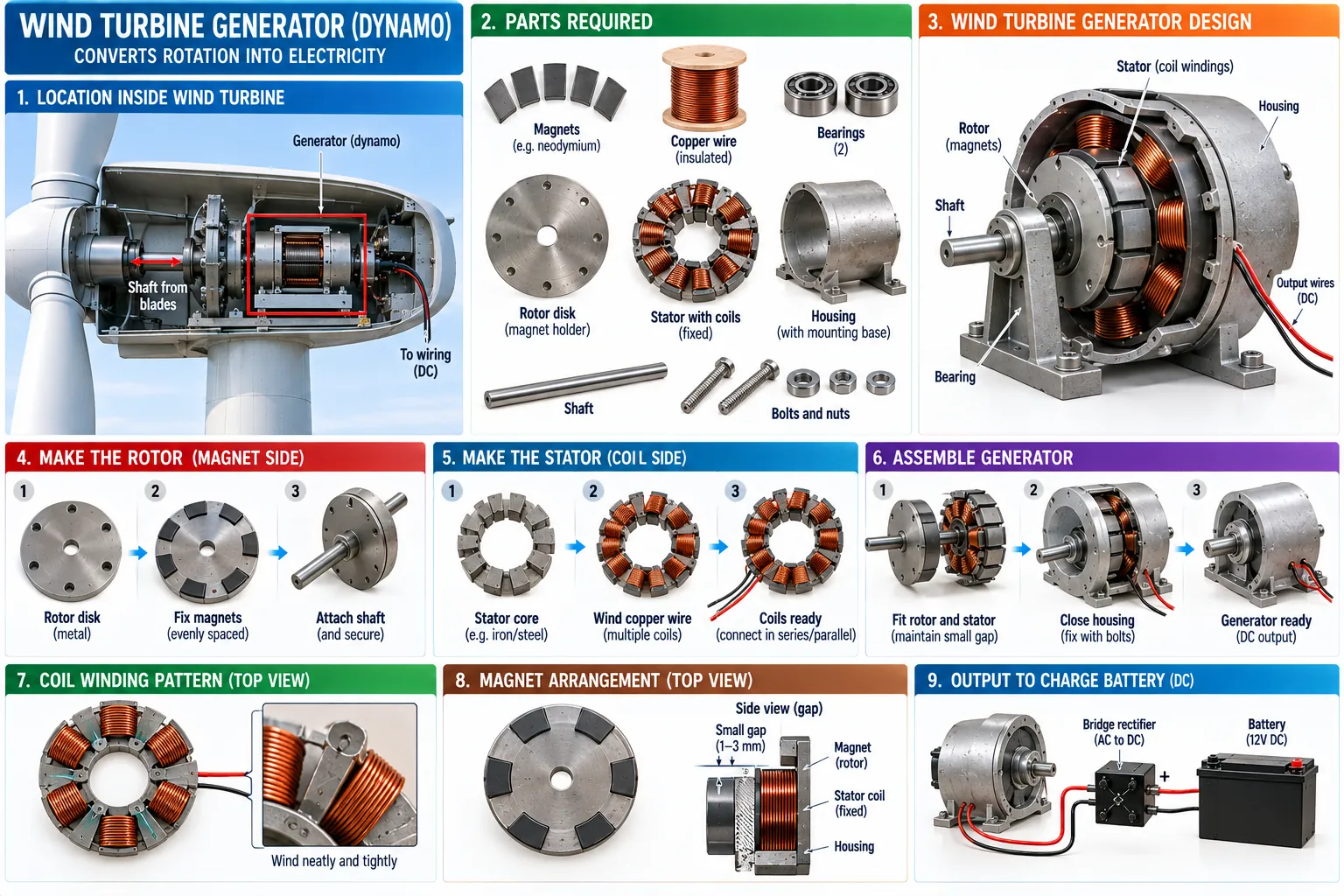
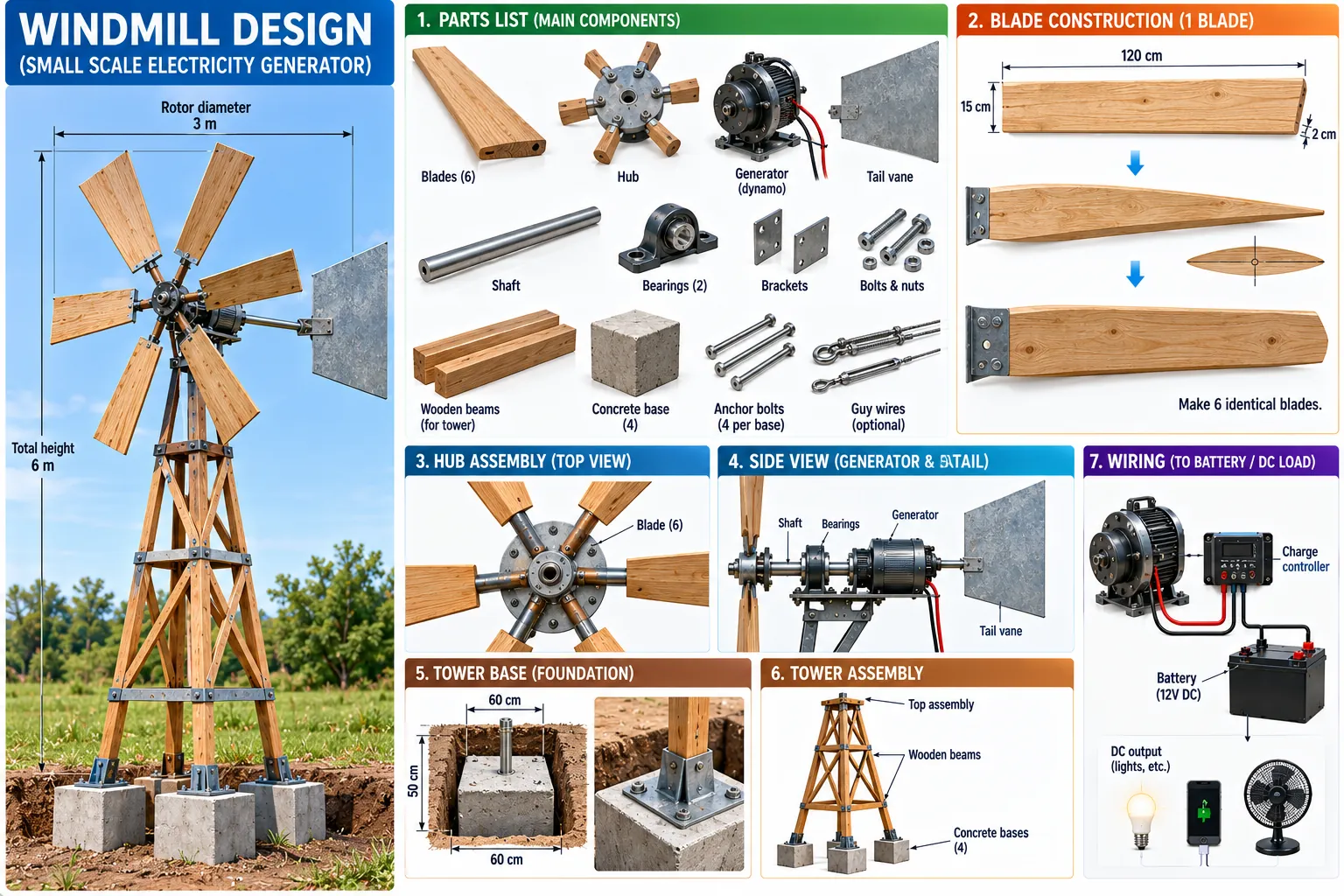
Drawn overview sheets, each with its corrections printed under it. They orient; they are never the thing you identify from.
Books and archives
- Shelters, Shacks and Shanties Daniel Carter Beard · Gutenberg #28255
- The Young Mechanic John Lukin · Gutenberg #60765
- The Chemical History of a Candle Michael Faraday · Gutenberg #14474
- De Re Metallica Georgius Agricola (tr. Herbert Hoover) · Gutenberg #38015
- CD3WD appropriate-technology archive Archive · ~13 GB
- Forge Work William L. Ilgen · Gutenberg #53854
- Principles of Mining Herbert Hoover · Gutenberg #26697
- Creative Chemistry Edwin E. Slosson · Gutenberg #17149
- Steam: Its Generation and Use Babcock & Wilcox Company · Gutenberg #22657
- Rock Blasting George G. André · Gutenberg #55051
- Gas-Engines and Producer-Gas Plants Rodolphe Édouard Mathot · Gutenberg #38415
- Gas and Oil Engines, Simply Explained Walter C. Runciman · Gutenberg #27286
- The Petrol Engine Francis John Kean · Gutenberg #55403
- Wikipedia, offline (Kiwix ZIM) Archive · ~110 GB full with images · ~55 GB no-image · ~5 GB 'best of'
- FAO agricultural documents Archive · ~10 GB
- Hesperian Health Guides Archive · ~50–400 MB
- The Survivor Library Archive · ~100 GB
- Appropedia Archive · ~4 GB
- WHO water, sanitation and health guidance Archive · ~200 MB
- OpenStax textbooks Archive · ~2 GB
- The Mechanical Properties of Wood Samuel J. Record · Gutenberg #12299
- Carpentry Ira Samuel Griffith · Gutenberg #70226
- Woodwork Joints William Fairham · Gutenberg #21531
- A Course in Wood Turning Archie S. Milton · Gutenberg #15460
- USDA / NRCS soil and conservation library Archive · ~5 GB
- Water Supply: the Present Practice of Sinking and Boring Wells Ernest Spon · Gutenberg #45703
- Modern Copper Smelting Donald M. Levy · Gutenberg #59328
- A Text-book of Assaying Cornelius Beringer · Gutenberg #18751
- Non-Technical Chats on Iron and Steel La Verne W. Spring · Gutenberg #73090
- The Working of Steel: Annealing, Heat Treating and Hardening Fred H. Colvin · Gutenberg #20282
- Water Power for the Farm and Country Home David R. Cooper · Gutenberg #62117
- The Miller in Eighteenth-Century Virginia Thomas K. Ford · Gutenberg #58036
- Shafting, Pulleys, Belting and Rope Transmission Hubert E. Collins · Gutenberg #61123
- Windmills, Picturesque and Historic F. H. Shelton · Gutenberg #54075
- Mechanics: The Science of Machinery A. Russell Bond · Gutenberg #49445
- Descriptive Pamphlet of the Richmond Mill Furnishing Works Richmond Mill Furnishing Works · Gutenberg #51500
- The Slide Valve, Simply Explained W. J. Tennant · Gutenberg #76510
- Turning and Boring Franklin D. Jones · Gutenberg #34030
- Modern Machine-Shop Practice (Vols I & II) Joshua Rose · Gutenberg #39225
- Records of Steam Boiler Explosions Edward B. Marten · Gutenberg #47762
- Reflections on the motive power of heat Sadi Carnot · Gutenberg #78610
- Electricity for the Farm Frederick Irving Anderson · Gutenberg #27257
- Hawkins Electrical Guide, Vol. 1 Nehemiah Hawkins · Gutenberg #38384
- How to Make Electrical Machines R. A. R. Bennett · Gutenberg #44462
- The Boy Electrician Alfred Powell Morgan · Gutenberg #63207
- LibreTexts Archive · ~15 GB
- Newton's Principia: The mathematical principles of natural philosophy Isaac Newton · Gutenberg #76404
- Treatise on Light Christiaan Huygens · Gutenberg #14725
- Experimental Researches in Electricity, Volume 1 Michael Faraday · Gutenberg #14986
- Wood Handbook (USDA Forest Products Laboratory) Archive · one PDF book
- Pumps and Hydraulics (Part 1) N. Hawkins · Gutenberg #56339
- Elements of Arithmetic Augustus De Morgan · Gutenberg #68662
- The Story of the Soil Cyril G. Hopkins · Gutenberg #4527
- The Telescope Louis Bell · Gutenberg #53740
- Electric Bells and All About Them S. R. Bottone · Gutenberg #39053
- The Automobile Storage Battery: Its Care And Repair Otto A. Witte · Gutenberg #29718
- Outspinning the Spider: The Story of Wire and Wire Rope John Kimberly Mumford · Gutenberg #46376
- Calculus Made Easy Silvanus P. Thompson · Gutenberg #33283
- Elements of Chemistry, In a New Systematic Order, Containing all the Modern Discoveries Antoine Laurent Lavoisier · Gutenberg #30775
- On the Construction of a Silvered Glass Telescope Henry Draper · Gutenberg #53542