How-to
The ladder says store grain dry, cool and rodent-proof. That is a specification, not an instruction. These pages are the instruction: dimensioned drawings, a bill of materials, the tolerances that decide it, and the ways each one fails.
Water & Sanitation
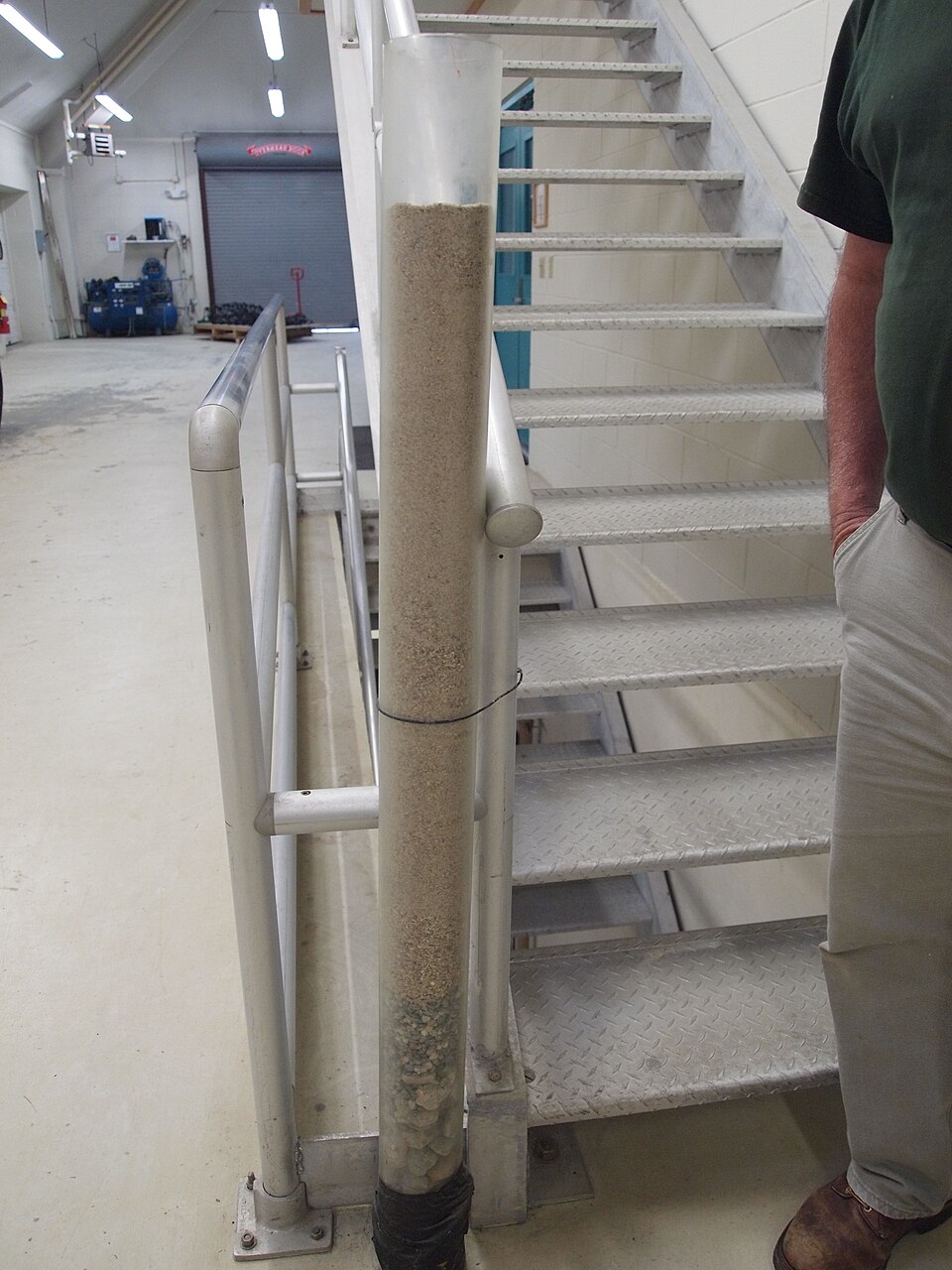
Clean drinking water with no chemicals, no power and no moving parts — the highest lives-saved-per-effort structure on this site.
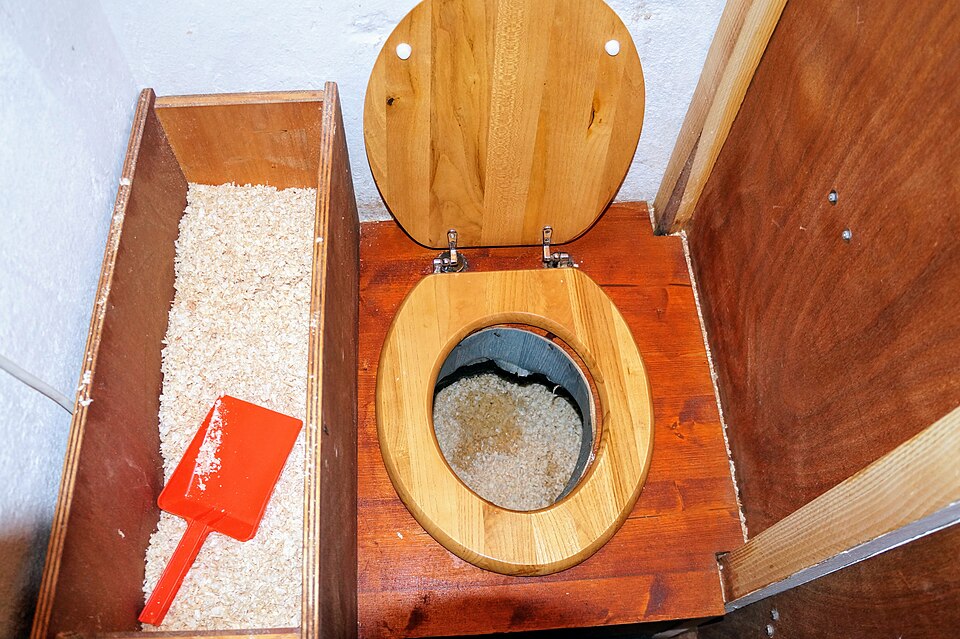
Break the faecal–oral route and return the nutrients — the highest lives-saved-per-effort structure a settlement can build.
Food & Agriculture
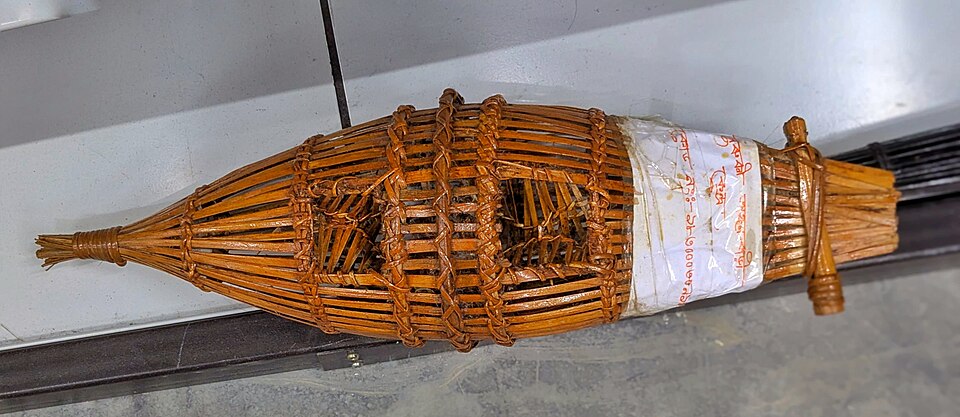
A woven basket that fishes all night while you sleep — the highest return-per-hour food gear in tier 0.
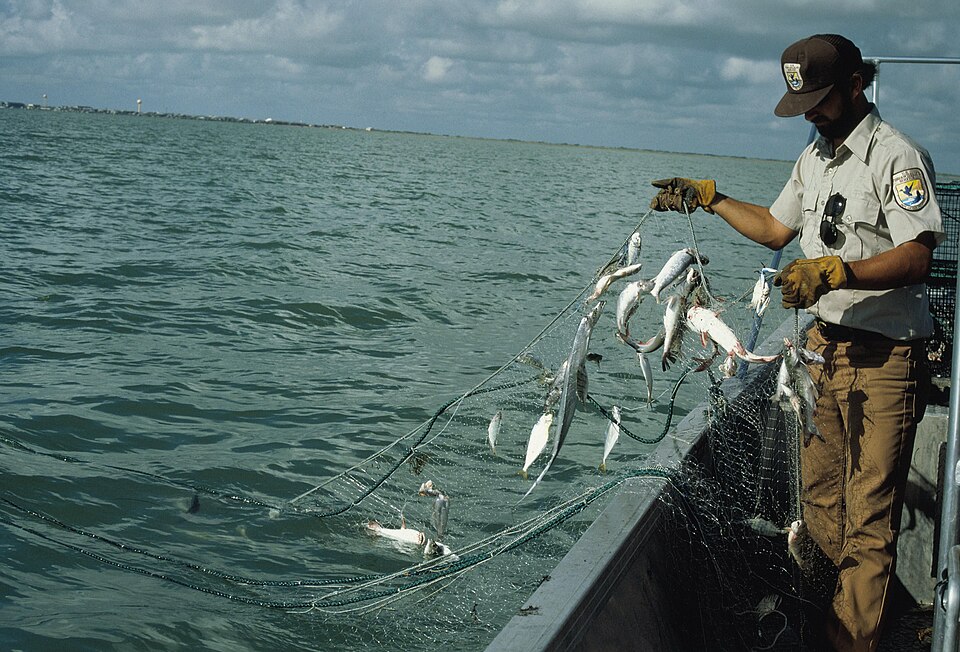
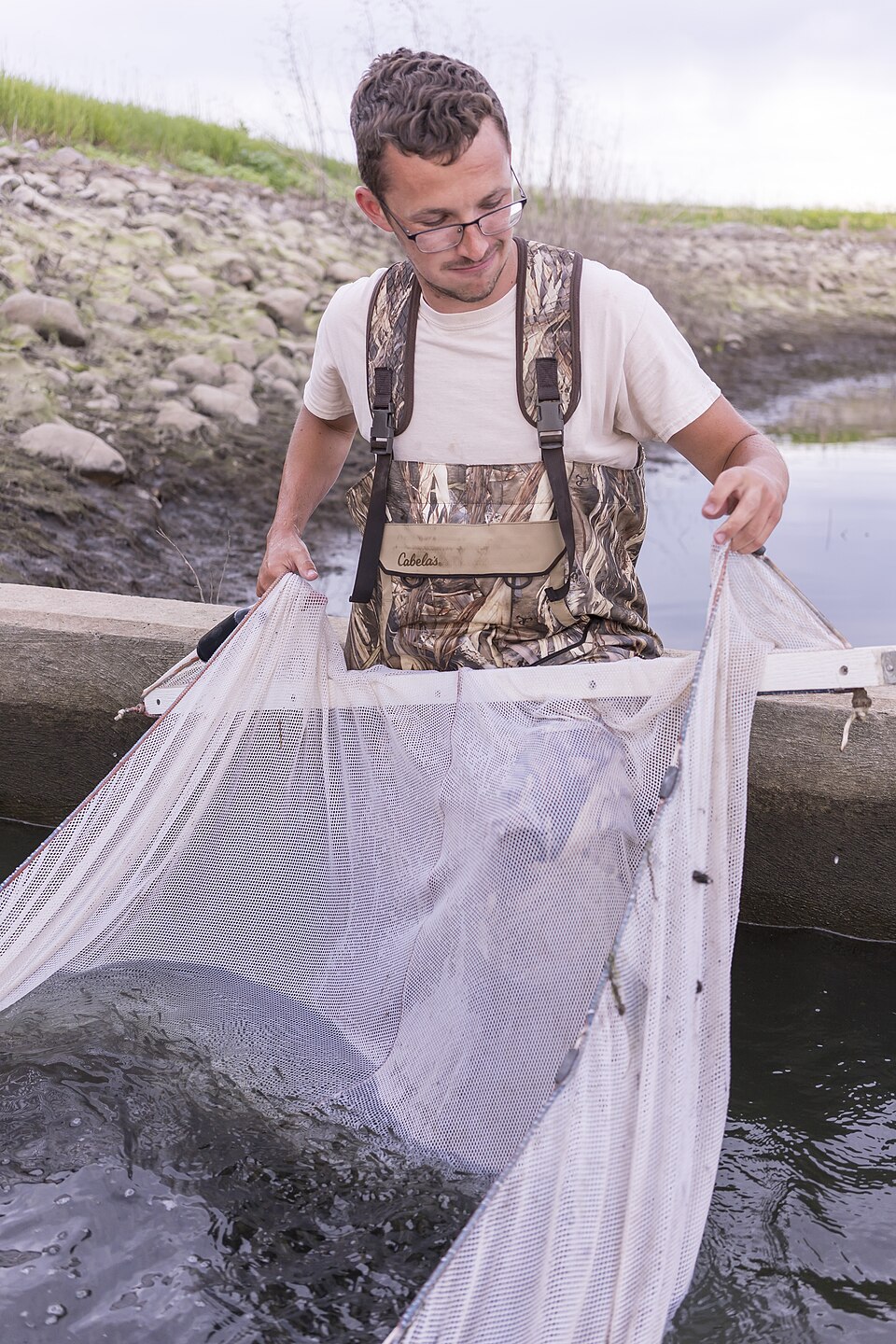
A wall of near-invisible mesh that fishes a whole channel while you do something else.
A 20 × 20 m earthen pond with rammed dikes, a screened inlet and a wooden monk: filled and drained by gravity, manured from the farm, and harvested every six months.
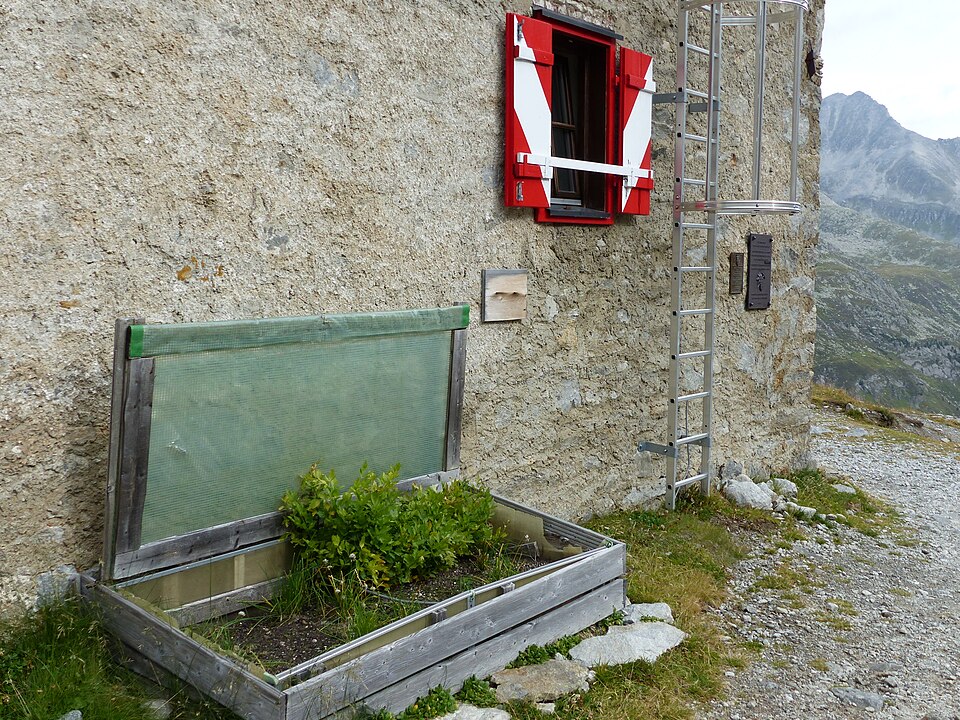
A glazed box that starts seedlings weeks early, and the same box over a pit of rotting manure that warms the soil from below.
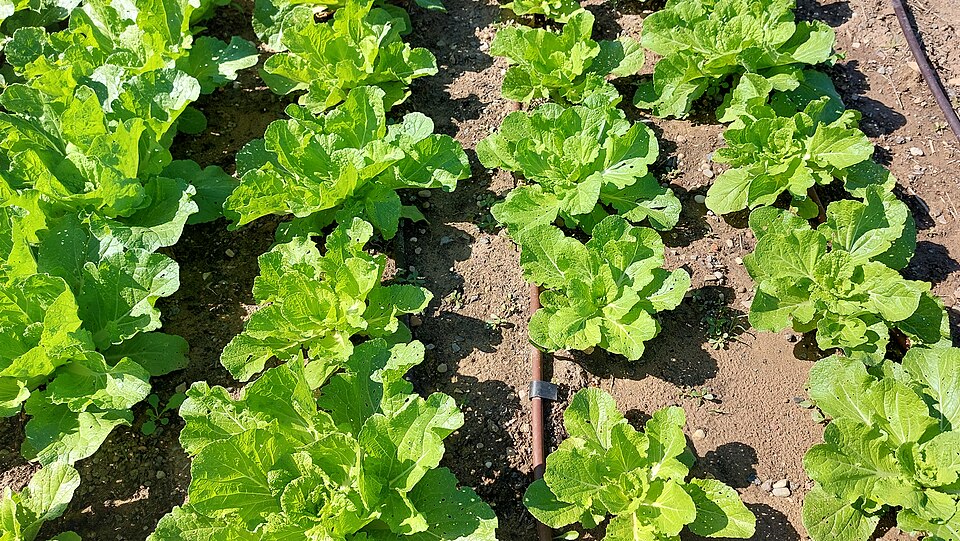
A covered tank 1–1.5 m up, a valve, a 120-mesh filter, a 25 mm main and 8 mm dripper lines: drip irrigation for a family plot by gravity, with no pump and no power.
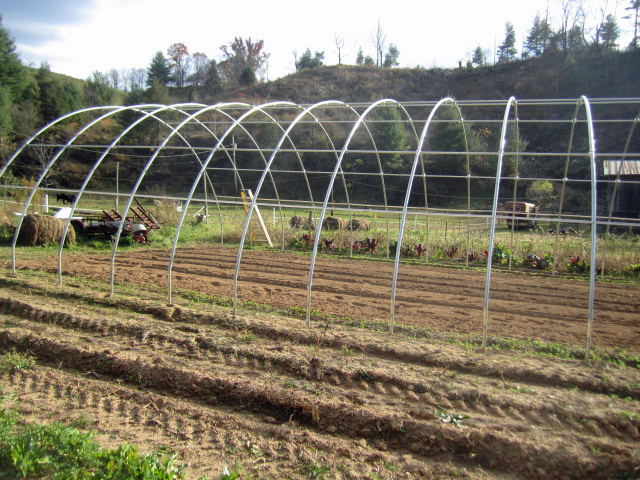
Steel bows on ground posts under one layer of greenhouse film, with sides that roll up: weeks added to both ends of the season, in the field's own soil.
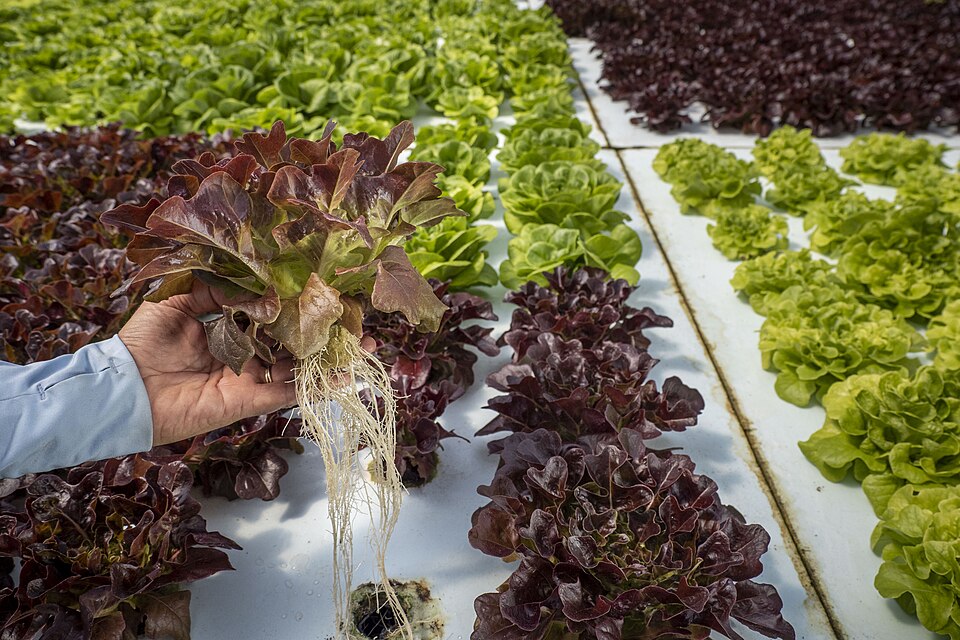
Eight covered channels 6 m long on a bench falling 2 %, a pump in a covered tank, and a film of solution 1–2 mm deep: lettuce without soil in 30–50 days.
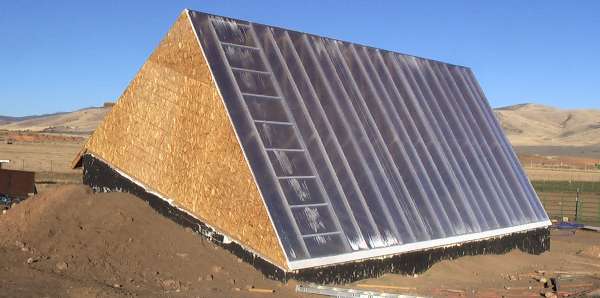
A greenhouse that heats itself: a heavy, insulated wall on the side away from the sun, film on the sunny side, and a blanket over the film at night.
Shelter & Architecture
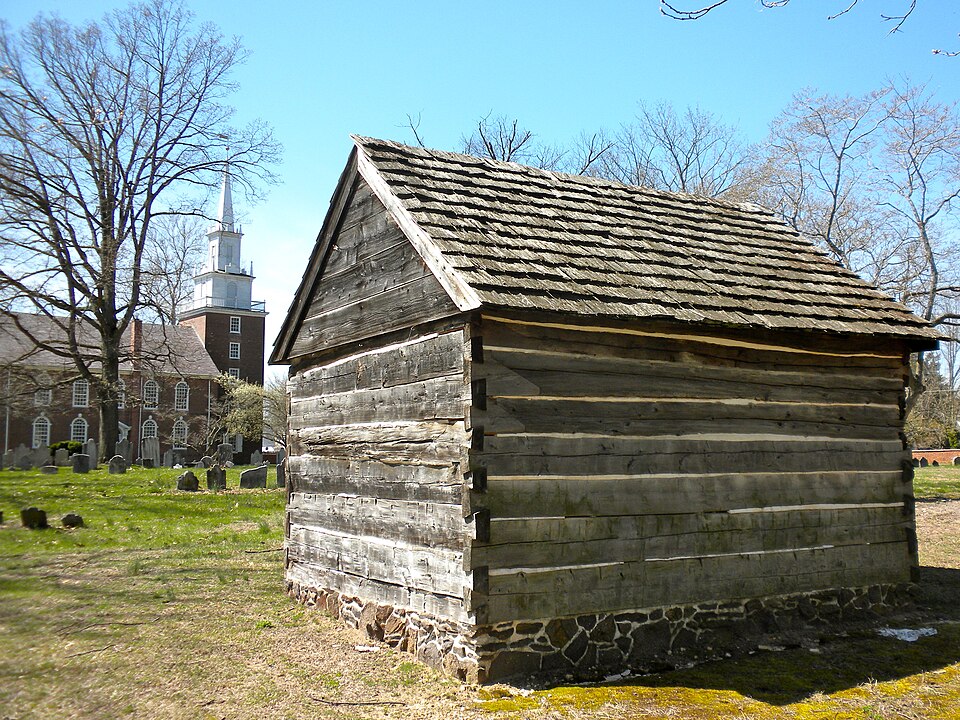
Where straight timber grows and there is no clay or stone, the fastest permanent walls an axe can raise: structure, enclosure and insulation in one piece.
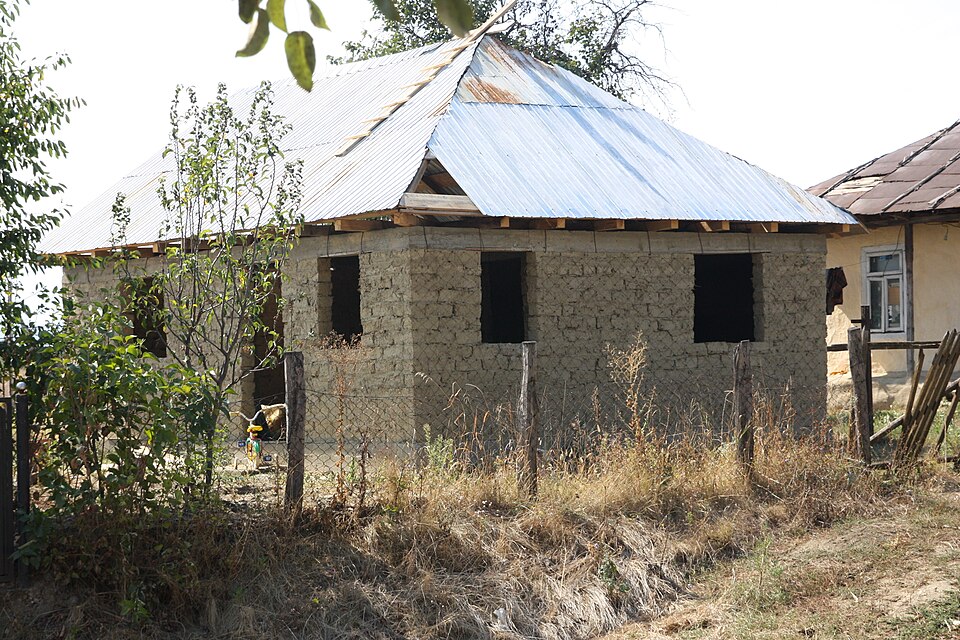
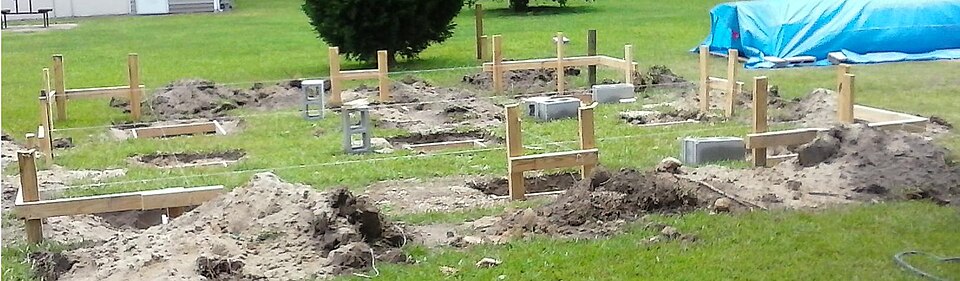
Sun-dried earth blocks on a stone plinth under a thatched roof, 4.0 × 3.6 m inside — the worked example for the building guide, from pegs in the ground to the first winter.
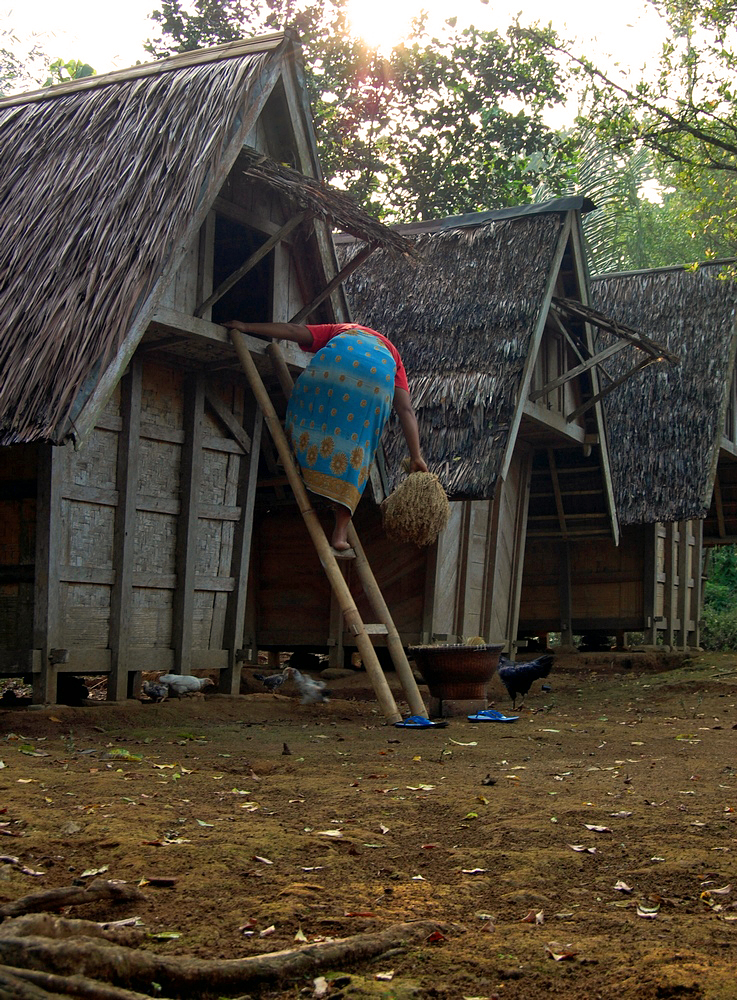
Keep a year of grain dry, cool and away from rodents — the single highest-return building on the site.
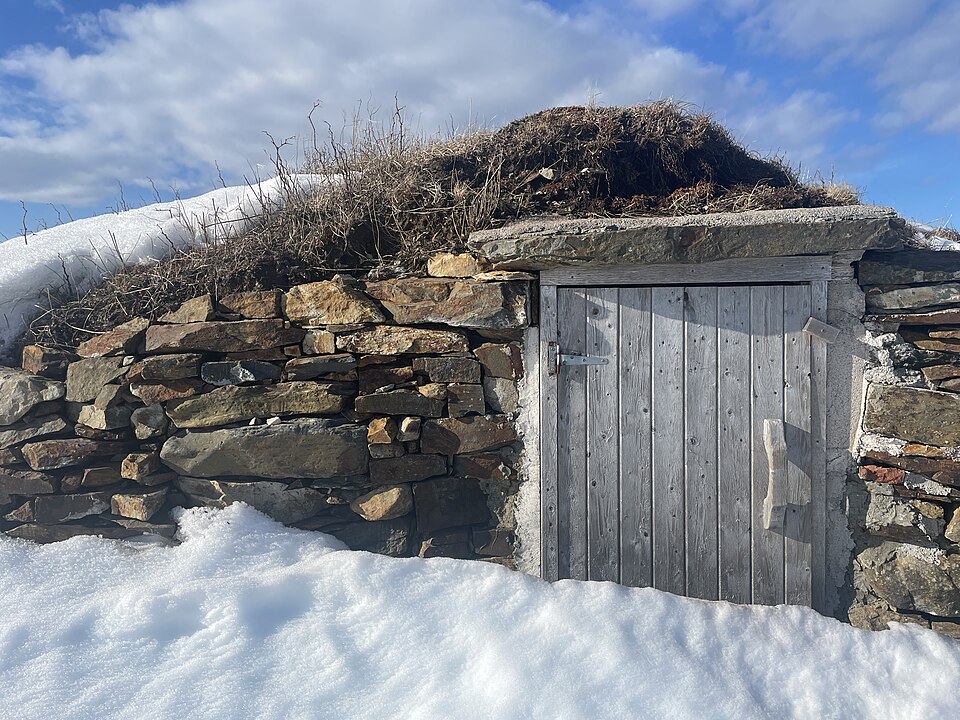
Cold, damp and dark, without power — how a harvest survives to the following spring.
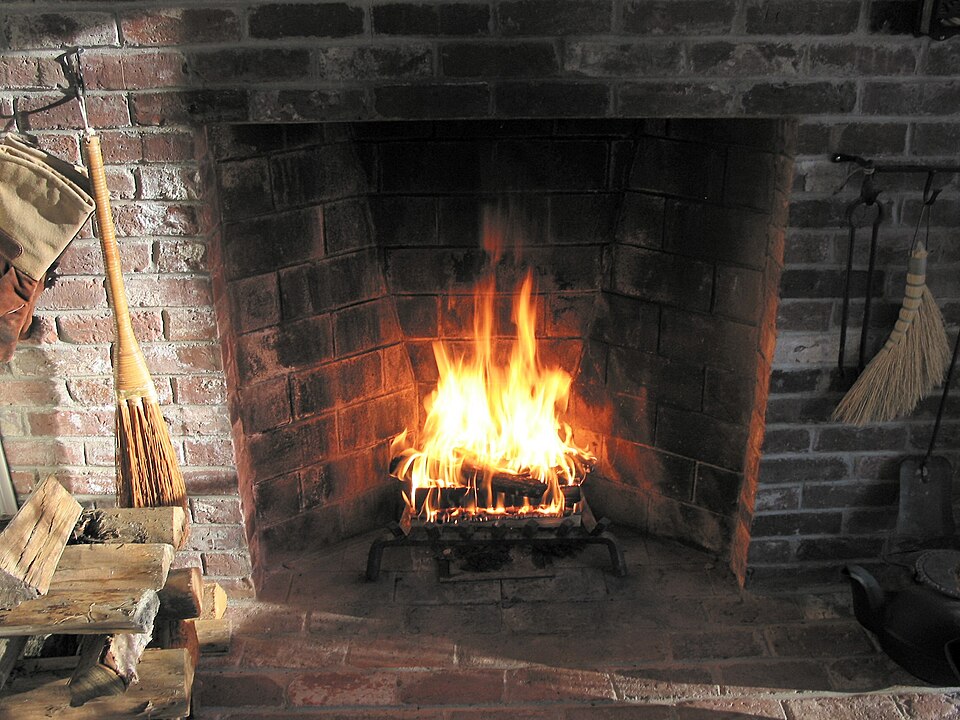
A fireplace that throws its heat into the room and a lined flue that takes every trace of smoke out of the house: the part of a house most likely to burn it down or poison the people in it.
Settlements & Planning
Energy
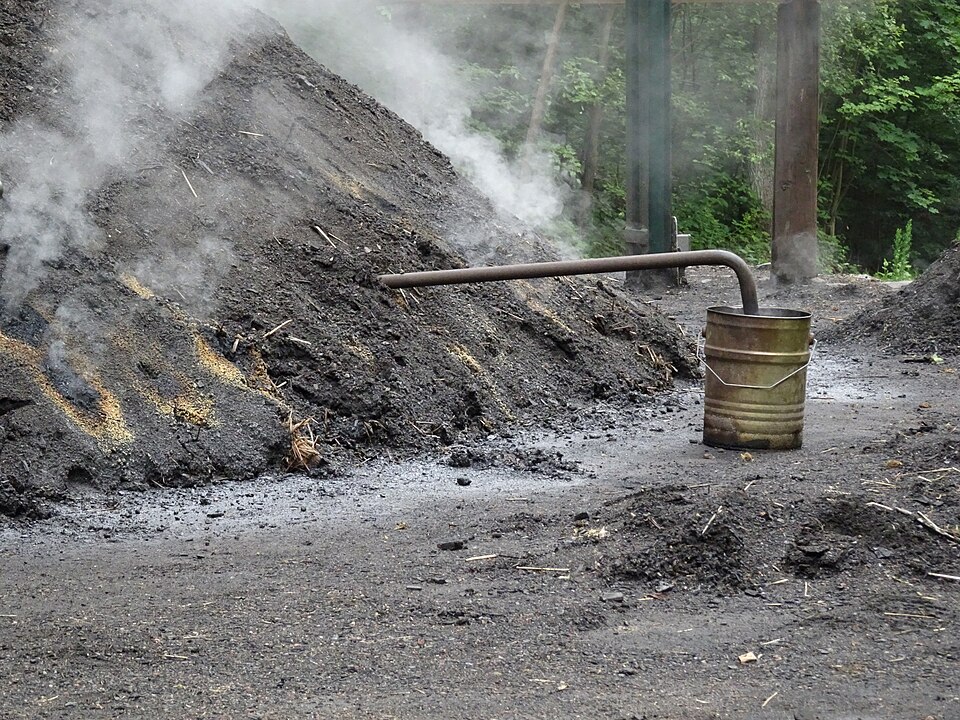
Turn wood into the fuel that reaches smelting heat — no kiln, no metal, just a stack, a cover and a week of attention.
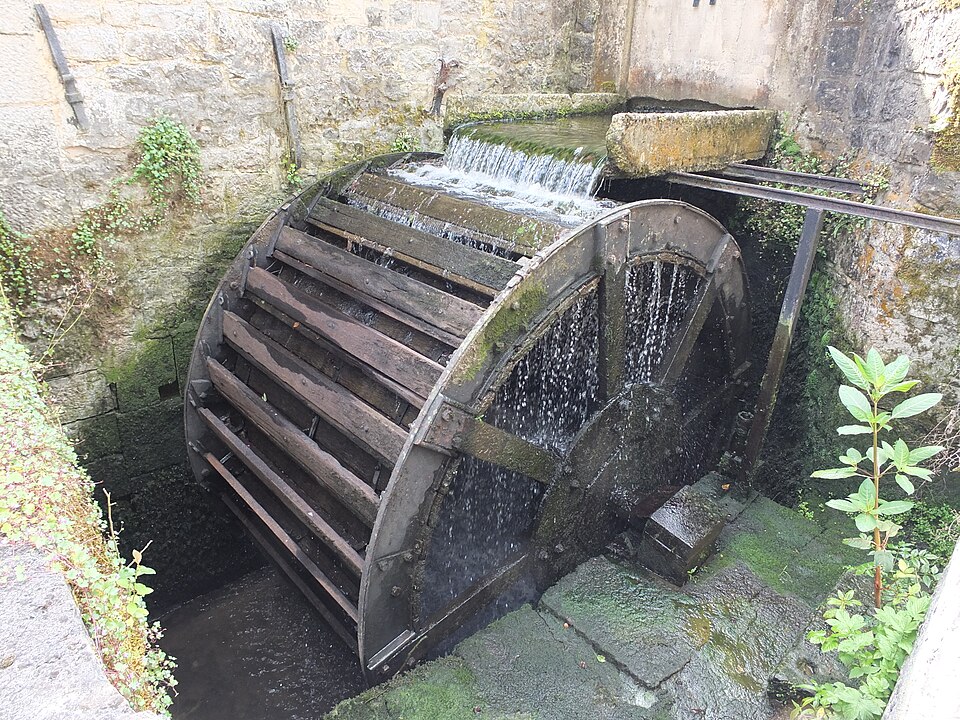
A few kilowatts, day and night, without eating — the first energy surplus large enough to support full-time specialists.
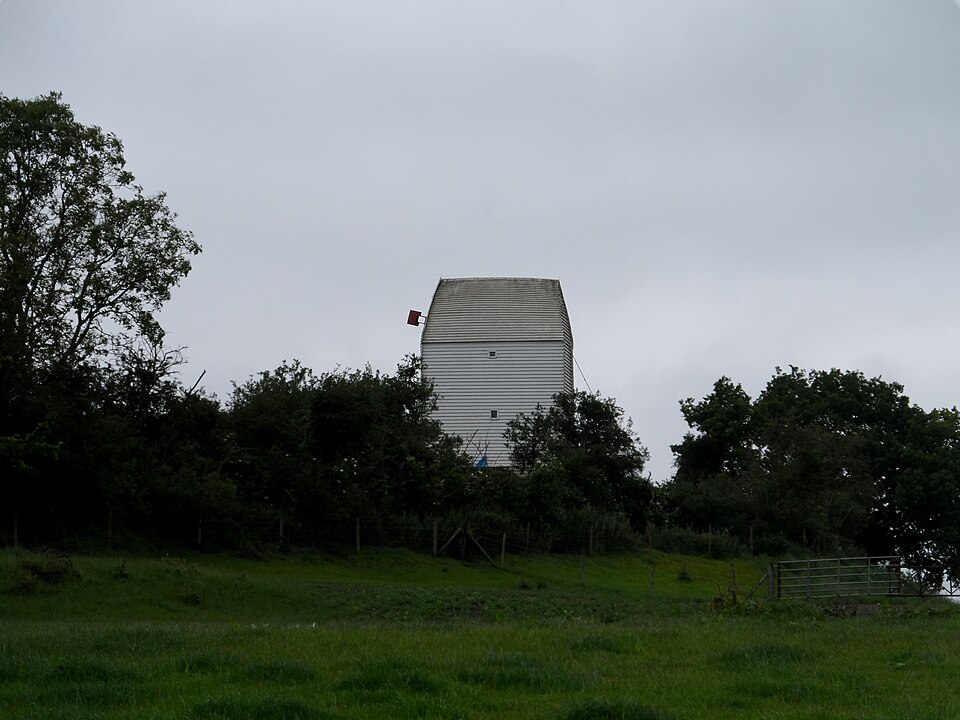
A whole building balanced on one oak post so it can be turned to face the wind — the first machine that let a settlement mill grain where there was no falling water.
Materials & Chemistry
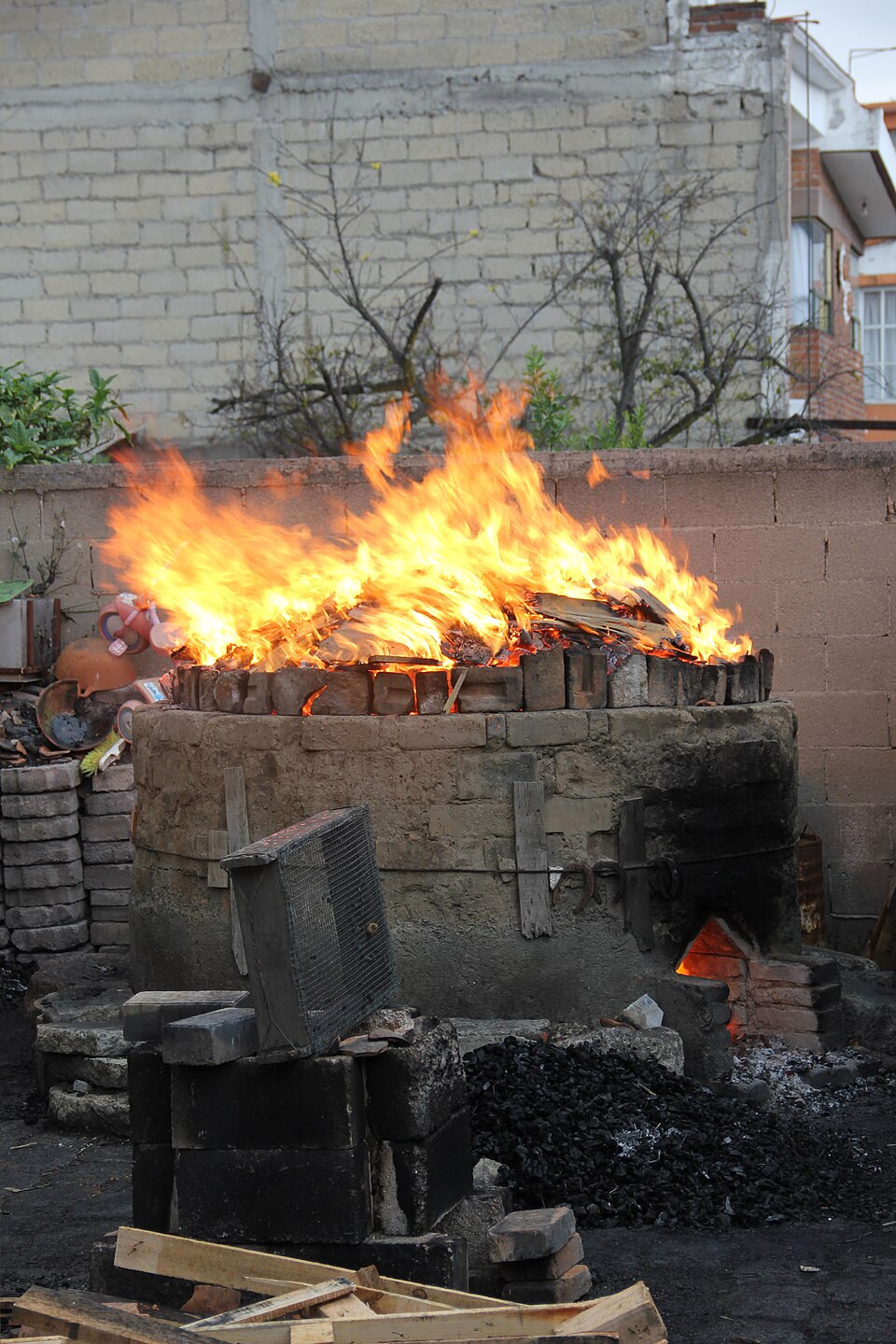
The first machine that holds a temperature — pottery, brick and tile, and the training ground for every furnace above it.
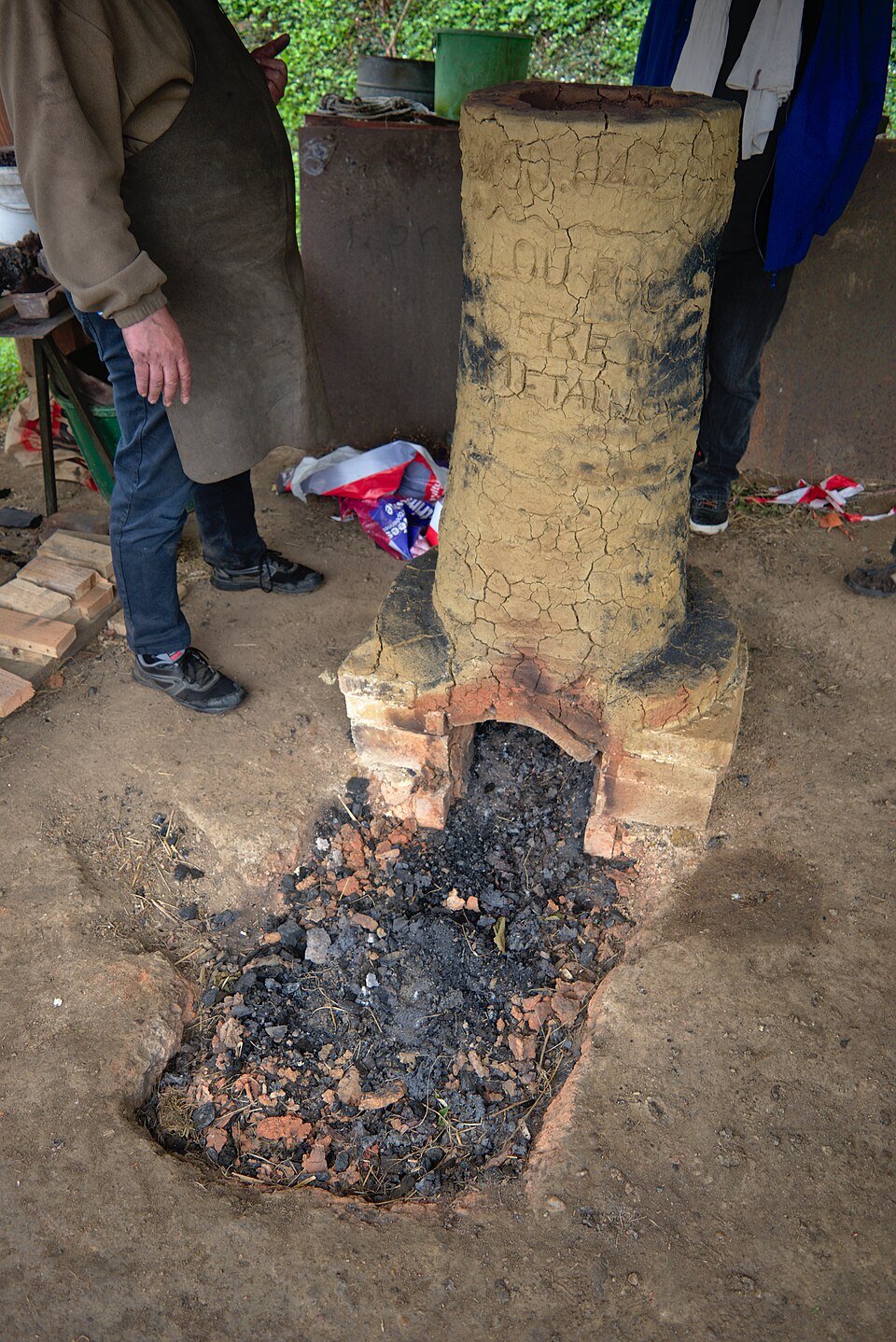
A clay shaft that turns rock into iron — the first machine that makes every other machine possible.
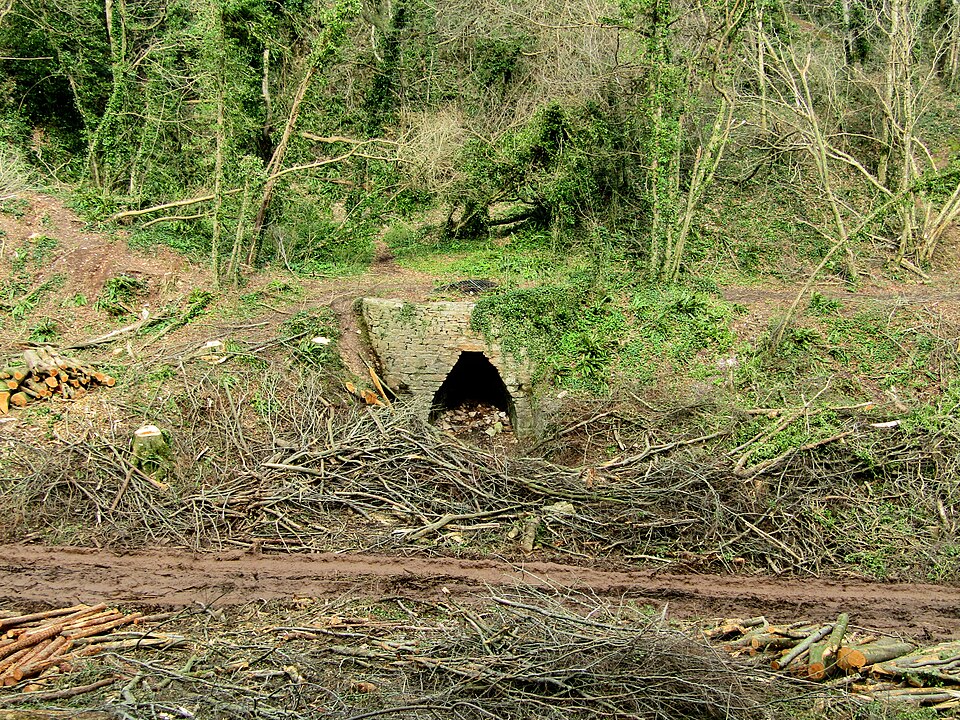
Burn limestone into quicklime — mortar, plaster, whitewash, flux, tannery liquor and soil correction, from one shaft.
Tools & Industry
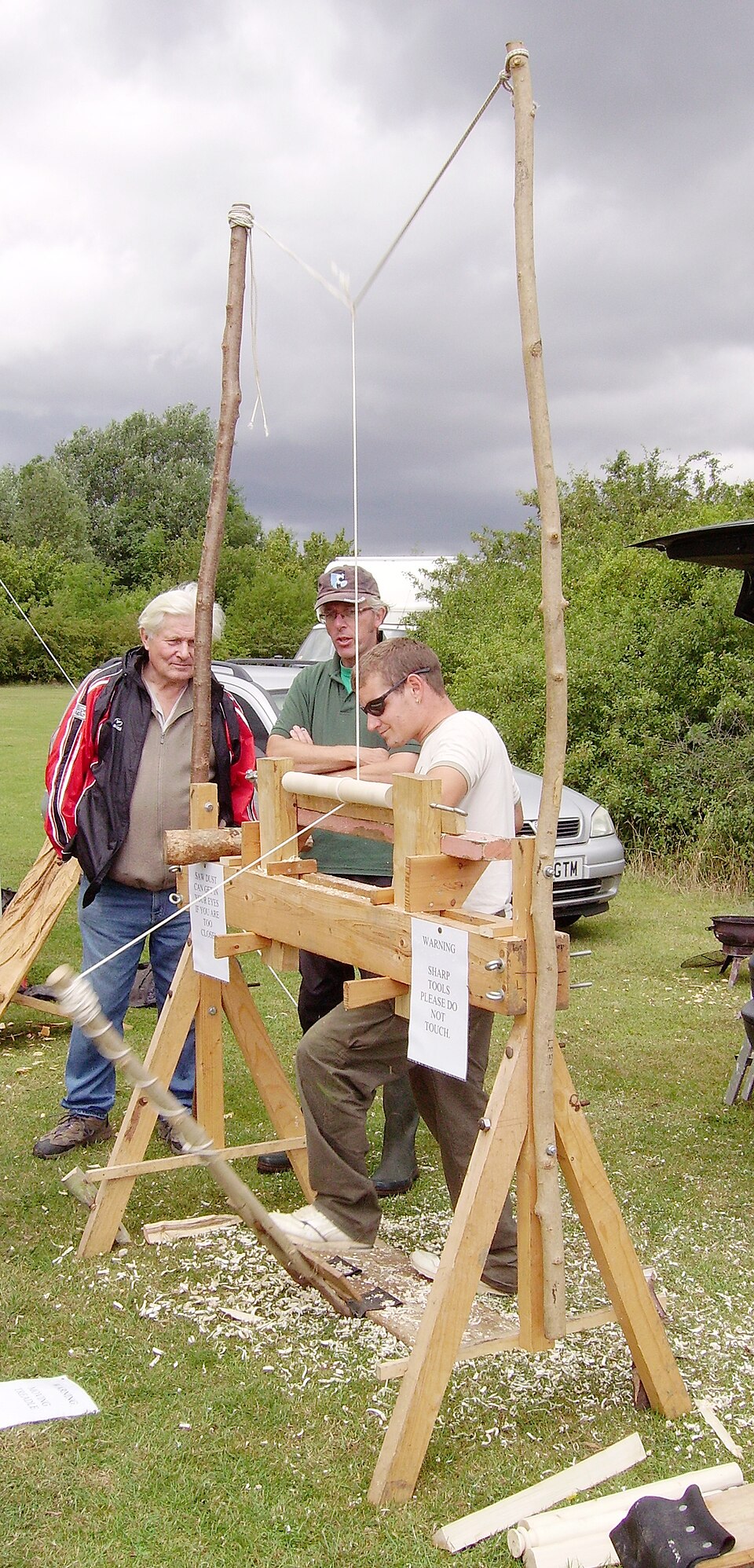
The first machine tool — a sapling, a cord and a treadle, and the direct ancestor of everything in tier 3.
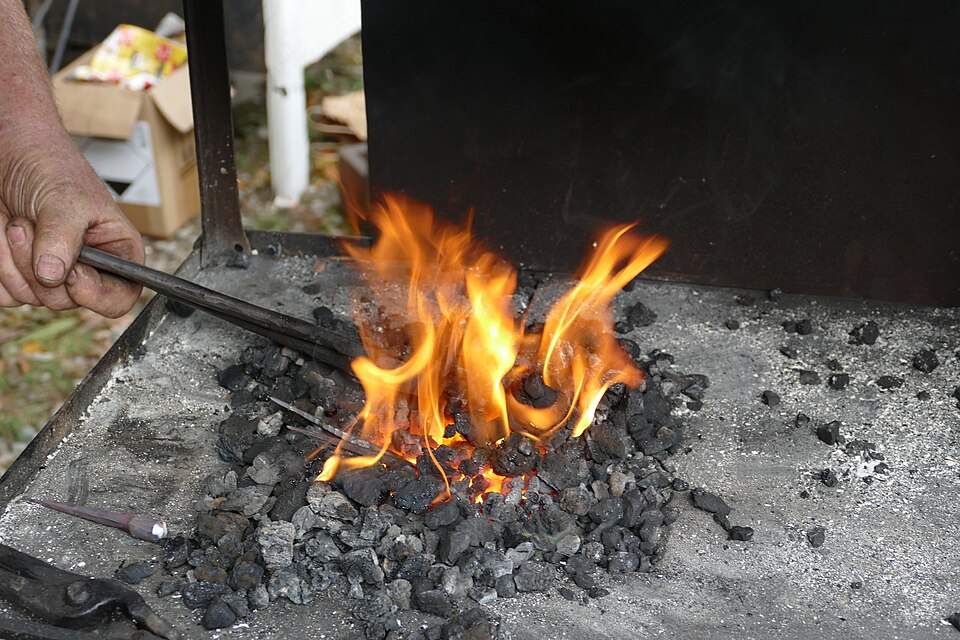
A controlled hot spot you can hold a bar in — the hearth every other trade's tools come out of.
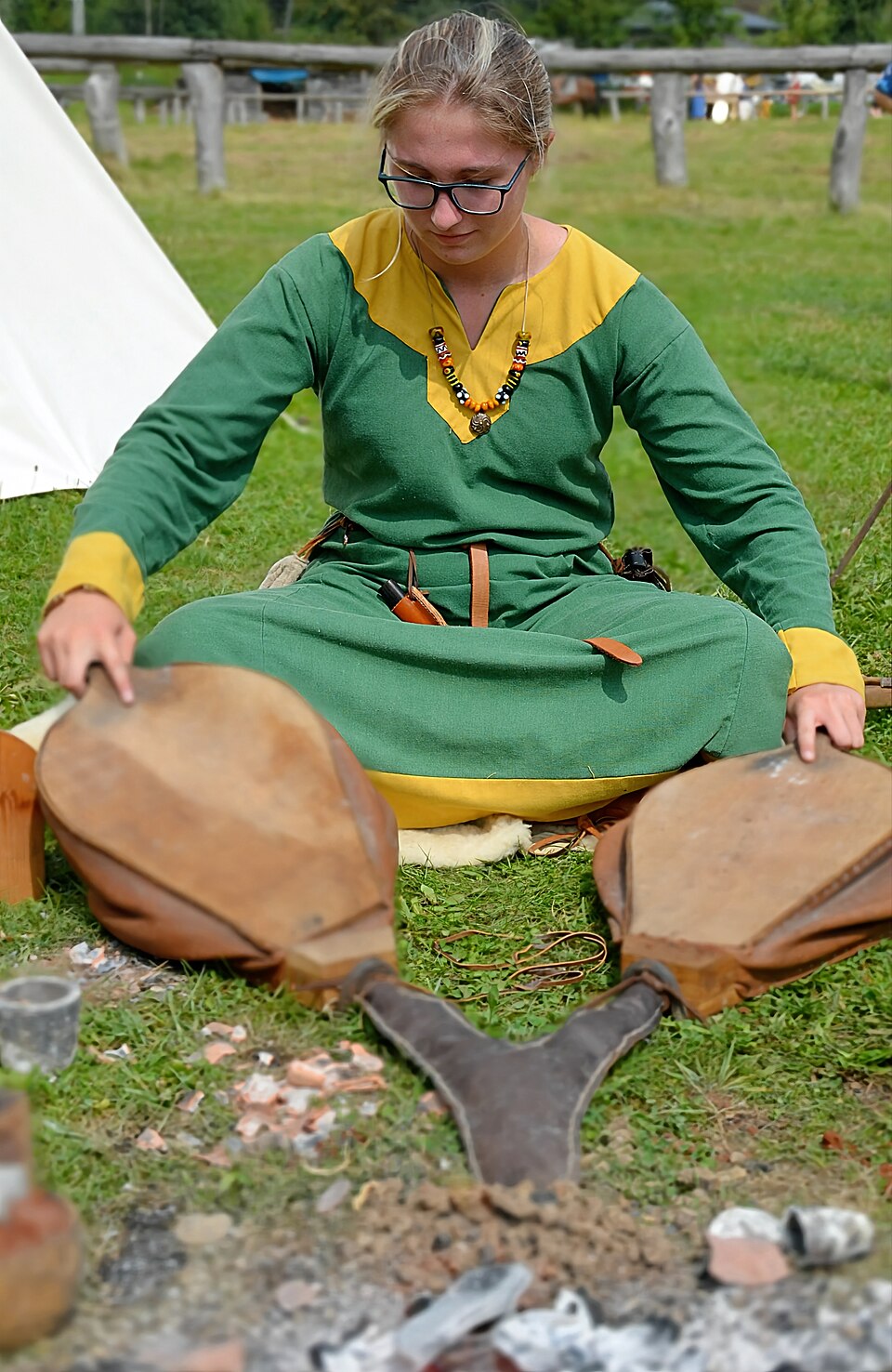
Continuous forced air — the component that decides whether you get metal or roasted rock.
Transport
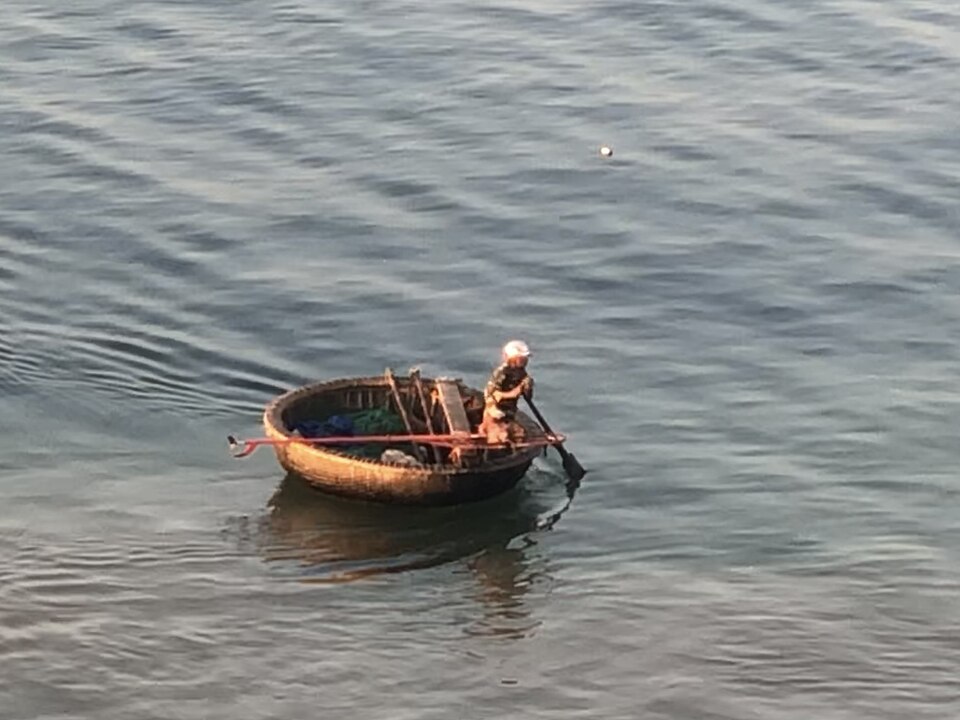
A one-person boat you carry on your back: a woven frame of split laths, a hide or cloth skin, and pitch, built in about two days.
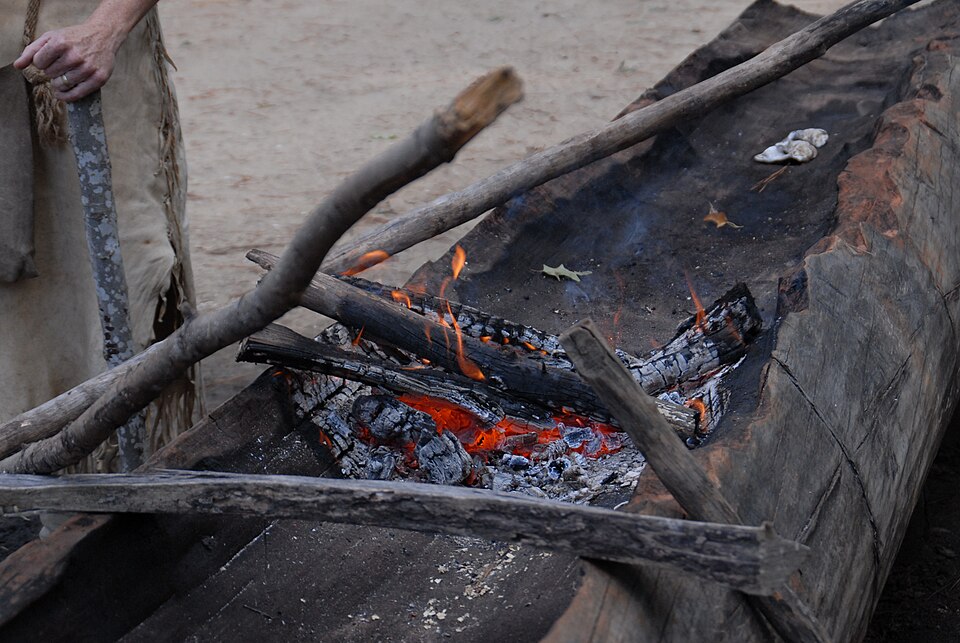
One sound log, fire and an adze: a two-person canoe with walls 2.5 cm thick, and an outrigger float that keeps it upright on open water.
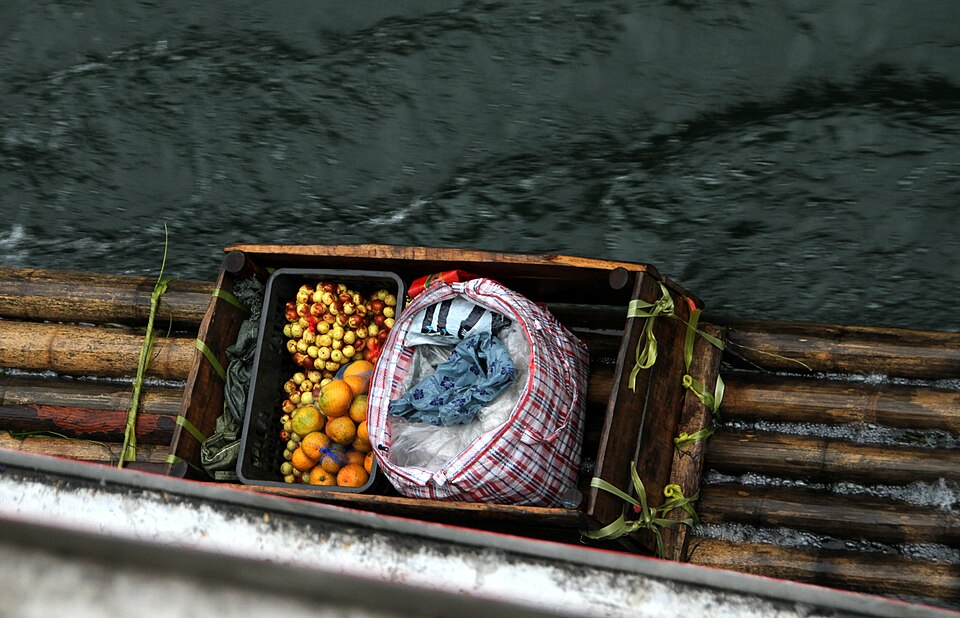
Eight dry logs, six cross-poles and cord: a raft that carries 400 kg across or down calm water, rated by sum and proved by a load test.
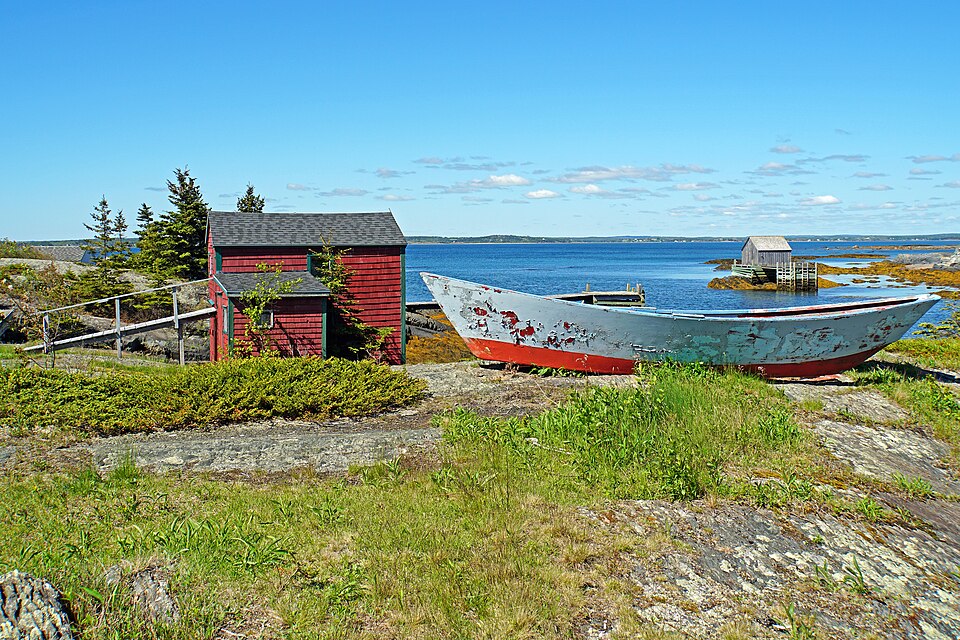
FAO's 4.9 m flat-bottomed boat: straight planks, three frames, a bottom planked across and nailed to a thick lowest plank. The simplest planked boat there is, for four people on sheltered water.
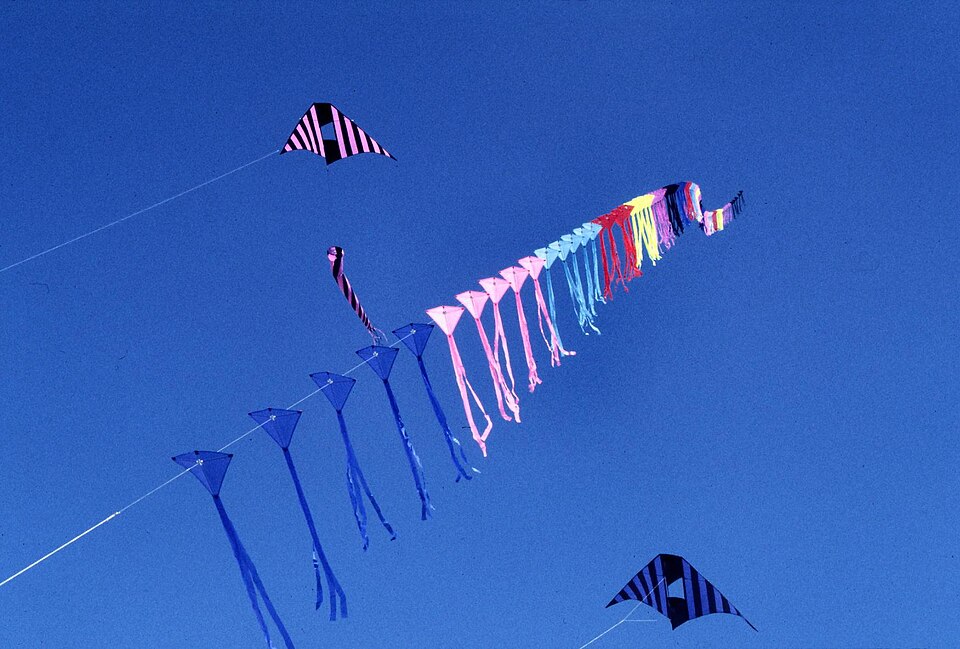
A 1.5 m Eddy kite of spruce and cloth, with a bridle set by rule: steady in light wind, strong enough to carry a line across a river or a gorge.
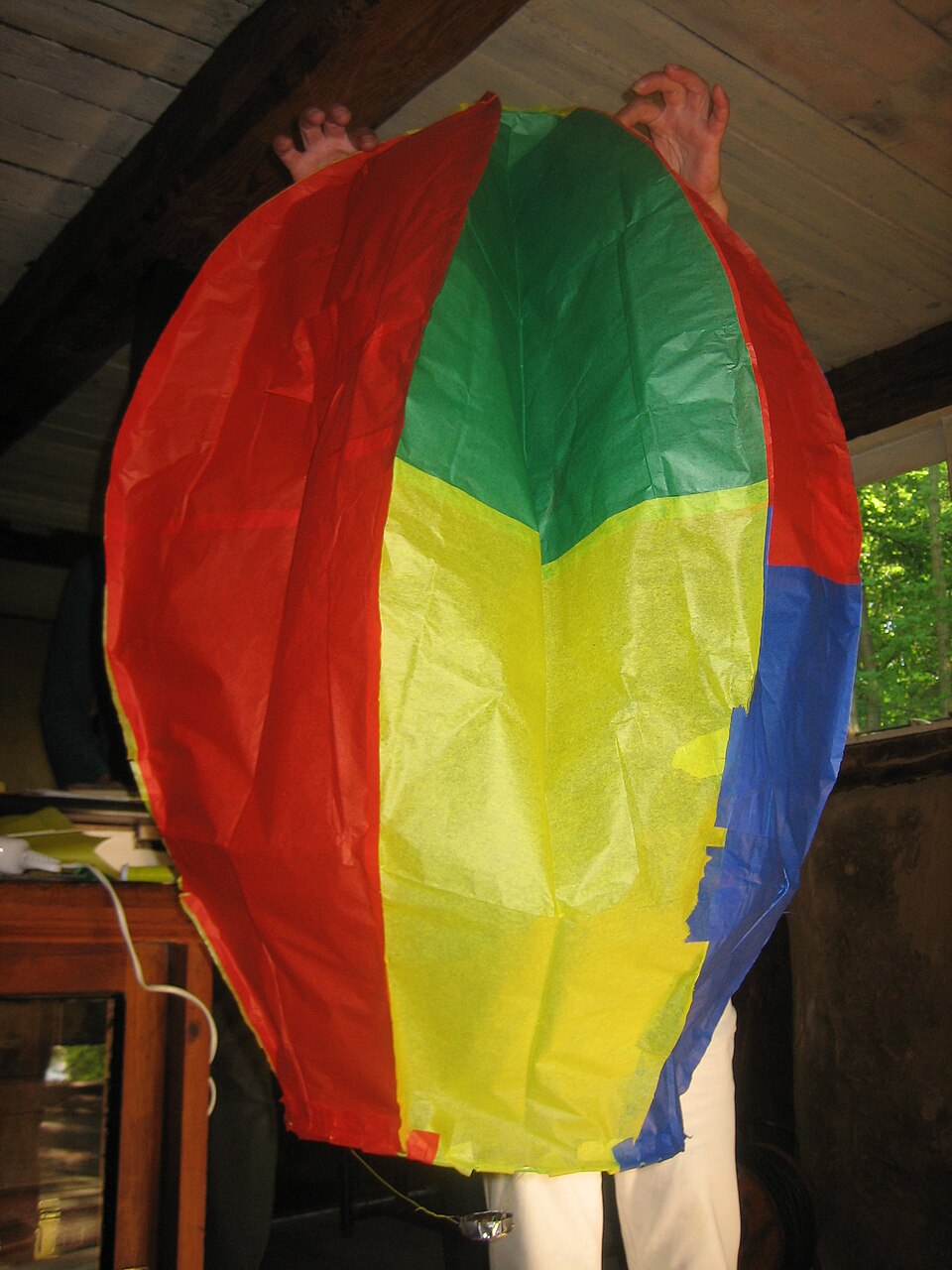
Twelve tissue-paper gores make a 1.5 m balloon that lifts about 250 g over a ground fire and flies on a tether: the Montgolfiers' principle, measured, with no flame in the air.
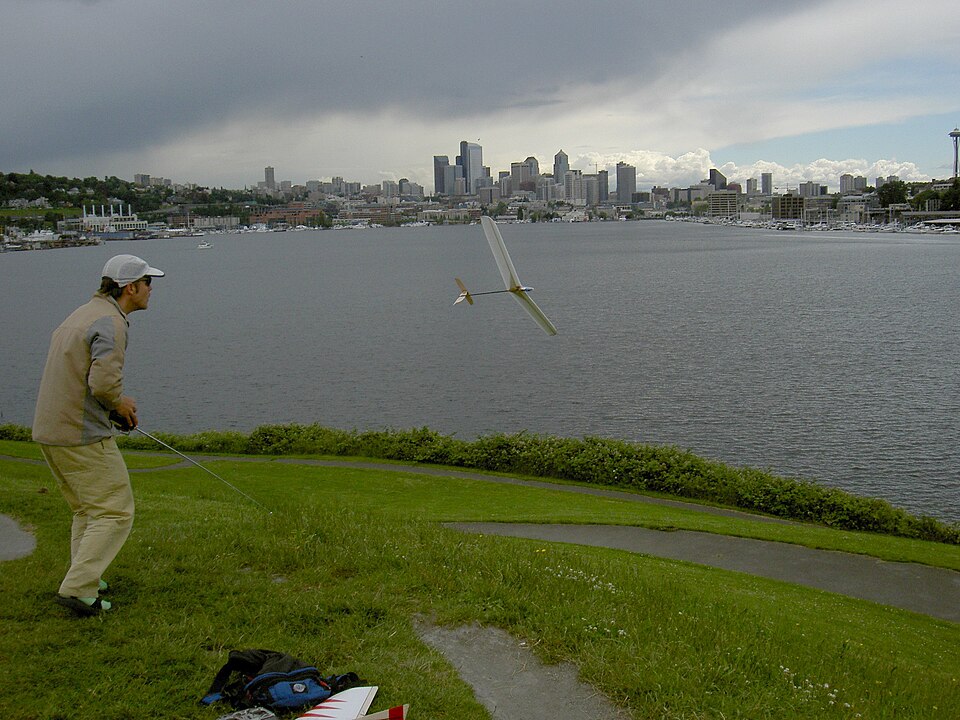
A 60 cm hand-launched glider of thin wood, balanced and trimmed by test: the Wrights' order of work in an afternoon, and the stability every aircraft depends on.
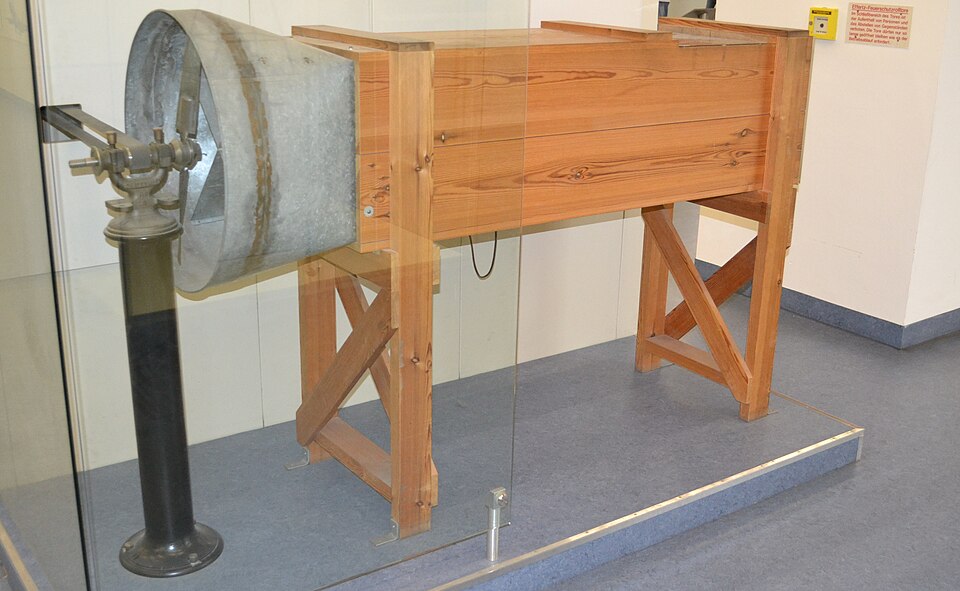
A 41 cm square test section as long as the Wrights' box, a fan that draws air through a honeycomb, and two balances you calibrate yourself: measure a wing before you build it.
Knowledge & Education
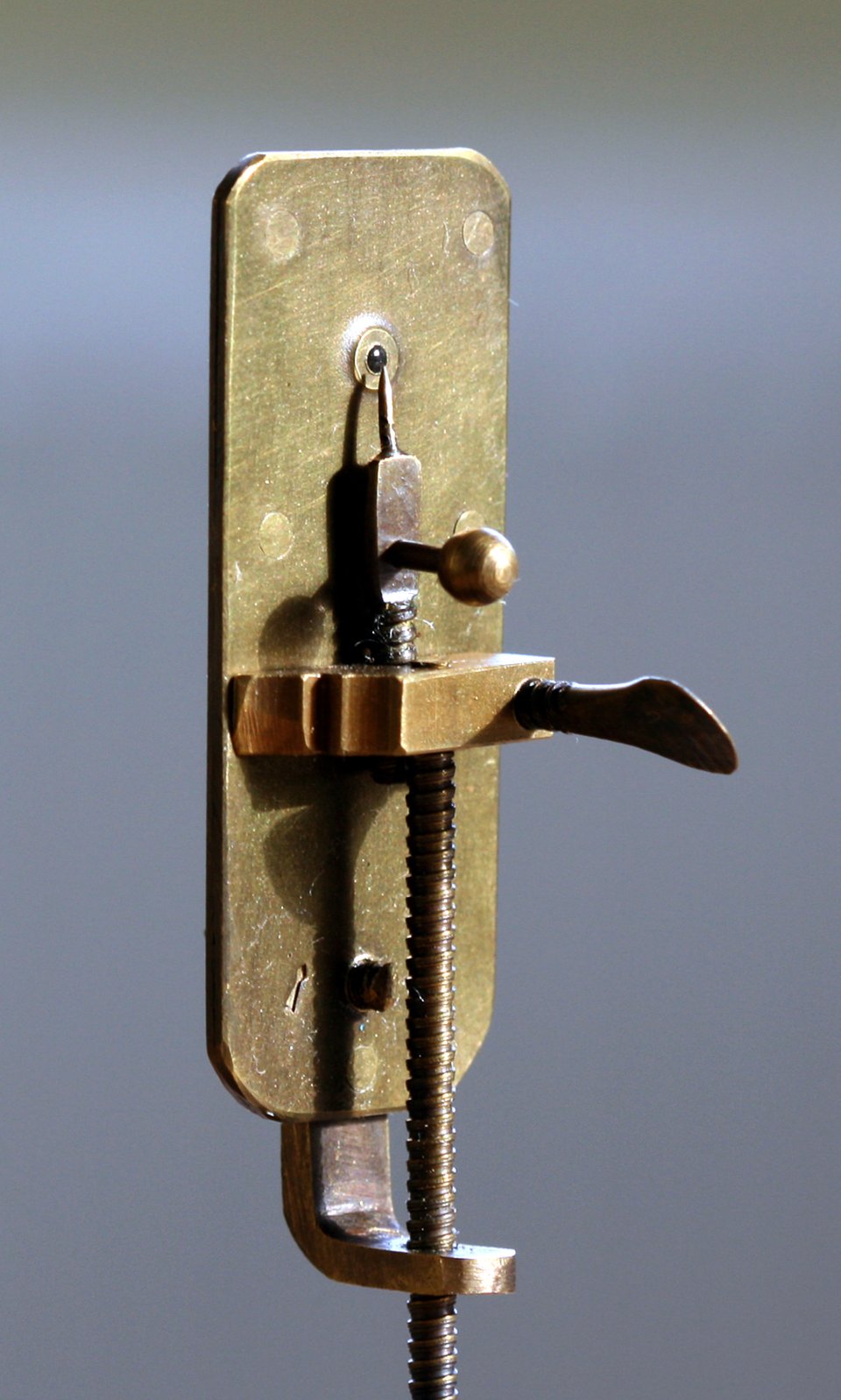
A glass bead the size of a pinhead magnifies 150–350 times: enough to see yeast, blood cells and the larger bacteria that cause disease.
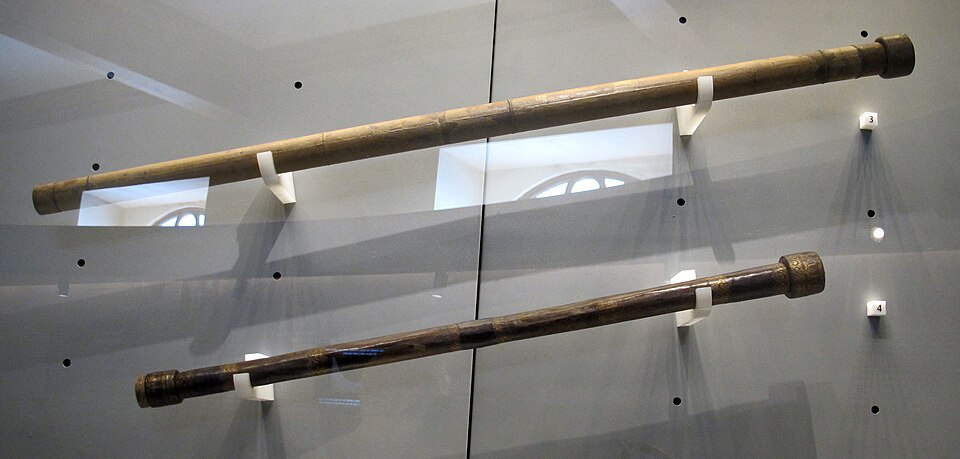
Two lenses in a tube: a 1-metre objective and a 25 mm eyepiece give 40×, enough to see Jupiter's moons and the phases of Venus.